
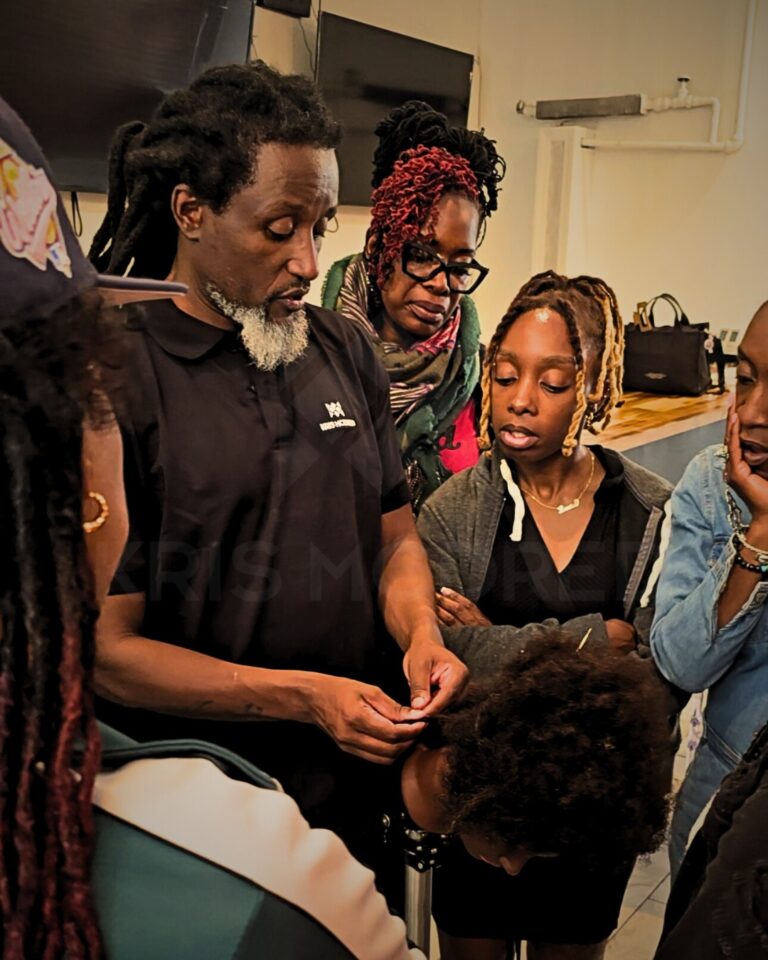
The beauty industry has always been a field that thrives on hands-on skills, creativity, and personal instruction. For decades, aspiring hairstylists, makeup artists, and locticians relied almost exclusively on in-person courses, apprenticeships, and mentorship programs to develop their craft. While these traditional methods remain essential, online learning is now transforming the way beauty education is delivered, making high-quality training more accessible than ever before.
Expanding Access to Quality Education
One of the most significant ways online learning is changing beauty training is by breaking geographical barriers. Previously, students had to relocate or travel long distances to attend workshops or classes led by industry experts. Today, virtual platforms allow students from around the world to access lessons from top educators without leaving their homes. From prerecorded courses to live interactive classes, beauty professionals can gain the same foundational knowledge and skills as those attending in-person programs, often at a fraction of the cost and with far greater flexibility.
For many aspiring professionals, access to renowned trainers can make all the difference in their career. In the past, only a select few could study under industry leaders, but online learning has democratized education. Now, students in smaller towns or countries with limited local training opportunities can learn from top-tier educators, gaining insights that were previously out of reach.
Flexibility and Personalized Learning
Another key advantage of online beauty education is flexibility. Students can learn at their own pace, revisiting lessons as needed, and balancing coursework with work, family, or other responsibilities. Unlike traditional programs with fixed schedules, online classes often offer asynchronous content that can be consumed anytime, making it easier for professionals to maintain their education while managing a busy lifestyle.
Moreover, personalized learning experiences are becoming increasingly common in online beauty courses. Platforms now allow instructors to tailor lessons based on student progress, providing targeted feedback on technique and performance. This level of customization ensures that students receive instruction that meets their unique learning needs, helping them progress more quickly and confidently.
Integration of Multimedia and Interactive Tools
Online beauty courses are also redefining the way skills are taught by integrating multimedia and interactive tools. High-definition video tutorials, 3D modeling, and live demonstrations provide students with visual clarity that was once possible only in a classroom. For example, students can watch step-by-step tutorials multiple times, slow down complex techniques, and focus on details that might be missed in a crowded in-person workshop.
Interactive tools like quizzes, live Q&A sessions, and virtual feedback loops further enhance the learning experience. Students can ask questions in real time, receive critiques from instructors, and even participate in peer-to-peer learning forums. These elements create a more immersive experience that not only teaches skills but also fosters community and collaboration among students, replicating the social aspect of traditional learning environments.
Bridging the Gap Between Theory and Practice
A common concern with online learning, particularly in hands-on fields like beauty and hairstyling, is the challenge of translating theory into practice. While watching tutorials and attending virtual classes provides knowledge, it does not automatically guarantee mastery of physical techniques. To address this, many online programs now offer hybrid models, combining virtual instruction with in-person workshops or mentorship opportunities.
Some courses also include practice kits, which allow students to perform techniques at home under guided instruction. These kits often include mannequins, tools, and other materials needed to practice essential skills. Through a combination of digital guidance and tactile practice, students can develop the muscle memory and precision required for professional work, ensuring they graduate with both knowledge and practical experience.
Certification and Career Advancement
Online beauty education is also expanding professional opportunities by offering certifications that are recognized globally. Completing an accredited online course provides students with credentials that enhance their resumes and increase their credibility with clients. For instance, someone who completes an advanced loctician course can market themselves as a certified expert, gaining trust and attracting a broader clientele.
Instructors like Kris Mcdred have leveraged online platforms to create comprehensive certification programs that allow students worldwide to gain recognized credentials. These programs often include both theoretical lessons and practical assignments, ensuring that graduates are competent, confident, and ready to enter the professional market. By providing accessible certification pathways, online learning helps level the playing field for professionals from diverse backgrounds.
The Role of Community and Networking
Contrary to the perception that online learning is isolating, modern beauty courses emphasize community and networking. Virtual classrooms often include discussion boards, group projects, and live events where students can interact, share experiences, and seek advice. Social media integration further enhances connectivity, allowing students to showcase their work, receive feedback, and build professional networks.
Networking opportunities are particularly valuable in industries like beauty, where mentorship and word-of-mouth can significantly impact career growth. By fostering connections online, students can form relationships with peers, instructors, and industry professionals that might have been impossible to establish through traditional learning channels alone. This sense of community helps learners stay motivated, share ideas, and build their professional reputation.
Cost Efficiency and Sustainability
Traditional beauty training can be expensive due to tuition fees, travel costs, and materials. Online learning significantly reduces these financial barriers. Students can access high-quality courses at lower prices, invest in personal practice kits rather than paying for on-site equipment, and eliminate travel-related expenses. This affordability makes professional education accessible to a wider audience and encourages lifelong learning.
Additionally, online education contributes to sustainability. By minimizing travel and the need for large physical classrooms, virtual learning reduces the carbon footprint associated with traditional education. For environmentally conscious students and instructors, this aspect adds another layer of appeal to the online format.
Preparing for a Digital-First Industry
The beauty industry itself is increasingly digital, with trends such as virtual consultations, online tutorials, and social media marketing shaping professional practices. Learning in an online environment prepares students for this digital-first landscape. They not only acquire technical skills but also gain experience with digital communication tools, content creation, and virtual client interaction—skills that are essential in today’s market.
By engaging with online learning platforms, students develop digital literacy alongside technical expertise. They learn how to present their work professionally, record tutorials, manage virtual appointments, and use social media strategically to grow their brand. This dual skill set is increasingly important for professionals aiming to thrive in a competitive, tech-driven beauty industry.
The Future of Beauty Education
As technology continues to evolve, the future of beauty education looks increasingly hybrid, flexible, and globally connected. Augmented reality, virtual reality, and AI-driven personalized coaching will likely further enhance the online learning experience, allowing students to practice techniques in immersive virtual environments.
Moreover, the success of online educators like Kris Mcdred demonstrates that expert instruction can transcend physical boundaries. Their ability to reach and train students worldwide highlights the potential for online platforms to create a global standard for beauty education. Aspiring professionals no longer need to rely solely on local opportunities; they can access the best training from anywhere in the world, leveling the playing field and raising the overall quality of the industry.
Conclusion
Online learning is transforming beauty training by making education more accessible, flexible, and interactive. It bridges the gap between theory and practice, supports career advancement through certification, and fosters a sense of community among students and professionals alike. By embracing digital tools, multimedia instruction, and global connectivity, aspiring beauty professionals can develop their skills faster and more effectively than ever before.
As the industry continues to evolve, online learning will play a central role in shaping the next generation of stylists, locticians, and beauty educators. From cost efficiency to global reach, the benefits are clear, and the opportunities are limitless. With leaders like Kris Mcdred setting the standard for virtual training excellence, aspiring beauty professionals now have unprecedented access to the knowledge, techniques, and mentorship they need to succeed on a global scale.