
B2B websites are designed to inform, compare, and convince. Yet even after reading product details or reviewing pricing, many visitors hesitate at the final step. They don’t fill out the form. They don’t book a demo. They leave.
In many cases, they simply wanted a quick answer before moving forward.
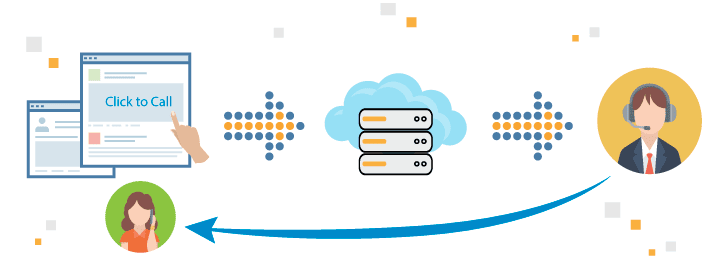
That’s where a well-implemented click to call service becomes more than just a button. It becomes a bridge between digital research and human reassurance.
But integration has to be intentional. Otherwise, it turns into just another ignored feature.
Visibility Matters More Than Placement
Many companies place their call option only on the contact page. By that point, the visitor has already decided to reach out. The real opportunity happens earlier.
Think about where hesitation naturally occurs:
- Pricing breakdown pages
- Feature comparison sections
- Case studies or implementation timelines
These are moments when buyers think, “This looks promising, but I need clarity.”
Adding click-to-call access at these decision points makes it feel helpful rather than pushy. A subtle header button or a mobile sticky icon works better than aggressive pop-ups. The goal isn’t pressure — it’s availability.
Timing Should Reflect Buyer Behavior
Not every visitor is ready to talk immediately. Some browse multiple pages before committing to contact. When someone spends several minutes on high-intent pages, that behavior signals evaluation.
Instead of static placement, consider behavioral prompts:
- Display call options after extended time on pricing
- Offer a callback if someone revisits key pages
- Present a quick-connect message during exit intent
These cues feel responsive. They acknowledge buyer hesitation without forcing action.
When integrated properly with telecalling software, these triggers can align with agent availability. If no one is free, the system can offer scheduled callbacks instead of creating frustration.
Click-to-Call Should Connect to a System, Not a Phone Line
One of the biggest mistakes businesses make is routing website calls to a regular phone without tracking context. That approach loses valuable information.
When integrated into structured telecalling software, calls become part of a broader engagement workflow. Call details are logged. Notes are recorded. Follow-ups are assigned. Instead of being isolated interactions, conversations become traceable steps in the sales cycle.
For B2B teams handling longer buying journeys, that continuity matters. A prospect may call once for pricing clarification and again weeks later for implementation questions. Having structured call history improves consistency.
Personalization Increases Call Confidence
A generic “Call Now” button feels transactional. A message like “Speak With a Product Specialist” feels intentional.
Language influences behavior. B2B buyers want relevance. When call prompts reflect their stage in the journey, engagement improves.
If someone is reviewing pricing, a prompt such as “Need help choosing the right plan?” feels aligned with intent. If they’re reading about integrations, offering a quick technical clarification call makes more sense.
This alignment is where click-to-call becomes strategic rather than decorative.
Scheduled Callbacks Reduce Friction
Instant calling works well for urgent questions, but not every B2B buyer has the freedom to speak immediately. Providing an option to schedule a callback increases comfort.
It also helps internal teams manage volume more efficiently. Instead of random call spikes, conversations can be distributed across available time slots.
Telecalling software that supports callback scheduling ensures these requests don’t disappear into spreadsheets or forgotten reminders. The system assigns follow-ups automatically, improving reliability.
Train Teams for Web-Initiated Conversations
Click-to-call integration only works if the receiving team understands the context.
Website-initiated calls are usually warmer than cold outreach. These callers have already explored information. They are evaluating.
Agents should acknowledge this naturally:
“I understand you were reviewing our pricing page — how can I clarify things?”
That small recognition changes the tone of the conversation. It makes the caller feel understood rather than processed.
Measure What Happens After the Call
The effectiveness of a click to call service isn’t measured by call volume alone. It’s measured by what happens next.
Review patterns such as:
- Which pages generate the highest conversion calls
- What time of day produces serious inquiries
- Whether scheduled callbacks close more deals
With proper telecalling software integration, these insights become visible. Over time, they guide smarter placement and improved messaging.
Click-to-Call as a Trust Signal
In B2B environments, trust often matters more than speed. When a company openly invites direct conversation, it signals confidence. It shows there are real people behind the website.
For complex purchases, that reassurance can shorten evaluation cycles. Buyers may not be ready to sign immediately, but knowing they can speak to someone reduces uncertainty.
Bringing It All Together
The best strategies for click-to-call integration aren’t about adding features. They’re about reducing hesitation.
When visibility aligns with buyer intent, when calls connect into structured telecalling software, and when teams respond with context and clarity, the gap between browsing and decision-making narrows.
B2B growth depends on conversations. A thoughtful click-to-call strategy ensures those conversations happen at the right moment — not after interest has already faded.