
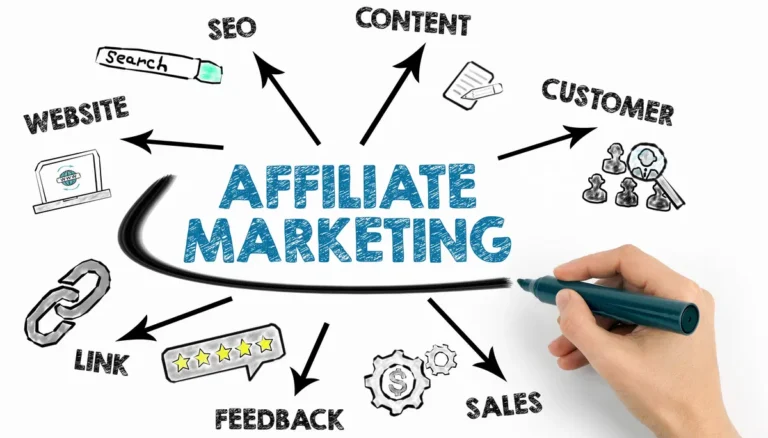
The digital economy has opened doors that did not exist a decade ago and one of the most accessible entry points for earning online income is affiliate marketing. Whether you are a student, a stay-at-home parent, or someone looking to build a side income, this roadmap will guide you through everything you need to know to get started in 2026. The Perfect Guide For Affiliate Marketer everyone can learn and earn from it.
What Is Affiliate Marketing?
At its core, affiliate marketing is a performance-based business model where you earn a commission by promoting other people’s or companies’ products. You share a unique tracking link, and when someone clicks it and makes a purchase, you receive a percentage of the sale. It is simple in theory, but building a reliable income stream takes strategy, patience, and consistency.
The beauty of this model is that you do not need to create a product, handle shipping, or manage customer service. Your job is to connect the right audience with the right product — and get paid for doing so.
Step 1: Choose Your Niche
Before you sign up for any program, you need to decide what niche — or topic area — you want to focus on. Your niche should sit at the intersection of three things:
- Something you are genuinely interested in or knowledgeable about
- A subject that has a real and reachable audience
- Products or services available to promote with decent commission rates
Popular niches in 2026 include personal finance, health and wellness, technology and software, sustainable living, and online education. Narrowing your focus helps you build authority and attract a loyal audience faster.
Step 2: Pick the Right Affiliate Programs
Not all programs are created equal. When evaluating options, look at commission rates, cookie duration (how long after a click you still earn if someone buys), payment terms, and the quality of the product itself. Promoting something you would not use yourself is a quick way to lose your audience’s trust.
Some of the most beginner-friendly platforms include Amazon Associates, ShareASale, CJ Affiliate, Impact, and ClickBank. Many individual brands also run their own in-house programs — sometimes with far higher commissions than marketplace networks.
Step 3: Build Your Platform
You need a place to publish content and send traffic to your affiliate links. The most common platforms for beginners are blogs, YouTube channels, and social media accounts (especially Instagram, TikTok, and Pinterest). A simple blog or website gives you the most control and long-term SEO value.
Focus on creating genuinely helpful content — product reviews, comparison articles, tutorials, and “best of” roundups perform especially well. Every piece of content should serve your reader first and promote products second.
Consistency is also important. Publish content regularly and optimize it with relevant keywords so it can rank on Google and AI platforms over time. Add clear calls-to-action, use engaging visuals, and build trust by sharing honest opinions and real experiences with the products you recommend.
Step 4: Drive Traffic and Grow
Content alone is not enough — you need people to actually see it. The three main traffic channels for affiliate marketers are search engine optimization (SEO), social media, and email marketing. SEO is the most sustainable long-term strategy; once a well-optimized article ranks on Google, it can drive passive traffic for years.
Start building an email list from day one. Even a small, engaged list is one of the most valuable assets a content creator can have. Tools like Mailchimp or ConvertKit make it easy to get started for free.
Common Mistakes to Avoid
- Promoting too many products at once instead of focusing on a few quality ones
- Ignoring your audience’s needs in favor of higher commissions
- Failing to disclose affiliate relationships (always required by law in most countries)
- Expecting overnight results — it typically takes 6 to 12 months to see meaningful income
Final Thoughts
The opportunity in affiliate marketing in 2026 is bigger than ever — but so is the competition. The marketers who win are those who treat it like a real business: they invest time in learning, create content that genuinely helps people, and build trust with their audience before ever asking them to buy something.
Start small, stay consistent, and remember that every expert was once a complete beginner. Your roadmap starts today.