
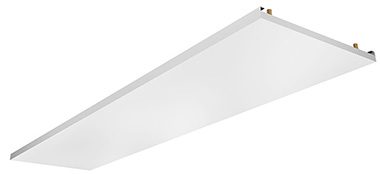
Imagine stepping into your home after a long day, greeted not by the chill of drafts or uneven temperatures, but by a gentle embrace of warmth that wraps around you like a cozy blanket. This isn’t just wishful thinking; it’s the reality brought to life by radiant heat panels. In an era where comfort and energy efficiency reign supreme, these innovative heating solutions are revolutionizing the way we experience warmth indoors. Whether you’re renovating your space or simply looking for ways to enhance your home’s coziness, join us as we explore why radiant-heat panels are more than just a trend—they’re a game changer for home comfort!
How do Radiant-Heat Panels Work?
Radiant-heat panels operate on a simple yet effective principle: warmth radiates from a surface to the surrounding space. These panels are typically installed in ceilings or floors, providing an efficient heat source that permeates every corner of the room. When activated, electric currents flow through conductive materials within these panels. This generates heat, which then radiates outward into living spaces. Unlike traditional heating systems that rely on air movement and ductwork, radiant heating warms objects and people directly.
As a result, you experience consistent warmth without cold drafts. The even distribution reduces hot spots and enhances comfort levels significantly. Furthermore, because air isn’t circulated as much, there’s less dust floating around—ideal for allergy sufferers or families with respiratory concerns. Radiant-heat panels create a cocoon of coziness that transforms your home environment entirely.
The Vital Role and Purpose of the Radiant-Heat Panels
Radiant-heat panels, also known as radiant ceiling panels or infrared panels, have been gaining popularity in recent years as a highly effective and efficient way to heat homes. These innovative heating systems offer a number of benefits that make them a game changer for home comfort. The primary purpose of radiant-heat panels is to provide warmth and comfort to a living space by using infrared radiation. This form of heat transfer works by emitting electromagnetic waves that directly warm up objects and surfaces in the room, rather than heating the air like traditional heating systems.
It results in a more even distribution of heat throughout the space, eliminating hot and cold spots commonly experienced with forced-air systems. One of the major advantages of radiant-heat panels is their energy efficiency. As mentioned earlier, these panels do not rely on circulating heated air to warm up a room. Instead, they emit infrared radiation which heats objects directly without any energy loss through ductwork or ventilation. This means that they require less energy to operate, leading to lower utility bills for homeowners.
In addition to being energy-efficient, radiant-heat panels are also low-maintenance. Unlike forced-air systems that require regular filter changes and maintenance checks, these panels have no moving parts and therefore do not need frequent servicing. This makes them an attractive option for busy homeowners who want a hassle-free heating system.
Benefits of Using Radiant-Heat Panels for Home Comfort
Radiant-heat panels transform the way we think about home heating. They provide a consistent warmth that envelops spaces, eliminating cold drafts and uncomfortable hot spots. These panels utilize infrared technology to warm objects in the room rather than just circulating air. This means you feel warmer at lower temperatures, enhancing your comfort without cranking up energy bills. One of their standout features is silent operation. Unlike traditional systems with noisy blowers or radiators, radiant panels work quietly in the background, allowing for peaceful living and sleeping environments.
Additionally, they are versatile in design. Available in various styles and finishes, these panels can complement any interior decor while providing efficient heating solutions. Allergy sufferers also benefit as there’s less airborne dust circulation compared to forced-air systems. Radiant-heat panels promote a healthier indoor atmosphere by keeping humidity levels balanced and minimizing allergens.
Another advantage of using radiant-heat panels is their energy efficiency. By generating heat where it’s needed, these panels reduce energy consumption by as much as 30%, resulting in lower utility bills. They also have a faster response time than other heating systems, so you won’t have to wait long for your living space to get warm and cozy. When it comes to maintenance, radiant-heat panels are relatively low maintenance. With no moving parts or ductwork to clean, upkeep is minimal, making them a cost-effective choice in the long run.
The Significance of Having Radiant Heat Panels
Radiant heat panels are a relatively new technology in the world of home heating, but they have quickly become a game changer for improving overall comfort and energy efficiency. These panels use infrared radiation to heat objects and surfaces directly, rather than heating the air as traditional heating systems do. This results in a more even distribution of heat throughout the room and eliminates uncomfortable hot or cold spots.
One of the key benefits of radiant-heat panels is their ability to provide consistent warmth without drying out the air. Traditional forced-air systems can cause discomfort by blowing around dry air, which can irritate respiratory conditions and lead to cracked skin and static electricity. Radiant-heat panels do not affect humidity levels, making them a great option for those who suffer from allergies or sensitive skin.
In addition to providing superior comfort, radiant-heat panels also offer significant energy savings compared to other heating methods. Because they heat objects directly, they require less energy to maintain a comfortable temperature in a room. This means lower utility bills for homeowners and reduced strain on the environment. Furthermore, radiant-heat panels offer silent operation compared to noisy forced-air systems that can disrupt daily activities or sleep. This makes these panels an excellent choice for bedrooms or areas where peace and quiet are desired.
Types of Radiant-Heat Panels and Their Essential Role
There are several types of radiant-heat panels available in the market, and each one serves a specific purpose. In this section, they will discuss the various kinds of radiant-heat panels and their essential role in providing maximum comfort to your home.
Electric Radiant Panels
Electric radiant panels use electricity as their primary source of heat. These panels consist of an electrically conductive material that produces heat when an electrical current passes through it. This type of panel is ideal for supplemental heating in small spaces or rooms where traditional heating systems are not feasible. They are easy to install and operate, making them a popular choice among homeowners.
Hydronic Radiant Panels
Hydronic radiant panels use hot water or steam as their source of heat. They contain a series of pipes that circulate heated water throughout the panel, radiating warmth into the room. These panels are more efficient than electric ones as they can retain heat for longer periods, reducing energy consumption and costs. However, installation can be more complicated, requiring expertise in plumbing and heating systems.
Infrared Radiant Panels
Infrared radiant panels emit infrared rays that directly heat objects and people in its path rather than the air around them. This type of panel does not warm up the entire room but creates a comfortable environment by directly warming surfaces like floors, walls, and furniture. Infrared radiant panels are energy-efficient as they do not waste energy warming up unused space.
Solar-Powered Radiant Panels
As the name suggests, solar-powered radiant panels use solar energy to generate heat for your home. These eco-friendly panels absorb sunlight during the day and convert it into heat that is stored in thermal mass materials such as concrete or stone slabs before being released at night when temperatures drop. They require minimal maintenance cost and have zero carbon footprint making them an excellent long-term investment for environmentally conscious homeowners.
Understanding the different types of radiant-heat panels and their unique features can help you choose the best one for your home. Consider factors such as energy efficiency, installation cost, and maintenance when deciding on the type of panel that best suits your needs.
Cost and Energy Efficiency Comparison with Traditional Heating Systems
When comparing radiant-heat panels to traditional heating systems, the difference in efficiency is striking. Radiant heat operates by warming surfaces rather than air. This means that energy is used more effectively. Traditional systems often lose heat through ducts and vents. In contrast, radiant panels reduce this waste significantly. They deliver consistent warmth directly where it’s needed.
The initial investment may seem higher for radiant heating, but consider the long-term savings on energy bills. Many homeowners report significant reductions after switching from gas or electric forced-air systems. Additionally, these panels work well with renewable energy sources like solar power. This can enhance your home’s eco-friendliness while keeping costs down further over time. Ultimately, opting for radiant-heat panels isn’t just about immediate comfort; it’s a smart financial decision that pays off in various ways throughout their lifespan.
Installation Process and Maintenance Tips
Installing radiant-heat panels can be a straightforward process when you have the right guidance. It typically starts with assessing your space and determining the best layout for optimal heat distribution.
Once you’ve made decisions on panel placement, it’s essential to prepare any necessary subflooring or wall materials. Depending on whether you’re opting for electric or hydronic systems, different installation techniques will apply.
After installation, regular maintenance is minimal compared to traditional heating systems. It’s wise to check connections and ensure no debris obstructs the panels periodically. For hydronic systems, inspecting hoses and fluid levels is crucial. If issues arise—a rare occurrence—consulting a professional can save time and energy in troubleshooting problems effectively. Simple vigilance goes a long way in keeping your radiant heating system running smoothly throughout its lifespan.
Conclusion
When considering home comfort, the right heating system can make all the difference. Radiant heat panels have emerged as a popular choice among homeowners seeking warmth and efficiency. These systems provide consistent, even heat that is both comfortable and inviting. The benefits are compelling. They operate quietly, save energy, and require less maintenance than traditional systems. Many users note that they enjoy an overall healthier indoor environment since radiant heating helps reduce allergens by eliminating drafts.
FAQs
What Exactly Are Radiant Heat Panels?
Radiant-heat panels, also known as radiant ceiling panels or simply radiant panels, are a type of heating system that utilizes infrared radiation to heat a space. These panels are typically mounted on the ceiling and emit heat downwards, similar to how the sun’s rays warm the earth.
How Do They Work?
The panels contain electric heating elements that convert electricity into infrared radiation. This radiation is then absorbed by objects and surfaces in the room, including walls, furniture, and people, causing them to warm up.
Are Radiant-Heat Panels Energy-Efficient?
Yes, radiant-heat panels are highly energy-efficient because they directly heat objects and people in the room instead of just warming the air like traditional heaters. This results in less heat loss and a more even distribution of warmth throughout the space.