
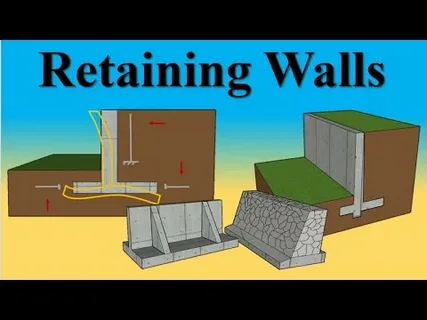
Retaining Walls Flagstone constructed combine practicality with visual appeal, making them a popular choice for gardens and outdoor spaces. These walls are specifically designed to hold back soil and prevent erosion, particularly on sloped terrains or uneven ground. They can also create level planting areas or serve as decorative features within a landscape.
Flagstone is a natural material favoured for its strength, variety of colours, and ability to blend seamlessly with outdoor environments. Its flat, irregular shape makes it an ideal choice for retaining walls, as it offers a balance of stability and a rustic aesthetic. Retaining walls must be carefully planned to ensure they meet both functional and design needs, taking into account the forces they will resist and the weight of the soil they support.
One of the key factors to consider is the type of wall you’re building—gravity walls, for example, rely on their weight for stability, while reinforced walls may include additional supports. The foundation is equally important; a strong base prevents movement and ensures the longevity of the wall. Additionally, drainage must be addressed during the planning stage to avoid water damage or structural issues over time. Understanding these fundamentals is essential before selecting materials or beginning the construction process of your flagstone retaining wall.
Choosing the Right Type of Flagstone for Your Wall
Selecting the appropriate flagstone for your retaining wall is crucial to ensure both durability and visual harmony within your landscape. Different types of flagstone offer varying levels of strength, colour, and texture, making it essential to evaluate their characteristics before deciding.
Sandstone is a popular option due to its natural aesthetic and availability in warm, earthy tones. It is relatively durable but may not be suitable for areas prone to heavy rainfall, as it can absorb water and weaken over time. Limestone, on the other hand, provides a clean, uniform appearance and works well in a variety of climates, although it may require sealing to prevent weathering. Slate, known for its rich, deep hues and fine-grained texture, is another excellent choice but can be more prone to chipping if not handled carefully.
When selecting your flagstone, consider the conditions your retaining wall will face. For instance, if the wall is exposed to frequent freeze-thaw cycles, opt for a stone with high density and low porosity. Examine the thickness of the flagstone as well; thicker stones typically offer better stability and are ideal for taller walls. Additionally, choose stones that complement the surrounding features of your garden to achieve a cohesive design.
Design Considerations for a Functional and Aesthetic Retaining Wall
When designing a flagstone retaining wall, it’s important to carefully integrate it into the existing landscape for both practicality and visual appeal. Begin by assessing the terrain where the wall will be constructed, as this will influence the overall design. Consider factors such as the slope of the ground, the height of the wall, and its intended purpose—whether for purely structural support or as a decorative feature within your garden.
Incorporating curves or tiers into the design can add an organic, natural look while improving the wall’s stability, especially on sloped land. Additionally, think about the transition between the wall and its surroundings. Planting shrubs or ground cover at the base or along the top can soften the appearance and help the wall blend harmoniously with the environment.
Choosing the correct proportions is equally essential. A retaining wall that’s too tall or thick for its setting can dominate the space, while one that’s too small might lack impact or functionality. Lighting features can also be installed along the wall to highlight the texture of the flagstone during the evening, creating a warm and inviting atmosphere. Take the time to visualise how the completed wall will interact with the rest of your outdoor space.
Tools and Materials Required for Building a Flagstone Retaining Wall
Gathering the proper tools and materials is a key step in ensuring the successful construction of a flagstone retaining wall. Essential tools include a shovel for excavating the foundation trench, a wheelbarrow for transporting materials, and a spirit level to maintain precision throughout the build. A rubber mallet is necessary for gently securing the flagstones into position without causing damage, while a stone chisel allows for shaping stones to achieve a better fit. Safety gloves and protective eyewear are also recommended when working with stone and mortar.
For materials, gravel and sand are required to create a stable and level base, and mortar may be needed if you’re opting for a reinforced wall. When sourcing flagstones, prioritise durability and consistency in thickness for easier construction. Having a sturdy tape measure to check dimensions as you work is also useful. For taller walls or those located in high-traffic areas, additional reinforcements like geogrid or steel rods may be necessary to provide extra stability. Keep a broom or brush handy to remove debris from the surface of the stones as you build. Organising your tools and materials in advance will save time and effort during the construction process, allowing you to focus fully on the task at hand.
Step-by-Step Guide to Constructing Your Flagstone Retaining Wall
Step-by-Guide to Constructing Your Flagstone Retaining Wall
Planning and Assessing the Site
Start by evaluating the slope, soil type, and drainage of your outdoor area. Mark the desired wall location and check for local council regulations if the wall exceeds certain heights. Proper planning ensures stability and compliance while allowing you to design a wall that complements your landscape.
Selecting Materials and Preparing Tools
Choose high-quality flagstones suitable for retaining walls, along with gravel, sand, and concrete for the base and backfill. Gather essential tools such as a shovel, level, rubber mallet, wheelbarrow, and measuring tape to ensure efficient and accurate construction.
Excavating and Building a Solid Base
Dig a trench along the marked line deep enough for the base material, usually 10–15 cm below ground level. Add and compact a layer of crushed stone or gravel to create a stable foundation that prevents settling or shifting over time.
Laying Flagstones and Securing the Structure
Begin placing flagstones on the prepared base, fitting them tightly together while maintaining level and alignment. Use sand or mortar to fill gaps and stabilize each stone. Gradually build up the wall, ensuring each layer is secure and well-supported.
Backfilling, Drainage, and Finishing Touches
Install drainage behind the wall using gravel or perforated pipes to prevent water pressure buildup. Backfill in layers, compacting soil as you go. Finish with topsoil and landscaping elements, such as plants or mulch, to enhance the wall’s appearance and integrate it into your outdoor space.
Ensuring Stability and Longevity of Your Retaining Walls Flinders Lakes
Proper reinforcement and thorough construction methods are vital for the stability and longevity of Retaining Walls Flinders Lakes. Start by ensuring the base of the wall is robust, as a weak foundation can lead to structural issues over time. Incorporate high-quality gravel or crushed stone in the base and compact it well to provide solid support.
Pay attention to how the stones are positioned, as poor placement can compromise the wall’s balance. Stagger the joints between flagstones for better interlocking and stability, reducing the risk of displacement under pressure. Use thicker stones for the base layers, as these add weight and strength to the overall structure.
In addition to proper stone arrangement, reinforcement such as geogrid or steel bars can be added for taller or load-bearing walls. These materials distribute weight evenly and enhance structural integrity. For areas prone to heavy rainfall or freeze-thaw cycles, seal the stones to minimise water absorption and prevent cracking.
Avoid planting large trees or shrubs directly next to the wall, as root systems can exert pressure and disrupt its alignment. By paying close attention to these factors, your flagstone retaining wall will remain a dependable and attractive feature in your garden for years to come.
Maintenance Tips for Keeping Your Flagstone Wall in Top Condition
Regular upkeep is essential to maintain the structural integrity and appearance of your flagstone retaining wall. Begin by routinely inspecting the wall for any signs of damage, such as loose or displaced stones, cracks, or erosion around the base. Address these issues promptly to prevent them from worsening and compromising the wall’s stability.
Clean your flagstone wall periodically to remove dirt, moss, and algae that can accumulate over time. Use a soft-bristled brush and a mixture of water and mild detergent to scrub the surface gently. Avoid using abrasive tools or harsh chemicals, as these can damage the stone or alter its natural finish. If moss or algae are persistent, consider applying a specialised stone-safe cleaner designed for outdoor use.
Check the drainage system behind the wall to ensure water is flowing away effectively. Blocked drainage can cause water to collect, leading to structural damage. Clear debris from any weep holes or drainage pipes to prevent water build-up.
Inspect the mortar, if used, for cracks or signs of wear. Repointing the mortar joints, if necessary, will help maintain the wall’s durability. Protect the wall by avoiding heavy impacts and excessive loads that could dislodge stones or weaken its structure.
Common Mistakes to Avoid When Building a Flagstone Retaining Wall
Neglecting to plan the wall’s foundation thoroughly is a common mistake that can lead to instability and premature failure. A poorly compacted or uneven base may cause the wall to shift or collapse under pressure. Always ensure the foundation is level and composed of compacted gravel and sand for stability.
Another frequent error is overlooking the importance of proper drainage. Without sufficient drainage behind the wall, water can accumulate, increasing pressure on the structure and causing it to fail. Always backfill with gravel and install drainage pipes or weep holes to redirect water effectively.
Using stones of inconsistent thickness or size can compromise the wall’s balance and appearance. Select flagstones with a uniform thickness to create a stable structure and maintain a polished finish. Additionally, avoid stacking stones without securely interlocking them, as this can weaken the wall over time.
Failing to account for the wall’s height and load-bearing requirements may result in an unsafe structure. Reinforce taller walls with materials like geogrid or steel rods to ensure durability. Taking shortcuts during construction, such as skipping layers of backfill or using unsuitable materials, can also lead to long-term issues.
Conclusion
Retaining Walls Flagstone offers a practical solution for managing sloped terrains while enhancing the overall appearance of your outdoor space. By prioritising proper planning, you can ensure the wall complements the surrounding landscape while fulfilling its functional purpose. Selecting durable and aesthetically pleasing flagstones suited to your specific climate is crucial for achieving a long-lasting and visually appealing result. Pay close attention to the foundational steps, as a well-prepared base and correct drainage are essential for stability and preventing long-term damage. Using appropriately sized stones and staggering their placement will help create a structure that withstands pressure and remains secure over time. Reinforcement measures such as geogrid or steel rods may be necessary for taller or load-bearing walls. Ongoing maintenance, including inspections for damage, cleaning, and clearing drainage systems, will further ensure the longevity of your retaining wall. Avoid placing excessive loads near the structure, and address minor issues promptly to prevent larger problems. By carefully following each stage of the process and maintaining the wall regularly, you can enjoy a functional and attractive feature in your garden for many years.
6 FAQS
1. What factors should I consider when choosing Retaining Walls Flagstone?
Consider durability, thickness, colour, and suitability for local climate conditions of the Retaining Walls Flagstone.
2. How deep should the foundation trench be for a retaining wall?
The trench depth depends on the wall’s height but should generally be 6-12 inches deeper than the base layer.
3. Is mortar necessary for a flagstone retaining wall?
Mortar is optional but recommended for added stability, especially for taller or load-bearing walls.
4. How can I prevent moss or algae from forming on the wall?
Clean the wall regularly with a mild detergent and brush, and ensure good drainage to reduce moisture build-up.
5. Can flagstone retaining walls withstand harsh weather?
Yes, with proper construction and maintenance, they can resist freeze-thaw cycles and rain.
6. What safety precautions should I take during construction?
Use gloves, protective eyewear, and ensure stable working conditions.