
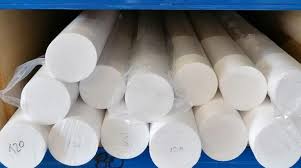
What Is PTFE?
Polytetrafluoroethylene (PTFE) is a high‑performance fluoropolymer widely known for its unmatched combination of physical and chemical characteristics that make it indispensable in demanding industrial environments. It is often recognized by the brand name Teflon and stands out due to its remarkable properties such as near‑total chemical inertness, very low friction, high thermal stability, and superior insulating capabilities.
At the molecular level, PTFE’s carbon backbone enveloped in fluorine atoms creates an exceptionally strong and non‑reactive barrier. This structure not only resists a broad spectrum of chemicals but also ensures extreme durability in conditions where many other polymers and even metals would degrade rapidly. It’s this unique combination of features that has made PTFE a go‑to material for industrial engineers seeking reliability and performance under pressure.
Unlike many plastics that degrade or lose integrity under stress, PTFE maintains its structure across a wide array of industrial conditions. From corrosive chemical plants to high‑precision electronics, PTFE serves as both a material solution and a performance booster. Its versatility has helped it become a staple material across sectors where performance, safety, and long‑term operation matter.
Exceptional Chemical Resistance
One of the most celebrated properties of PTFE is its chemical inertness. This means it does not react with most chemicals, including strong acids, bases, solvents, and corrosive agents — a feature that very few engineering materials can claim.
In practical terms, this resistance translates into:
- Long‑lasting seals, gaskets, and liners that don’t degrade when exposed to corrosive fluids.
- Reliable piping and valves in chemical processing environments where leak‑free operation is critical.
- Protection for sensitive equipment such as mixers, pumps, and storage vessels that would otherwise suffer from rapid wear.
In industry, this level of resistance means reduced downtime, fewer replacements, and more predictable operations, even when handling the most aggressive substances. PTFE’s inertness prevents contamination and maintains material integrity — features that can literally save production lines from catastrophic failure.
Thermal Stability and Extreme Temperature Performance
PTFE performs exceptionally well over a very broad temperature range. It can withstand continuous use in environments from deep cryogenic conditions to temperatures exceeding 260 °C (500 °F) without losing its physical properties.
This makes it ideal for:
- High‑heat processing equipment
- Thermal components in reactors
- Engineering systems subjected to rapid temperature cycling
The ability to maintain strength and performance in both hot and cold extremes ensures that PTFE components won’t fail due to thermal stress — a crucial benefit in industries like aerospace, automotive, and chemical processing where conditions are highly variable.
Low Friction and Wear Resistance
PTFE boasts one of the lowest friction coefficients among solid materials, meaning surfaces coated with or made from PTFE slide against each other with minimal resistance.
This unique characteristic offers significant industrial advantages:
- Reduced wear and tear on moving components such as bearings, gears, pistons, and sliding seals.
- Lower energy consumption, because less force is needed to move parts against each other.
- Extended operational life for machinery due to decreased friction‑induced stress.
For industries that rely on continuous operation and high uptime — think heavy manufacturing lines or propulsion systems — the wear reduction provided by PTFE components translates directly into efficiency and cost savings.
Non‑Stick Surface and Product Release
Perhaps the most familiar property of PTFE to the general public is its non‑stick surface. This isn’t just valuable in household cookware — in industrial settings, it means materials don’t cling to machine parts, which simplifies cleaning and reduces production interruptions.
Industries that benefit from this include:
- Food processing, where production lines must stay clean and free from residue.
- Pharmaceuticals, where contamination control is paramount.
- Coating and molding operations, where product release influences throughput and quality.
Less buildup means less maintenance, fewer production stops, and lower risks of contamination — all of which add up to tangible gains in productivity and quality assurance.
Electrical Insulation Advantages
Beyond mechanical and chemical benefits, PTFE’s electrical insulation properties are exceptional. It offers high dielectric strength and low loss factors, making it suitable for critical electrical and electronic applications.
This makes PTFE a valuable choice for:
- Insulating wires, cables, and connectors used in electronics and aerospace systems.
- High‑frequency component enclosures where reliable insulation prevents signal interference.
- Protective sheathing for sensitive electrical systems exposed to harsh conditions.
In sectors like telecommunications, medical device production, and advanced manufacturing, this combination of thermal and electrical resilience can mean the difference between long‑term reliability and premature failure.
Long‑Term Reliability and Cost Efficiency
While PTFE components sometimes carry a higher initial cost compared to standard plastics or metals, their long‑term value far outweighs that upfront expense.
Because of its:
- Chemical inertness
- Thermal stability
- Low friction
- Long service life
PTFE often lasts much longer than alternative materials, cutting down on replacement frequency and reducing maintenance costs in the long run. This translates into lower total lifecycle costs, less downtime for repairs, and more predictable equipment performance.
Industrial Applications Across Sectors
PTFE’s remarkable properties have made it essential across many major industries:
Chemical and Petrochemical
Here, PTFE is used for lining pipes, valves, and reactors where corrosive fluids would destroy conventional materials.
Food and Pharmaceutical
PTFE’s non‑stick and hygiene‑friendly surfaces support machinery in safe and clean production environments.
Automotive and Aerospace
Its heat resistance and wear‑reducing features make it invaluable for seals, bushings, and insulation materials.
Electronics and Semiconductors
Superior insulation and non‑reactivity ensure the safety and performance of electrical enclosures and sensitive components.
Future Trends with PTFE Materials
As industrial demands evolve, PTFE continues to advance via:
- Composite formulations, combining PTFE with fillers to enhance strength and wear resistance.
- Sustainability initiatives, focusing on longer use life and lower waste via recycling and improved manufacturing processes.
These innovations promise even broader uses and better performance in next‑generation industrial systems.
Conclusion
PTFE materials have revolutionized modern industry due to their unparalleled chemical resistance, thermal stability, electrical and mechanical advantages, and cost‑saving longevity. From heavy machinery to delicate electronics, PTFE enables products and processes that are safer, more efficient, and more reliable — often where traditional materials fail. As emerging technologies push industrial boundaries, PTFE will continue to be a key material solution across sectors.
FAQs
1. What makes PTFE better than other plastics for industrial use?
PTFE’s unique combination of chemical inertness, low friction, and extreme temperature performance makes it superior for demanding applications.
2. Can PTFE withstand corrosive chemicals?
Yes — PTFE is highly resistant to acids, bases, and aggressive solvents, making it ideal for chemical process environments.
3. Is PTFE used in electrical applications?
Absolutely. PTFE provides excellent electrical insulation and is widely used in wires, connectors, and high‑frequency components.
4. Does PTFE help reduce maintenance costs?
Yes — its low friction and wear resistance reduce downtime and part replacement, lowering long‑term maintenance expenses.
5. What industries benefit most from PTFE materials?
PTFE is used across chemical, food, pharmaceutical, automotive, aerospace, and electronics industries due to its versatile performance advantages