
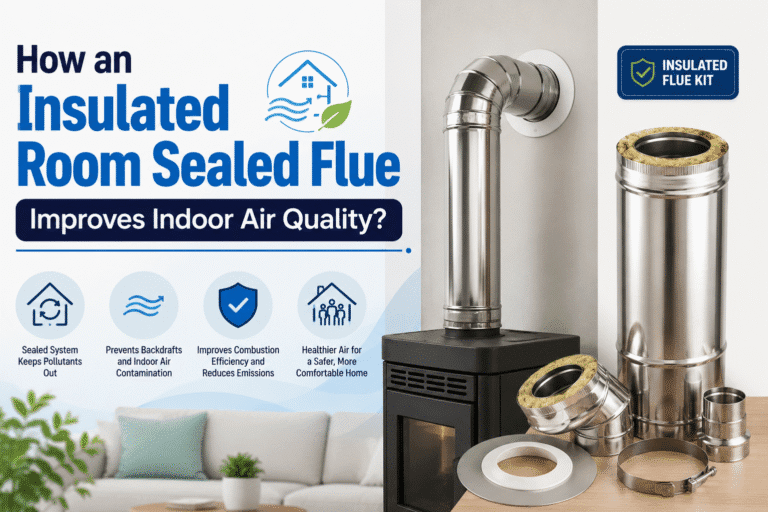
Have you ever wondered why some homes feel stuffy and uncomfortable, whilst others seem to have perfectly fresh air circulating throughout? What if the secret to breathing easier at home wasn’t just about opening windows, but about how your heating system actually works? And here’s a thought—could your flue system be the unsung hero of your household ventilation?
Indoor air quality matters more than most Australians realise. We spend roughly 90% of our time indoors, and the air we breathe at home directly impacts our health, comfort, and wellbeing. Poor ventilation can lead to a buildup of pollutants, moisture problems, and even respiratory issues. That’s where an insulated room sealed flue comes into play—it’s not just about getting smoke out of your house, but about maintaining a healthy, well-ventilated living space.
What Is an Insulated Room Sealed Flue?
Understanding Flue Systems and How They Work
A flue system is essentially the chimney component that carries combustion gases from your heating appliance safely out of your home. When you burn wood or gas, the combustion process creates byproducts including carbon monoxide, particulates, and water vapour. Your flue’s job is to channel these away from your living spaces efficiently.
Modern flue systems have come a long way from traditional brick chimneys. Today’s options include single-wall pipes, double-wall insulated systems, and sophisticated room sealed configurations. Each design serves a specific purpose, but insulated flue kits offer distinct advantages for Australian homes seeking better air tightness solutions.
The Difference Between Standard and Insulated Flue Kits
Standard flue kits typically feature single-wall construction. They’re cheaper upfront but come with trade-offs. Heat loss through the flue walls can cause condensation issues and reduced efficiency. Plus, they often require larger clearances from combustible materials.
An insulated flue kit, on the other hand, features double-wall construction with insulating material between the layers. This design maintains higher flue gas temperatures, promotes better draft, and reduces condensation. The Pivot insulated flue kit, for example, is specifically designed for Australian conditions and offers superior performance compared to basic alternatives.
What Does “Room Sealed” Actually Mean?
Here’s where things get interesting. A room sealed appliance draws its combustion air directly from outside, rather than from the room it’s installed in. This is a game-changer for indoor air quality.
Traditional open-flued heaters pull air from inside your home for combustion, creating negative pressure and drawing in cold draughts through gaps and cracks. Room sealed systems eliminate this problem entirely, keeping your household ventilation balanced and your indoor air cleaner.
How Does a Flue Affect Indoor Air Quality?
The Connection Between Ventilation and Air Quality
Your home’s ventilation system works like a pair of lungs—air needs to flow in and out in a controlled, balanced way. When a heating appliance uses indoor air for combustion, it disrupts this balance. You end up with air rushing in through any available gap, bringing dust, allergens, and outdoor pollutants with it.
A properly installed room sealed flue maintains your home’s airtightness whilst still allowing your heater to operate efficiently. This means your house with ventilation remains under your control, not at the mercy of random air infiltration.
Common Indoor Air Pollutants from Heating Systems
Without proper flue insulation and sealing, heating systems can contribute to several indoor air quality issues:
- Carbon monoxide spillage from poorly drafting flues
- Particulate matter from incomplete combustion
- Excess moisture leading to mould growth
- Backdrafting during windy conditions
- Cold air infiltration replacing heated air
An insulated room sealed flue addresses all these concerns by maintaining proper draft and keeping combustion completely separate from your living space.
Key Benefits of an Insulated Flue Kit for Your Home
Improved Airtightness and Air Tightness Solutions
Modern Australian homes are built to be more airtight than ever before. This improves energy efficiency but requires careful attention to how appliances interact with the building envelope. An insulated flue kit supports your home’s airtightness by preventing unwanted air exchange through the flue system.
When the heater isn’t running, a room sealed system doesn’t act as an open chimney letting warm air escape. This is particularly valuable in Perth and other regions where temperature swings between day and night can be significant.
Better Household Ventilation Without Heat Loss
One of the clever aspects of room sealed flue systems is their ability to provide ventilation for combustion without compromising your home’s thermal comfort. The incoming combustion air is often preheated by the outgoing exhaust gases, improving overall efficiency.
This means you get proper house ventilation for your heating appliance without feeling cold draughts or losing precious heat. It’s a win-win situation that traditional open-flued systems simply can’t match.
Reduced Condensation and Moisture Problems
Condensation inside flues is a common problem, especially with standard uninsulated systems. When hot exhaust gases meet cold flue walls, moisture condenses and can cause corrosion, creosote buildup, and even structural damage.
An insulated flue kit keeps the inner wall warm, preventing condensation and ensuring reliable operation throughout winter. This is particularly important for fireplace flue insulation in coastal areas where humidity levels are higher.
Enhanced Safety for Wood Stove Flue Kit Installations
Safety is paramount when installing any heating appliance. A wood stove flue kit with proper insulation provides crucial protection in several ways:
- Maintains safe external surface temperatures
- Reduces clearance requirements to combustible materials
- Prevents creosote buildup through proper draft
- Minimises fire risk from overheated flue components
Do You Need Air Vents with a Room Sealed Flue?
Understanding Door Ventilation Requirements
This is a question we hear often. Traditional open-flued appliances require permanent air vents—often installed in doors or walls—to provide combustion air. These vents can be draughty, allow noise transfer, and reduce your home’s overall airtightness.
With a room sealed system, you generally don’t need additional door ventilation specifically for the heater. The appliance gets its air directly from outside through the flue system itself.
Balancing Airtightness with Adequate House Ventilation
That said, every home still needs adequate ventilation for occupant health. A room sealed flue handles combustion air independently, but you’ll still want a proper home ventilation system for general air quality. This might include bathroom exhaust fans, range hoods, and potentially a mechanical ventilation system in very airtight homes.
How Room Sealed Flues Support Modern Home Ventilation Systems?
Working with Existing Ventilation Systems
Room sealed flues integrate seamlessly with modern ventilation systems because they don’t compete for air. Your existing exhaust fans and ventilation equipment can operate without fighting against a heater that’s consuming indoor air. This coordination is essential for maintaining healthy indoor air quality.
Fireplace Flue Insulation and Energy Efficiency
Beyond air quality, fireplace flue insulation contributes significantly to energy efficiency. By maintaining proper flue temperatures, your heating appliance operates more efficiently, burning fuel more completely and extracting more heat for your home.
Choosing the Right Flue Kit for Australian Conditions
Pivot Stove Flue Kit vs Pivot Insulated Flue Kit
When shopping for flue kits, Perth homeowners have several options. A standard Pivot stove flue kit might suit mild climates and occasional use. However, for serious heating needs and optimal indoor air quality, a Pivot insulated flue kit delivers better performance across the board.
What to Consider When Buying Flue Kits in Perth and Beyond?
Consider your local climate, how often you’ll use your heater, and your home’s existing ventilation setup. Quality flue systems are an investment in your family’s health and comfort—not the place to cut corners.
Is an Insulated Flue Better Than an Uninsulated One?
Absolutely. For air quality, safety, and efficiency, insulated flue kits outperform standard options in virtually every measurable way. The upfront cost difference is quickly recovered through better performance and reduced maintenance.
Can a Flue System Help with Allergies and Respiratory Issues?
Yes, particularly room-sealed systems. By preventing backdrafting and maintaining controlled ventilation, these flues help reduce indoor pollutants that aggravate allergies and respiratory conditions.
Installation Considerations for Optimal Performance
Professional installation is essential. Proper sizing, correct termination positioning, and compliant clearances all affect how well your flue system performs. Always use certified installers familiar with Australian standards.
Breathing Easier with the Right Flue System
Choosing an insulated flue kit is one of the smartest decisions you can make for your home’s indoor air quality. These systems keep combustion gases completely separate from your living space, maintain proper draft, and support your home’s overall ventilation strategy.
We’ve covered a lot of ground here—from understanding how flue systems work to exploring the specific benefits of insulated options. The key takeaway? Your flue isn’t just a pipe for smoke; it’s an integral part of your home ventilation system that directly impacts the air your family breathes every day.