
Picture this: You’re at a bustling networking event, juggling a drink, your phone, and a stack of paper business cards that’s slowly crumpling in your pocket. Someone asks for your contact information, and you frantically search through your wallet, only to realize you’ve run out of cards. Sound familiar? There’s a better way, and it fits right in your wallet—or even on your phone.
Welcome to the world of NFC business cards, where a simple tap replaces the awkward exchange of paper cards. This isn’t just about going digital; it’s about transforming how professionals connect, share information, and make lasting impressions in our increasingly connected world.
What Are NFC Business Cards?
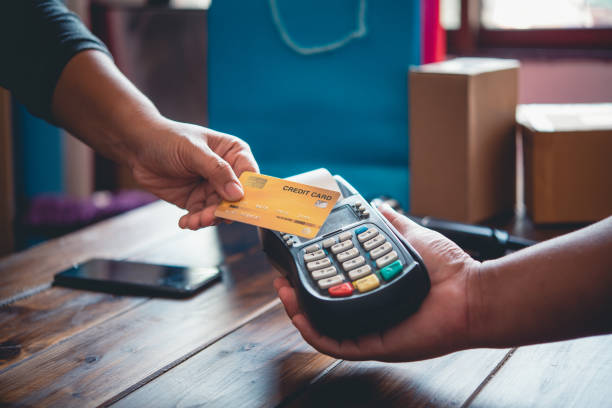
NFC business cards use Near Field Communication technology to share your contact information wirelessly with anyone who has a smartphone. Think of NFC as the same technology that powers contactless payments like Apple Pay or Google Wallet, but instead of transferring money, you’re sharing your professional details.
These smart cards look similar to traditional business cards but contain a tiny embedded chip. When someone taps their smartphone against your NFC card, your information instantly appears on their device. No app downloads required, no typing mistakes, and no manual data entry. It’s networking magic that actually works.
The beauty of NFC technology lies in its simplicity. The communication happens within a range of about four centimeters, making it both secure and intentional. You’re not broadcasting your information to everyone around you—only to the person you choose to connect with.
How NFC Business Cards Actually Work
The technology behind NFC business cards is surprisingly straightforward. Each card contains a passive NFC chip that doesn’t require a battery. When a smartphone with NFC capability comes close enough, it powers the chip through electromagnetic induction—the same principle that charges your wireless earbuds.
Once activated, the chip transmits a small amount of data to the smartphone. This data typically includes a URL that directs the recipient to your digital business card profile. Modern smartphones automatically detect NFC tags, so the recipient doesn’t need any special apps or technical knowledge. They simply tap and view.
For iPhone users, NFC reading is built into iOS 14 and later versions. Android phones have supported NFC for years, with most devices manufactured after 2015 including this feature. This widespread compatibility means your NFC business card works with virtually any smartphone your networking contacts might have.
The Environmental Impact of Going Digital
Every year, businesses print approximately 10 billion paper business cards globally, and a staggering 88% of them end up in the trash within a week. That’s not just wasteful—it’s an environmental crisis hiding in plain sight. Each ton of paper production requires about 24 trees and thousands of gallons of water.
Switching to NFC business cards eliminates this waste entirely. One digital card replaces thousands of paper cards throughout your career. You never run out, never need to reorder when your information changes, and never contribute to the mountains of discarded cards filling landfills.
Beyond the obvious paper savings, consider the carbon footprint of traditional business cards. The printing process, shipping, and distribution all consume energy and resources. Digital networking cuts through all of this, offering a genuinely sustainable alternative that modern professionals can feel good about using.
Cost-Effectiveness Over Time
The initial investment in an NFC business card might seem higher than ordering a box of paper cards—typically ranging from $20 to $100 per card depending on features and design. However, the long-term economics tell a different story.
Traditional business cards need reprinting whenever you change jobs, get a promotion, update your phone number, or rebrand your business. Each reprint costs money, and those outdated cards become instant trash. With an NFC card, you update your information once in the associated app or platform, and everyone who taps your card sees the current details.
Over a typical professional career, you might order paper business cards dozens of times. When you calculate the cumulative cost of printing, shipping, and the opportunity cost of running out at crucial moments, NFC cards often prove more economical. Plus, you’re investing in technology that positions you as forward-thinking and innovative.
Customization and Branding Opportunities
NFC business cards offer unprecedented flexibility in how you present your professional identity. Your digital profile can include far more than the limited space on a paper card allows. Add your professional photo, company logo, social media links, portfolio samples, videos, presentation decks, or even your latest blog posts.
The physical card itself provides excellent branding opportunities too. Choose from metal cards with premium finishes, bamboo options for an eco-friendly statement, or minimalist designs that emphasize your modern approach. Some companies offer custom shapes, colors, and textures that make your card memorable even before someone taps it.
The real power comes from dynamic content updates. Launching a new product? Update your digital card to feature it prominently. Speaking at a conference? Add your presentation slides. This living, breathing representation of your professional brand stays current without requiring any physical changes to the card itself.
Enhanced Networking Analytics
One of the most powerful features of NFC business cards that paper can never match is analytics. When someone taps your card, you can track that interaction. You’ll know who viewed your information, when they viewed it, and which elements of your profile interested them most.
This data transforms networking from a numbers game into a strategic advantage. You can follow up with contacts while the conversation is still fresh in their minds. You’ll understand which networking events generate the most engagement and identify genuine leads versus casual contacts.
Some advanced NFC card platforms integrate with customer relationship management (CRM) systems, automatically logging new contacts and organizing them for follow-up. This seamless integration means you’re building your professional network efficiently, with all the information you need to nurture relationships over time.
Security and Privacy Considerations
Security concerns often arise when discussing any digital technology, and NFC business cards deserve careful consideration. The good news is that NFC technology itself is inherently secure due to its extremely short range. Someone can’t secretly scan your card from across the room.
You maintain complete control over what information appears on your digital profile. Unlike a paper business card that displays everything to anyone who receives it, you can customize access levels or update privacy settings as needed. If you lose an NFC card, you can deactivate it remotely, preventing unauthorized access.
However, like any digital tool, best practices matter. Use reputable NFC card providers with secure platforms, enable two-factor authentication on your accounts, and be mindful about including sensitive information. The same common sense you’d apply to any online presence applies here—share professionally relevant information while keeping personal details appropriately private.
Integration with Digital Ecosystems
NFC business cards shine brightest when they connect seamlessly with your existing digital tools. Most platforms allow integration with LinkedIn, making it easy to connect professionally. Some support direct imports to phone contacts, calendar scheduling, or even instant email composition.
For sales professionals, integration with tools like Salesforce, HubSpot, or other CRM platforms transforms each tap into a qualified lead automatically entered into your sales pipeline. Marketing teams can track campaign effectiveness by monitoring which team members generate the most engagement at different events.
The ecosystem extends to analytics platforms too. Understanding trends in how people interact with your digital card helps refine your networking approach. Maybe your video introduction generates more follow-ups than your written bio. Perhaps contacts from certain industries engage more with specific content. These insights drive better networking outcomes.
Making the Switch: Implementation Tips
Transitioning to NFC business cards doesn’t mean abandoning traditional approaches overnight. Many professionals carry both during an initial period, gauging reception and comfort levels. Start by using your NFC card at tech-forward events or with younger professionals who embrace digital tools readily.
When presenting your NFC card, briefly explain what it does: “This is an NFC card—just tap it with your phone and my contact info will pop up automatically.” Most people find the technology impressively convenient once they try it. Keep the explanation simple and focus on the benefit: instant, accurate contact sharing.
Choose a platform that matches your needs and technical comfort level. Some NFC card services offer extensive customization and analytics, while others focus on simplicity and ease of use. Consider whether you need team management features, CRM integration, or advanced analytics before committing to a provider.
Industry-Specific Applications
Real estate agents particularly benefit from NFC business cards because property information, virtual tours, and listing portfolios integrate naturally into digital profiles. Imagine showing a property and tapping your card to instantly share listing details, neighborhood statistics, and mortgage calculators.
Creative professionals like photographers, designers, and artists use NFC cards to showcase portfolios that would never fit on paper. A graphic designer’s card can link to their entire body of work, while a photographer might include a stunning slideshow that demonstrates their style better than any business card could.
Healthcare professionals, financial advisors, and consultants appreciate the professional image NFC cards project while maintaining appropriate information boundaries. They can share credentials, specializations, and booking links while controlling exactly how much personal contact information to include.
The Future of Professional Networking
As augmented reality and virtual reality technologies mature, NFC business cards will likely serve as bridges between physical and digital networking experiences. Imagine tapping a card and launching an AR presentation or joining a virtual office tour.
Artificial intelligence integration could personalize the content each recipient sees based on their industry, interests, or the context of your meeting. Your NFC card might automatically highlight relevant case studies or adjust messaging to resonate with different professional backgrounds.
Blockchain verification may eventually authenticate credentials, professional certifications, or recommendations displayed on digital business cards. This adds trust and verification to networking in ways paper cards never could, helping professionals stand out in crowded markets.
Overcoming Common Objections
“What if someone doesn’t have a smartphone?” This scenario becomes rarer every year, but keeping a few traditional cards as backup handles these situations. Most NFC card providers also generate QR codes as an alternative sharing method.
“Isn’t this impersonal?” Actually, the opposite proves true. Taking time to demonstrate technology shows engagement. Plus, immediately adding someone to your contacts while speaking with them demonstrates genuine interest in staying connected.
“What about older professionals who prefer traditional methods?” Many executives and senior professionals appreciate efficiency and innovation. They often respond positively to seamless technology that saves time. Present it confidently, and most people respect the modern approach.
Measuring ROI on Your Networking Investment
Tracking the return on investment for NFC business cards goes beyond counting cost savings on printing. Consider the opportunity cost of missed connections when you’ve run out of paper cards, or the deals lost because someone couldn’t read your handwriting when you wrote your number on a napkin.
Measure lead conversion rates from networking events before and after implementing NFC cards. Track how many digital connections translate into LinkedIn connections, email conversations, or actual business relationships. The analytics available through NFC platforms make this measurement straightforward.
Factor in time savings too. The hours you don’t spend ordering cards, proofreading printing files, and managing inventory have real value. Time spent updating your digital profile once instantly updates thousands of past and future connections—a multiplier effect impossible with paper.
Choosing the Right NFC Card Provider
The Digital Business Cards market includes numerous providers with varying features, price points, and reliability levels. Research providers that offer the features most important to your professional needs. Do you prioritize design customization, advanced analytics, CRM integration, or budget-friendly options?
Read reviews from actual users, not just marketing materials. Look for providers with responsive customer support, regular platform updates, and clear privacy policies. Some questions to ask include: How easy is updating information? What happens if the company goes out of business? Can you export your contact data?
Consider scalability if you’re purchasing for a team or entire organization. Volume discounts, unified analytics, and consistent branding across team members’ cards matter for businesses. Some providers specialize in enterprise solutions while others focus on individual professionals.
Best Practices for Maximum Impact
Design your digital profile with the same care you’d give a website. Use professional photos, clear headlines, and compelling descriptions of what you do. Include multiple contact methods so people can reach you through their preferred channels.
Keep information current and relevant. Update your profile quarterly at minimum, adding recent projects, achievements, or offerings. Stale information suggests you’re not actively engaged in your field.
Follow up quickly after exchanging cards. The analytics show when someone views your information—use that data to send a personalized message while your conversation remains fresh. Reference specific discussion points to demonstrate genuine interest.
Test your card regularly with different phone models and operating systems. Ensure links work, information displays correctly, and the tap response happens smoothly. A technically flawless experience reinforces your professional image.
Frequently Asked Questions
Do NFC business cards work with all smartphones?
NFC business cards work with virtually all modern smartphones. iPhones from iPhone 7 onwards (with iOS 14 or later) support NFC reading without any additional apps. Most Android phones manufactured after 2015 include NFC capability. For older phones without NFC, most digital business card platforms also generate QR codes that work universally.
How much do NFC business cards typically cost?
Prices range from $20 to $100 per card depending on material quality, design complexity, and features. Basic plastic cards with standard designs start around $20-30, while premium metal or custom-designed cards can reach $100 or more. Many providers offer volume discounts for team purchases. The associated digital platform may require a subscription, typically $5-15 monthly, though some offer free basic plans.
Can I change the information on my NFC card after receiving it?
Absolutely. This is one of the biggest advantages over traditional business cards. You don’t change the physical card itself—you update your information through the provider’s app or website, and anyone who taps your card sees the updated information immediately. This means one card lasts throughout job changes, phone number updates, or any other information modifications.
What happens if I lose my NFC business card?
Most providers allow you to deactivate lost cards through their platform, similar to canceling a credit card. This prevents anyone who finds it from accessing your information. You can then order a replacement card and reassign your profile to the new card. Some providers offer card replacement guarantees or insurance options.
Are NFC business cards secure?
Yes, NFC technology is quite secure. The extremely short range (about 4 centimeters) means someone can’t scan your card remotely. You control what information appears on your digital profile and can update privacy settings anytime. Reputable providers use encryption and secure servers to protect your data. As with any digital tool, choose established providers and follow basic security practices.
Do recipients need an app to receive my information?
No app is required for recipients. When they tap their NFC-enabled phone against your card, their phone automatically reads the NFC chip and directs them to your digital profile through their web browser. This seamless experience removes barriers to connection and makes the technology accessible to everyone.
Can I use NFC business cards if I’m not tech-savvy?
Definitely. Using an NFC card is actually simpler than managing traditional business cards. Most providers offer intuitive platforms where you fill out a form with your information—similar to creating a social media profile. The hardest part is the initial setup, which typically takes 10-15 minutes. After that, sharing your card is just a tap, and updating information is as easy as editing a document.
How long do NFC business cards last?
Physical NFC cards are durable and typically last several years with normal use. The cards themselves don’t have batteries—the NFC chip is passive and activates only when near a phone, so there’s nothing to run out or recharge. High-quality cards made from metal or premium plastic can last even longer, potentially throughout your entire career if kept in good condition.