
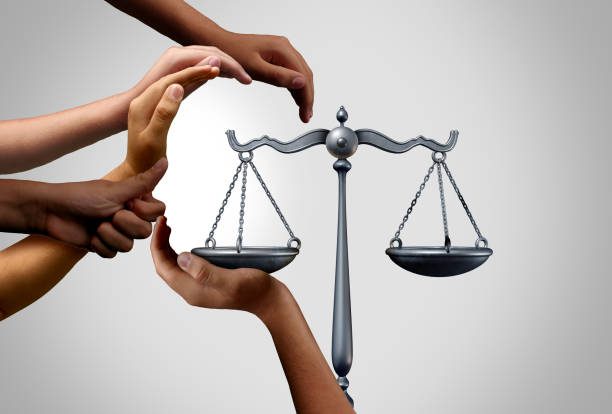
In the complex landscape of post-conflict societies, achieving lasting peace is often seen as the ultimate goal. However, history has shown that peace alone is not enough. True peace requires more than just the cessation of violence; it demands a process of reconciliation and justice that addresses the deep-rooted inequalities that fuel conflict in the first place. At the heart of this reconciliation is economic justice ensuring that all members of society have equitable access to resources, opportunities, and power. Without economic fairness, peace can be fragile, temporary, and prone to relapse into conflict. Economic justice, therefore, becomes a crucial pillar of sustainable peace.
Concept of Economic Justice
Economic justice refers to the equitable distribution of wealth, opportunities, and privileges within a society. It involves removing barriers to access for marginalized groups, ensuring fair wages, providing quality education, and addressing historical inequities that have left certain populations economically disadvantaged. At its core, economic justice is about fairness and creating an environment where every individual, regardless of their background, has the opportunity to thrive.
In societies torn apart by conflict, economic justice is not just an abstract ideal it is a necessity for healing. For reconciliation to take place, there must be a commitment to leveling the playing field. When economic disparities are ignored or unresolved, resentment festers, creating fertile ground for the resurgence of conflict. To build lasting peace, societies must confront the economic inequities that contributed to the conflict in the first place, ensuring that all citizens have access to the same opportunities, rights, and resources.
Reconciliation in Post-Conflict Societies
Reconciliation is a multi-faceted process that involves not only the cessation of hostilities but also the rebuilding of trust, relationships, and institutions that have been fractured by violence. It requires the acknowledgment of past wrongs, the healing of psychological wounds, and the establishment of new social and political frameworks that can support lasting peace. However, true reconciliation cannot be achieved if the economic conditions that fueled conflict remain unaddressed.
In many post-conflict societies, economic disparity has been a significant driver of violence. For example, in countries like South Africa, the deep economic inequality between racial groups was a central cause of the apartheid system and the subsequent violent struggle for equality. Similarly, in Rwanda, the 1994 genocide was partially driven by economic marginalization and exclusion of certain ethnic groups from power and resources. In both of these cases, efforts at reconciliation were inextricably linked to economic justice.
An important example of this is the work done in post-apartheid South Africa. The Truth and Reconciliation Commission (TRC) helped to heal many of the social and psychological wounds from the apartheid era, but it also recognized that without addressing the economic legacies of apartheid, the cycle of inequality and unrest would continue. The new government’s policies focused on redistributing wealth, creating jobs, and improving access to education and healthcare, though many challenges remain. Without these efforts, peace in South Africa would have remained precarious at best.
Interconnection Between Peace and Economic Fairness
Economic inequality has long been linked to social unrest and conflict. When large sections of the population are excluded from economic opportunities, it breeds frustration, resentment, and a sense of injustice. This feeling of exclusion can be a powerful motivator for conflict, as people fight not just for political power but also for access to resources and a better life. In contrast, societies that offer economic fairness and equal opportunities are less likely to experience violent conflict, as citizens feel more invested in the social and political system.
A stark example of the relationship between peace and economic justice can be seen in Northern Ireland. The conflict, known as “The Troubles,” was rooted in both religious and economic inequality. The Protestant majority had greater access to economic opportunities, while the Catholic minority faced discrimination in housing, employment, and education. The Good Friday Agreement, which helped bring peace to the region, did not simply focus on political power-sharing; it also included economic provisions aimed at addressing these inequalities. By creating a more inclusive economy, Northern Ireland has been able to sustain peace in the years following the agreement.
Similarly, in Colombia, decades of civil war were driven by economic exclusion and land inequality. The peace agreement signed between the Colombian government and the Revolutionary Armed Forces of Colombia (FARC) in 2016 was not just a political pact; it included measures to address land reform, rural development, and the integration of former combatants into the economy. By addressing economic injustice, the peace agreement laid the foundation for a more stable and inclusive society.
Economic Justice and Social Development
One of the key drivers of economic justice is the provision of public goods and services that benefit society as a whole, particularly marginalized communities. Access to education, healthcare, housing, and employment opportunities is essential in building an inclusive economy. Education, in particular, plays a central role in promoting economic justice. Without access to quality education, individuals are trapped in cycles of poverty and exclusion, unable to contribute fully to society or to achieve upward mobility.
Efforts to address economic justice can take many forms, from direct government policies to community-driven initiatives. In Georgia, for example, local initiatives, such as Schools Donation in Georgia, aim to level the playing field for underfunded schools in economically disadvantaged areas. Such donations can provide critical resources for students, including access to textbooks, technology, and extracurricular activities that help bridge the gap between the wealthy and the poor. This contributes not only to the educational outcomes of individual students but also to long-term societal peace by fostering a sense of fairness and inclusion.
In many post-conflict countries, rebuilding the educational infrastructure is a crucial component of long-term peacebuilding. By investing in education, societies can create a future generation that is better equipped to participate in economic development and governance. Furthermore, education helps to break down social divides by fostering mutual understanding and collaboration across different groups.
Challenges of Achieving Economic Justice
Achieving economic justice is not easy, especially in post-conflict societies. Political instability, lack of resources, and entrenched systems of inequality often make it difficult to implement policies that promote fairness. Additionally, there are often vested interests both domestic and international that resist change, as they benefit from the status quo.
One of the most significant challenges is addressing historical injustices. In many cases, economic inequalities are deeply rooted in the history of colonialism, racism, and exclusionary practices that have left certain groups systematically disadvantaged. Overcoming these legacies requires not only policy changes but also a shift in societal attitudes and norms. This is where the role of civil society organizations, international agencies, and grassroots movements becomes crucial. They can help raise awareness of the need for economic justice and advocate for policies that address the root causes of inequality.
Strategies for Implementing Economic Justice
For economic justice to be effectively implemented, it requires comprehensive and multifaceted strategies. Governments must prioritize policies that promote income redistribution, such as progressive taxation and social welfare programs, while also investing in infrastructure projects that create jobs and stimulate economic growth. Land reforms, which ensure fair access to land and resources, are another crucial step in reducing economic inequality.
In addition to government action, private sector involvement is essential. Businesses can play a role in promoting economic justice by adopting fair labor practices, paying living wages, and investing in local communities. Furthermore, international financial institutions can provide the necessary funding for development projects that promote economic justice, particularly in post-conflict areas.
Conclusion
Economic justice is not a luxury or an afterthought in peacebuilding it is a fundamental requirement for true reconciliation and lasting peace. Without addressing the economic disparities that divide societies, peace remains fragile, and the seeds of future conflict are sown. By investing in fairness and equitable access to resources, societies can heal old wounds and build a future where all citizens can thrive. As we have seen in various examples around the world, economic justice not only promotes peace but also fosters a more just and prosperous society for all