
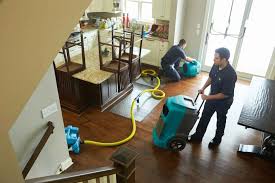
When mold begins to grow inside your home or business, it can quickly turn into a serious problem that affects your indoor air quality, structural integrity, and overall health. Mold damage cleanup is a crucial process that requires proper assessment, containment, and remediation to fully eliminate mold and prevent it from returning. Whether you’re a property owner dealing with recent water damage or you’ve noticed musty odors and visible mold patches, understanding how mold cleanup works can save you time, money, and stress.
What Causes Mold Growth?
Mold thrives in environments with excessive moisture, limited ventilation, and organic materials that serve as food sources. Common causes include:
- Water leaks from roofs, plumbing, or appliances
- Flooding or storm damage
- High humidity levels inside bathrooms, basements, and crawl spaces
- Condensation buildup on walls, windows, and HVAC systems
- Poor ventilation that traps moist air indoors
Once moisture is present for more than 24–48 hours, mold can start developing and spreading rapidly.
Why Mold Damage Cleanup Is Essential
Ignoring mold growth can lead to:
1. Health Risks
Mold spores can affect indoor air quality and trigger problems such as:
- Allergies and respiratory irritation
- Skin rashes
- Asthma flare-ups
- Headaches and fatigue
Individuals with weakened immune systems or chronic respiratory conditions are particularly vulnerable.
2. Structural Damage
Mold feeds on wood, drywall, insulation, and carpeting. Over time, this can weaken the building structure and require costly repairs.
3. Lingering Odors
Musty smells can permeate your home, making it uncomfortable for residents or visitors.
4. Property Value Decline
Untreated mold issues can drastically reduce property value and make selling difficult.
Professional vs. DIY Mold Cleanup: What to Know
If you see a small patch of mold in an isolated area, it might be possible to clean it yourself using proper protective gear and cleaning agents. However, professional mold damage cleanup is strongly recommended when:
- Mold covers more than 10 square feet
- Mold has spread to walls, ceilings, HVAC systems, or hidden areas
- You’re dealing with black mold (Stachybotrys)
- You recently had major water damage
- Odors persist despite cleaning
Professionals use advanced techniques and equipment to ensure thorough removal and long-term prevention.
The Mold Damage Cleanup Process: Step-by-Step
1. Inspection & Assessment
Experts evaluate the extent of mold growth, moisture levels, and areas affected. Thermal imaging and moisture meters help detect hidden mold.
2. Containment
To prevent mold spores from spreading, technicians seal off the affected areas using plastic barriers, negative air pressure, and air filtration systems.
3. Air Filtration
HEPA air scrubbers and vacuums capture airborne mold spores, improving air quality.
4. Mold Removal
Depending on severity, professionals may:
- Use EPA-approved antimicrobial solutions
- Remove contaminated materials like drywall, insulation, or carpeting
- Clean and sanitize structural elements
5. Cleaning & Sanitization
Personal belongings, furniture, and surfaces are cleaned with specialized products to remove mold residue and odors.
6. Drying & Dehumidification
Since mold thrives in moisture, thorough drying using industrial dehumidifiers and air movers is essential.
7. Restoration
The final step involves repairing and rebuilding any damaged areas, ensuring your property returns to a safe, clean condition.
Preventing Mold After Cleanup
Once mold has been removed, prevention becomes key. You can reduce the chance of future mold growth by:
- Fixing leaks immediately
- Improving ventilation in bathrooms, kitchens, and basements
- Running dehumidifiers in damp areas
- Keeping indoor humidity below 50%
- Ensuring proper insulation and airflow around windows and walls
- Scheduling regular property inspections, especially in older homes
Signs You Need Mold Damage Cleanup Immediately
Contact a mold remediation specialist if you notice:
- Musty or earthy indoor odors
- Dark patches on walls, ceilings, or flooring
- Recent water leaks
- Peeling paint or warped surfaces
- Allergy symptoms worsening indoors
- Condensation on windows or walls
Early detection leads to easier, more affordable cleanup.
Choosing the Right Mold Cleanup Company
Look for a certified mold remediation company that offers:
- IICRC-trained technicians
- State-of-the-art equipment
- Clear pricing and detailed inspection reports
- Emergency response services
- Warrantied mold remediation solutions
Reputable companies follow industry standards and ensure mold is eliminated completely—not just treated on the surface.
Final Thoughts
Mold damage cleanup is not just a cosmetic fix—it’s a critical process that protects your property and the people living or working inside it. With proper remediation and moisture control, mold doesn’t have to be a long-term problem. Whether you’re dealing with minor mold growth or a large-scale infestation, timely professional cleanup is the safest and most effective solution.