
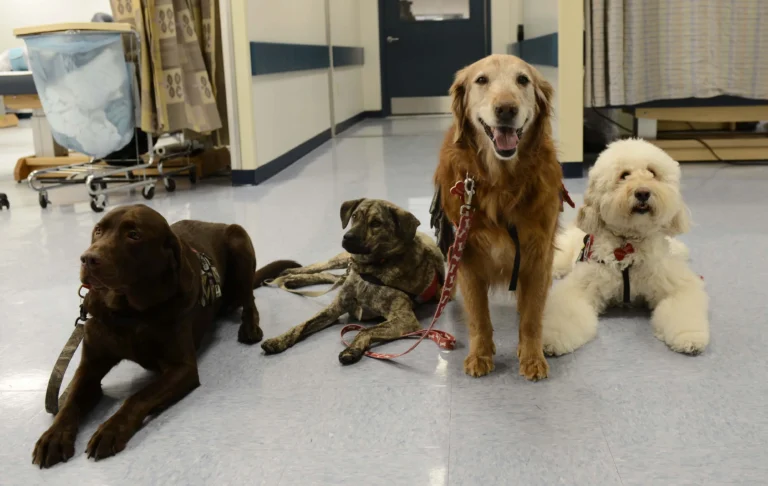
Socializing your dog doesn’t have to feel stressful or complicated. In fact, it can be one of the most enjoyable parts of raising a well-rounded, confident pet. One of the easiest and most effective ways to do this is through Group Training Classes for Dogs. These classes combine guidance, structure, and fun, giving your dog the chance to learn how to behave around others while building real-world skills at the same time.
Let’s walk through how group training makes socialization easier for both dogs and their owners—and why it might be exactly what your dog needs.
Why Socialization Matters for Every Dog
Socialization simply means helping your dog learn how to act and feel comfortable around new experiences. This includes new dogs, new people, new places, and new sounds. When socialization is done well, your dog grows into a calm, steady companion who can handle daily life without fear or overexcitement.
Without proper socialization, dogs may:
- Become shy or fearful in new situations
- Bark, jump, or pull when they see other dogs
- Struggle to settle in busy places
- Feel unsure when meeting new people
That’s where Group Training Classes for Dogs come in—they create a safe and guided path for your dog to build confidence step by step.
How Group Training Gives Your Dog Safe Social Exposure
One of the biggest challenges dog owners face is finding safe and reliable ways to expose their dog to new things. Dog parks can be unpredictable, and random interactions on walks can lead to stress or conflict. Group classes solve this by creating a controlled environment where social exposure is gentle, positive, and supervised.
In class, dogs are kept at a comfortable distance at first. As they improve, they practice closer interactions, controlled greetings, and calm behavior. Because the trainer monitors everything, your dog learns how to socialize without getting overwhelmed.
Teaching Dogs How to Behave Calmly Around Others
Socialization isn’t just about letting dogs “meet”—it’s about teaching them the right way to behave around others. Group classes focus on exactly that.
Dogs practice:
- Sitting calmly as other dogs walk by
- Focusing on their owner instead of lunging or barking
- Walking politely next to other dogs
- Greeting people gently without jumping
- Staying relaxed even when another dog is excited
These are skills your dog will use everywhere—at the park, on walks, at the vet, and anytime visitors come to your home.
Making Training Fun Through Games and Activities
Dogs learn best when they’re having fun. Many group training programs use games, short activities, and reward-based exercises to keep dogs engaged and excited to participate. This makes socialization feel like play instead of pressure.
Games may include:
- “Find it” scent games
- Obstacle courses
- Controlled greeting exercises
- Focus and recall challenges
- Calm waiting practice
Dogs love these sessions because they earn treats, praise, and mental stimulation—all while learning how to behave around others.
How Group Classes Help Shy or Nervous Dogs
Not every dog is outgoing, and that’s okay. Some need more time to warm up. Group training creates a routine where shy or nervous dogs can observe from a distance until they feel ready to participate.
Over time, they learn:
- New dogs aren’t scary
- People moving around them is normal
- Loud sounds and activity don’t mean danger
- Their owner is a safe place they can return to
If a dog needs extra support, owners can pair group classes with private training for dogs, which gives one-on-one help without losing the benefits of social exposure.
Helping Overexcited Dogs Learn Self-Control
Some dogs are the opposite of shy—they want to greet everyone, sniff everything, and be the life of the party. While that enthusiasm is sweet, it can lead to pulling, jumping, or barking.
Group training teaches excited dogs how to:
- Slow down
- Take cues from their owner
- Wait their turn
- Calm themselves around other dogs
- Listen even when excited
These skills are important for keeping your dog safe and helping them enjoy outings without getting too overstimulated.
A Great Way for Owners to Build Skills Too
Group training doesn’t just help dogs—it helps owners learn how to communicate clearly, read body language, handle the leash, and guide their dog through tricky situations.
In class, you learn how to:
- Keep your dog focused on you
- Redirect them when they get distracted
- Reward calm behavior
- Correct gently and effectively
- Stay calm even when other dogs react
These skills make you a better, more confident handler in any environment.
Preparing Your Dog for Real-World Adventures
Group classes feel similar to real life because they include movement, noise, and other dogs. This gives your dog important practice before facing busy sidewalks, parks, stores, or events.
Dogs trained in these settings are more likely to:
- Handle distractions with confidence
- Stay calm when passing other dogs
- Listen in new environments
- Behave politely in public
- Travel more easily
If you want even deeper or more focused training, some owners choose programs like dog board and training chicago, which provide structured daily training before returning to group classes to reinforce real-world social skills.
Building a Community for You and Your Dog
Group training classes build a friendly community of dog owners going through the same challenges. You get to share progress, swap tips, and support each other. Dogs pick up on that positive energy too—when you’re comfortable, they feel more at ease.
Many dogs (and owners) look forward to class every week because it becomes a familiar, fun social outing.
Creating Lifelong Social Skills Through Practice
Socialization isn’t a one-time task. It’s something dogs improve with repetition. Group classes make this easy by offering regular practice in a structured setting.
As weeks go by, you’ll notice your dog:
- Greeting others more politely
- Handling excitement better
- Settling faster after activity
- Showing more patience and focus
- Becoming more confident overall
These skills stay with your dog for life when you keep practicing them at home.
Conclusion: Make Socialization Simple with Prestige Dog Training
When it comes to helping your dog become confident, friendly, and well-mannered, Group Training Classes for Dogs make socialization simple, safe, and fun. Dogs learn how to behave around others, build confidence, gain self-control, and enjoy positive experiences in a structured environment.
If you want to give your dog the best start, consider working with Prestige Dog Training. With a balanced mix of group classes, options for private training for dogs, and programs such as dog board and training chicago, they help every dog enjoy socialization and grow into a well-adjusted companion.
Here you can see more articles.