
Remember the pure satisfaction of a CD that felt like a treasure? You’d crack open the case, and instead of a simple slip of paper, you’d find a thick, folded booklet that kept going. That was the magic of the six-panel CD jacket. While its four-panel cousin was the reliable workhorse, the six-panel was the deluxe edition, the director’s cut. It wasn’t just packaging; it was an invitation to linger. In the few extra seconds it took to fully unfold that intricate, accordion-like map of artwork and lyrics, you were signaling to yourself that this album was an event. It promised—and delivered—more world to get lost in before you even hit play.
Beyond the Basics: Anatomy of an Experience
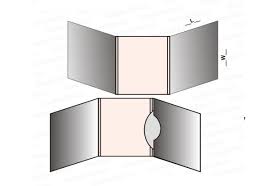
Lay it flat, and you see the ambition. A six-panel CD jacket takes that long rectangle of card and folds it three times, creating six equal faces. This transforms it from a simple gatefold into a substantial, walk-through experience. The front panel remains the iconic cover. But open it, and the journey begins: you’re met with two more panels (2 and 3), often the home for a powerful introductory image or the start of the lyrics. Then, you keep going, unfolding again to reveal the heart of the matter—panels 4 and 5, the expansive, uninterrupted double-page spread that was the format’s crowning glory. Finally, panel 6 forms the back, dedicated to the tracklist and credits. It was a narrative in paper, with a beginning, middle, and end.
Why Artists and Labels Leaned Into the Luxury
This wasn’t the choice for a rushed, ten-track album. The six-panel jacket was a statement. It said the artist had more to share: more lyrics, more concept, more photography, more art. For progressive rock bands, metal acts with elaborate mythology, or singer-songwriters bearing soul-baring liner notes, it was a necessity. It allowed for full, unbroken panoramas—a dystopian cityscape, a sprawling forest, a gritty, behind-the-scenes tour diary in grainy black and white. It gave credits the space to thank everyone, from the producer to the tea-maker, fostering that sense of community and craft. It physically felt more valuable, justifying a slightly higher price point and cementing the album as a special release.
The Collector’s Realm: Where the Details Live
For the true fan, the six-panel was where you struck gold. This was the format that could house a full lyric sheet and a separate, dedicated photography section. It might contain a fold-out poster, or use one of its panels for a handwritten message from the band. The extra real estate allowed for easter eggs—hidden messages in the artwork, recurring visual motifs that unfolded across the panels, or production notes explaining the story behind each song. In your hands, you weren’t just holding a playlist; you were holding an archive. It made the act of collecting feel like curation, each jacket a chapter in a larger, physical library of your musical identity.
The Design Challenge and Triumph
For a graphic designer, the six-panel was both a dream and a puzzle. The flow had to be impeccable. Artwork couldn’t just be slapped on; it had to guide the viewer’s eye across the folds, creating a cohesive story whether viewed panel-by-panel or as a full, unfolded mural. Typography had to be carefully managed—lyrics needed to be legible, credits clear, but nothing could feel cramped. The most successful ones used the folds as part of the storytelling, creating reveals and surprises. Holding a well-designed six-panel was like holding a piece of functional art; every detail, from the paper stock to the finish, was part of the sensory experience.
A Fading Artifact in a Streaming World
Today, the six-panel CD jacket feels like a relic from a more patient time. In an era of infinite digital shelves, its physicality is its greatest asset and its biggest anachronism. You can’t stream the weight of the paper, the smell of the ink, or the slight sound of the fold. For new albums still released in physical form, the six-panel is often reserved for special editions or direct-to-fan sales—a conscious nod to the superfan who still values the artifact. It represents the peak of a certain kind of musical consumption, where the album was a holistic piece of culture, not just a data stream.
More Than a Memory: The Lasting Feel of it All
Finding an old six-panel CD jacket today is an instant time machine. Unfolding it slowly on your kitchen table, you’re not just recalling the music—you’re reliving the attention you gave it. You’re tracing the creases where you folded it back a thousand times, looking at the coffee stain next to the third track, remembering where you were when you first decoded the lyrics. It was a format that asked for a little more from you, and in return, gave you a deeper sense of connection. It wasn’t merely a container; it was a companion to the sound, a silent, paper-thin member of the band that helped tell the whole story.