
Getting your shipment to India is an exciting step, whether you’re a business tapping into a vibrant market, a family sending gifts home, or an artist shipping work for an exhibition. But the journey from your door to a destination in Mumbai, Delhi, or Chennai requires a thoughtful map. India’s logistics network is a world of its own—incredibly robust yet complex, with regulations and practices that can surprise the unprepared. Success here isn’t just about finding a carrier; it’s about finding a guide who speaks the language of Indian customs, port procedures, and inland transport. Your cargo’s smooth passage hinges on this partnership.
Your First Choice: The Speed of Air or the Economy of Sea
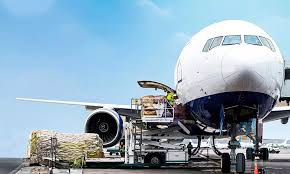
The path you choose sets the tone for your entire shipment. Air cargo to India is your express lane. It’s perfect for urgent documents, high-value electronics, samples, or perishable goods. Major hubs like Indira Gandhi International Airport in Delhi and Chhatrapati Shivaji Maharaj International Airport in Mumbai offer global connectivity, with transit times measured in days, not weeks. The trade-off is cost. Sea freight to India is the backbone of trade. It’s the most sensible way to move large volumes, heavy machinery, vehicles, or non-urgent household goods. Ports like Nhava Sheva (JNPT) in Mumbai, Chennai Port, and Mundra Port are massive gateways. While far more economical, especially for full container loads (FCL), you must plan for longer transit times and the crucial “last mile” journey by road or rail to its final inland destination.
The Make-or-Break World of Documentation and Customs
This is where expert guidance is not just helpful—it’s essential. Indian customs and port authority procedures are famously detailed. Incorrect or incomplete paperwork is the primary reason for shipments being held, incurring steep demurrage charges at the port. The absolute must-have documents include a detailed Commercial Invoice, a precise Packing List, and the Bill of Lading (for sea) or Air Waybill. A Certificate of Origin is often required. Critically, many goods require specific licenses or permits from Indian authorities. A seasoned freight forwarder specializing in India will know these requirements inside and out. They will ensure your Harmonized System (HS) codes are accurate and help you navigate potential assessments from agencies like the Food Safety and Standards Authority of India (FSSAI) for food items. This proactive paperwork management is the shield against delays.
Preparing Your Cargo for the Journey
The trip to India is demanding. Cargo faces humidity, multiple handlings, and varied transport conditions. Professional packing is a wise investment. For sea freight, items should be securely crated and palletized. Wooden packaging must often be ISPM 15 certified, meaning it is heat-treated or fumigated to prevent pest transfer. For personal effects, a detailed inventory list created by professional packers is invaluable for both insurance and customs. Speaking of insurance, it is non-negotiable. Secure comprehensive marine or air cargo insurance that covers the entire door-to-door journey. The nominal cost is a small price for the profound peace of mind it provides, protecting you from loss or damage at any stage.
Choosing Your Logistics Partner: The Local Connection
Your choice of freight forwarder is the most critical factor in your shipment’s success. You need a partner with a verified, strong network on the ground in India. Look for a company that has its own offices or trusted, long-term agents in key cities like Mumbai, Delhi, Bangalore, and Chennai. This local presence is irreplaceable for clearing customs efficiently, arranging inland trucking, and solving problems in real-time. When vetting partners, ask for references from clients who ship similar goods. Request a detailed, all-inclusive quote that clearly lists freight charges, customs clearance fees, port handling charges, and inland delivery costs. Beware of quotes that seem unusually low; they often exclude critical local charges that will surprise you later.
Tracking and Patience: The Final Stretch
Once your shipment is en route, use the tracking numbers provided (container number for sea, air waybill for air) to monitor its progress. Maintain open communication with your forwarder. While modern tracking is excellent, be prepared for potential administrative delays at Indian ports, especially during peak seasons. Ensure your consignee in India has all necessary documentation copies and is ready to assist their local agent if needed. A successful delivery to India is a symphony of careful planning, expert execution, and clear communication from origin to final destination.
Arriving with Confidence
Shipping cargo to India is a significant undertaking, but it is a well-trodden and manageable path. By understanding your shipping options, respecting the importance of flawless documentation, preparing your cargo robustly, and, above all, partnering with a freight forwarder that possesses genuine on-the-ground expertise in India, you transform a complex process into a streamlined operation. This allows you to focus on the purpose of your shipment—building your business, connecting with family, or sharing your work—with the confidence that the physical journey of your goods is in capable hands. With the right preparation, your cargo will not just arrive; it will arrive ready to fulfill its role in the incredible tapestry of India.