
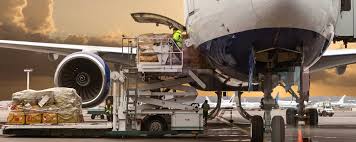
Sending a shipment to India marks the start of an important journey. It could be machinery for a factory in Pune, samples for a trade show in Delhi, or a box of cherished family items headed to Chennai. The distance feels vast, and the process can seem tangled in rules and paperwork. But with a clear map, what feels complex becomes manageable. Successfully moving cargo to India hinges on understanding your options, preparing meticulously, and partnering with the right experts. This isn’t just about transport; it’s about careful planning to ensure your shipment arrives safely, on time, and without unexpected costs or delays.
Choosing Your Path: Air Freight vs. Sea Freight
Your first and biggest decision is between speed and cost. Air cargo to India is your fast track. If your goods are urgent, high-value, perishable, or relatively small, this is the answer. Major hubs like Indira Gandhi International in Delhi and Chhatrapati Shivaji Maharaj in Mumbai offer global links. Transit is a matter of days. The trade-off is a higher price per kilogram. Sea freight to India is the economical choice for volume. It’s perfect for heavy machinery, bulk commodities, or large personal effects. Ports like Nhava Sheva (JNPT) in Mumbai, Chennai Port, and Mundra are key gateways. While far cheaper, it requires patience, with transit times of several weeks plus inland delivery.
The Critical Role of Documentation and Customs
This stage is where preparation truly pays off. Indian customs procedures are detailed and strict. Incomplete paperwork is the primary cause of costly delays and storage fees at the port. Essential documents always include a detailed Commercial Invoice, a precise Packing List, and a Bill of Lading (sea) or Air Waybill. Many goods require additional certificates, like a Certificate of Origin or specific licences from Indian authorities. A forwarder specializing in India will ensure your Harmonized System codes are accurate and help navigate assessments from agencies like FSSAI for food. This proactive management is your shield against frustration.
Preparing Your Cargo for the Journey
The trip to India is demanding. Cargo faces humidity, multiple handlings, and varied road conditions. Professional packing is a wise investment. For sea freight, items should be securely crated and palletized. Wooden packaging often requires ISPM 15 certification (heat-treated) to prevent pest transfer. For personal effects, a detailed inventory from professional packers aids customs and insurance. Crucially, insure your shipment. Obtain comprehensive marine or air cargo insurance covering the entire door-to-door journey. The modest cost buys immense peace of mind, protecting you from loss or damage at any stage.
Selecting Your Logistics Partner: The Local Link
Your choice of freight forwarder is the most critical factor. You need a partner with a verified, strong network on the ground in India. Look for a company with its own offices or trusted agents in key cities like Mumbai, Delhi, Bangalore, and Chennai. This local presence is vital for clearing customs efficiently and arranging reliable inland trucking. When vetting partners, ask for client references and a detailed, all-inclusive quote. Beware of prices that seem too low; they often exclude critical local charges. A true partner acts as your single point of contact, simplifying the complex chain.
Understanding Costs and Managing Timelines
A clear quote should break down all charges: ocean/air freight, customs clearance fees, port handling, and inland delivery. Be aware of duties and taxes (GST) in India, which your forwarder can estimate. Patience is key. Even with perfect planning, administrative delays can occur. Use tracking numbers provided to monitor progress. Maintain open communication with your forwarder and your consignee in India. Ensure your recipient has document copies and is ready to assist the local agent if needed. Realistic expectations prevent last-minute stress.
Navigating India’s Major Ports and Hubs
Each Indian port has its specialties. JNPT (Mumbai) is the largest container port. Chennai serves the south and automotive industry. Mundra is a fast-growing private port. Kolkata handles cargo for the east and landlocked Nepal. Your forwarder will choose the optimal port based on your final destination and cargo type. For inland cities, efficient road or rail links from the port are essential. Knowledge of these hubs and corridors is part of a forwarder’s expertise, ensuring the most efficient routing for your cargo to India.
The Final Mile: Delivery Across India
The journey doesn’t end at the Indian port. The “last mile” – delivery to a warehouse in Gujarat, a factory in Haryana, or a home in Kerala – is a crucial phase. Your forwarder’s local agent manages this. They arrange for customs clearance, pay duties, and coordinate transport via a trusted trucking partner. This requires local knowledge of road networks, regulations, and languages. A seamless handoff from ship to local truck is what turns an arrival into a successful delivery.
Ensuring a Smooth and Successful Shipment
Shipping cargo to India successfully is a testament to good planning. It connects markets, supports projects, and reunites families. The formula is clear: choose the right transport method, prepare flawless documentation, pack for durability, insure fully, and, most importantly, partner with a freight forwarder possessing genuine on-the-ground expertise in India. They are your guide, translator, and problem-solver. With this approach, you can navigate the process with confidence, ensuring your cargo fulfills its purpose and arrives ready to contribute to the vibrant tapestry of India.