
Introduction
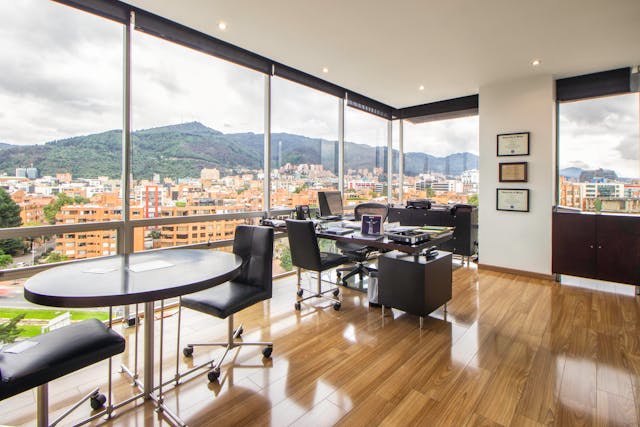
A Glass Room is often chosen by people who want a space that feels open, bright, and modern without losing structure. Instead of heavy solid walls, the room relies on glass walls and clean framing to create separation while keeping visual flow.
A well-planned Glass Room can look premium, feel comfortable, and improve how a space is used—whether it’s for work, relaxing, or hosting. When it’s designed well, a Glass Room can become the most loved spot in the building.
What a Glass Room really is
In simple terms, a Glass Room is an enclosed or semi-enclosed area built with glass as a primary surface. In offices, it might be a transparent meeting room that supports collaboration while keeping the workspace organized.
At home, it may resemble sunroom ideas or a conservatory extension that adds year-round comfort and natural light.
Designers often treat a Glass Room as a “light-catcher.” It can visually expand smaller layouts, create a focal point, and connect people with the outdoors—especially when biophilic design elements like plants, stone textures, and warm wood finishes are included.
Many homeowners also use a Glass Room as a hybrid space—part reading nook, part indoor garden, part calm corner for daily routines.
Key benefits people love
1) More light, less heaviness
One major reason a Glass Room stays popular is how it distributes natural light. It reduces dark corners, improves mood, and makes interiors look larger. When paired with glare control (like proper orientation, sheer curtains, tinted options, or coatings), it stays comfortable even during bright hours.
In many projects, the brighter environment also reduces daytime dependence on artificial lighting.
2) A modern look that fits many styles
A Glass Room matches modern interior design naturally, but it also works with warm, cozy themes when balanced with soft textures and natural finishes. Adding minimalist decor—think clean lines, neutral colors, and a few statement pieces—keeps it elegant rather than cluttered.
Even small touches like a textured rug, linen chairs, or a wood-tone table can make the space feel inviting instead of cold.
3) Flexible zoning without feeling “closed off”
In an open-plan office or open living area, glass acts like a room divider that keeps spaces organized without making them feel boxed in. That’s helpful for creating a quiet work zone, a reading nook, or a small studio area while maintaining an airy feel. A Glass Room is especially useful when people want separation for focus, but still want the space to feel connected and social.
Planning and layout tips that actually matter
Choose the purpose first
A Glass Room works best when it has a clear job: meeting space, home office, lounge, reading space, or dining zone. Once the purpose is defined, it becomes easier to plan seating, lighting, and storage without overcrowding the room. For example, a workspace layout may prioritize desk placement and cable management, while a relaxation zone might focus on comfort seating and soft lighting.
Prioritize comfort features early
People often focus on the look and forget practical comfort. A ventilation system (or at least planned airflow) prevents heat buildup. For warmer climates, energy-efficient glazing can reduce heat gain while still letting in light. Good lighting is also key: layered lighting (ambient + task + accent) keeps the room usable after sunset. If the space faces strong sun, adding shades plus smart placement of furniture can improve comfort dramatically.
Pick the right glass type
For most builds, tempered glass panels are a common choice due to strength and everyday durability. For added security and peace of mind, laminated safety glass helps reduce risk and can perform better if impact occurs. These choices matter just as much as the layout because they influence safety, sound, and long-term satisfaction—especially in busy homes, high-traffic offices, or spaces with kids and pets.
Privacy and noise: how people solve the “glass problem”
Privacy options (without ruining the style)
A Glass Room doesn’t have to feel like a display case. Many spaces use frosted glass to soften visibility while keeping brightness. Another popular solution is privacy film, which can be applied in patterns or partial coverage (for example, clear above eye level and frosted below). This keeps the room open-looking, but still comfortable for real daily use.
For tech-forward spaces, smart glass offers switchable privacy—clear when open and opaque when privacy is needed. It tends to cost more, but it can reduce the need for blinds and can look extremely clean in modern builds.
Acoustic comfort for real-life use
If the room will be used for calls, meetings, or focused work, sound matters. Soundproof glass and thoughtful acoustic insulation around frames and seals can greatly reduce distractions. Even small upgrades—like better door seals, a soft rug, fabric seating, and acoustic wall panels—can reduce echo and improve comfort. In office setups, this helps a Glass Room feel professional instead of “see-through but noisy.”
Styling ideas that keep it functional
A Glass Room looks best when it stays simple and purposeful. Over-decorating can make the space feel busy and reduce the clean, airy effect. A few practical styling approaches that work well:
- Add plants for a biophilic design vibe (low-maintenance options like snake plants or pothos work great).
- Use rugs and fabric seating to soften the feel and improve acoustics.
- Keep storage minimal and hidden to maintain the “light and open” look.
- Use strategic lighting to highlight the glass at night without harsh reflections or extra glare control issues.
To make the space feel finished, many designers add a focal element—like a single art piece, a warm pendant light, or a statement chair—while keeping everything else clean and balanced.
Maintenance and safety basics
A Glass Room stays impressive when it’s easy to maintain. Microfiber cloths and gentle cleaners usually keep glass clear without streaks. For safety and longevity, it helps to:
- Use quality hardware and strong framing
- Avoid harsh abrasives on coatings
- Check hinges, seals, and tracks regularly
- Ensure edges and corners are properly finished during installation
In everyday use, consistent cleaning and small checkups help the room stay crystal-clear, quiet, and stable for years.
Quick FAQ
Is it practical in smaller spaces?
Yes. A Glass Room can make small spaces feel larger because it keeps sightlines open while still providing separation. It’s one of the easiest ways to create an “extra room” feel without making a home look smaller.
Does it get too hot?
It can if planning is weak. With energy-efficient glazing, proper shading, glare control, and a ventilation system, temperature can be managed comfortably.
Is it only for offices?
Not at all. Many homeowners use a Glass Room for reading corners, indoor gardens, dining areas, and lounge zones—especially when the goal is more natural light.
Conclusion
A Glass Room works best when it balances beauty with comfort: smart layout, the right glass choice, and privacy/acoustic features that match how the space will be used. When those pieces come together, it becomes a bright, modern space that feels welcoming—without sacrificing practicality. For homes and workplaces alike, a well-designed Glass Room often becomes the space people naturally gravitate toward.