
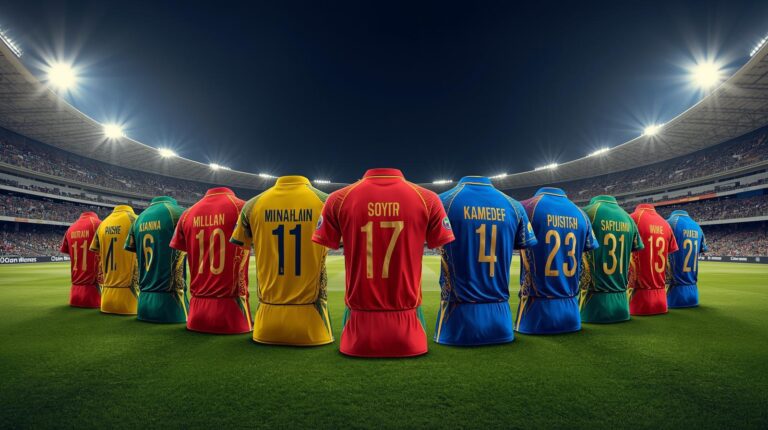
Cricket jerseys have become one of the most recognizable elements of the sport. From local club matches to international tournaments watched by millions of fans, the jersey a team wears carries meaning beyond simple clothing. It represents identity, pride, and the culture of cricket itself. Over the years, cricket jerseys have evolved dramatically, moving from traditional white uniforms to vibrant modern designs that reflect team branding and technological innovation.
Today, cricket jerseys are not only worn by professional players but also by amateur teams, fans, and cricket lovers around the world. The combination of comfort, durability, and stylish designs has made them an essential part of cricket culture. In this article, we will explore the history, design, materials, importance, and selection tips related to cricket jerseys, helping readers understand why they play such a significant role in the sport.
The Evolution of Cricket Jerseys Through History
Cricket jerseys were not always colorful or highly designed as they are today. The earliest forms of cricket clothing were very simple and mainly focused on tradition rather than performance.
The Era of Traditional White Clothing
In the early days of cricket, players wore completely white clothing. Test cricket, which remains the longest and most traditional format of the game, still follows this practice today. White clothing was chosen mainly because it reflected sunlight and kept players relatively cooler during long matches played under the sun.
These early cricket jerseys were typically made from cotton fabric. While cotton was comfortable, it absorbed sweat quickly and could become heavy during long matches.
Introduction of Colored Cricket Jerseys
The introduction of limited-overs cricket in the late twentieth century completely changed the appearance of cricket jerseys. When day-night matches became popular, teams started wearing colored jerseys so they could be clearly seen under stadium lights.
This shift also introduced team logos, sponsor branding, and unique color schemes. Fans quickly connected with these designs, and cricket jerseys became an important part of team identity.
Modern Cricket Jerseys and Their Advanced Design
Modern cricket jerseys are carefully designed using sports science and fabric technology. They are created to support players during long matches while also representing the visual identity of the team.
Performance-Focused Design
Professional cricket jerseys are designed to allow maximum freedom of movement. Cricket involves batting, bowling, diving, and sprinting, so jerseys must stretch comfortably and avoid restricting motion.
Designers often use athletic cuts that fit the body without being too tight. Ventilation zones are also added to improve airflow and reduce heat buildup during intense matches.
Visual Identity and Team Branding
Another important aspect of modern cricket jerseys is their visual appeal. Each team typically has a unique color scheme and design pattern that reflects its heritage and fan base.
Bold colors, geometric patterns, and modern typography are commonly used to make jerseys stand out on television and in stadiums. This strong visual identity helps fans feel connected to their favorite teams.
Materials Used in Cricket Jerseys
The materials used in cricket jerseys have improved significantly over time. Modern fabrics are designed to enhance comfort, durability, and performance.
Polyester and Synthetic Blends
Most modern cricket jerseys are made from polyester or synthetic fabric blends. These materials are lightweight and allow moisture to evaporate quickly, helping players stay dry even during long matches.
Unlike traditional cotton jerseys, polyester fabrics do not absorb sweat heavily. This keeps the jersey light and comfortable throughout the game.
Breathable and Moisture-Wicking Fabrics
Advanced moisture-wicking fabrics pull sweat away from the body and allow it to evaporate quickly. This technology helps regulate body temperature and prevents overheating during hot weather conditions.
Many cricket jerseys also include mesh panels that improve airflow around the shoulders and sides, providing additional ventilation.
Durable Stitching and Reinforcement
Cricket can be physically demanding, especially for fielders who dive to stop the ball. Modern cricket jerseys are designed with reinforced stitching so they can withstand repeated stretching and movement without tearing.
Durability is particularly important for professional players who train and compete regularly.
The Importance of Cricket Jerseys in Team Identity
Cricket jerseys play an important psychological and symbolic role for teams and fans alike.
Building Team Unity
When players wear the same cricket jerseys, it creates a sense of unity and belonging. Team uniforms remind players that they are working together toward a common goal.
For professional teams, the jersey represents years of tradition and the pride of representing their country or club.
Connection Between Fans and Teams
Cricket jerseys are also extremely popular among fans. Wearing the same jersey as a favorite team allows supporters to feel more connected to the game.
During major tournaments, stadiums often become seas of color as thousands of fans wear identical cricket jerseys to show their support.
How Cricket Jerseys Improve Player Performance
Although cricket jerseys may appear simple, their design actually contributes to player comfort and performance.
Temperature Control
Cricket matches often last several hours and sometimes multiple days. Lightweight cricket jerseys help players stay cool by allowing air to circulate around the body.
Proper temperature regulation can improve concentration and reduce fatigue during long matches.
Freedom of Movement
Bowling actions, batting strokes, and quick fielding movements require flexibility. Modern cricket jerseys are designed to stretch and move naturally with the player’s body.
This freedom of movement allows athletes to perform at their best without feeling restricted by their clothing.
Reduced Sweat Discomfort
Sweat can become uncomfortable during intense physical activity. Moisture-wicking cricket jerseys reduce this issue by keeping the fabric dry and preventing heavy sweat buildup.
Tips for Choosing the Right Cricket Jerseys
Selecting the right cricket jerseys can make a noticeable difference in comfort and performance. Whether for a professional team or a local club, several factors should be considered.
Choosing the Right Fabric
Lightweight synthetic fabrics are usually the best option because they provide breathability and moisture management. Players who compete in hot climates should prioritize jerseys with good ventilation features.
Selecting a Comfortable Fit
A good cricket jersey should fit comfortably without being too tight or too loose. Athletic fits are often ideal because they allow natural movement during batting, bowling, and fielding.
Considering Durability
Teams that play frequently should choose cricket jerseys made with strong stitching and durable fabrics. This ensures the jerseys last through many matches and practice sessions.
Design and Color Selection
The visual design of cricket jerseys is also important, especially for teams that want to build a strong identity. Colors and patterns should represent the team while remaining comfortable to wear during matches.
The Growing Popularity of Custom Cricket Jerseys
Custom cricket jerseys have become increasingly popular among local teams, schools, and amateur leagues. Customization allows teams to create unique designs that represent their identity.
Teams can add player names, numbers, logos, and special graphics to their cricket jerseys. This personalization makes the jerseys more meaningful and memorable for players and supporters.
Custom cricket jerseys also help small teams look more professional, creating a stronger sense of pride and unity.
The Role of Cricket Jerseys in Global Cricket Culture
Cricket jerseys have become symbols of national pride during international tournaments. Fans around the world instantly recognize teams by their colors and designs.
From packed stadiums to neighborhood cricket grounds, cricket jerseys are worn with passion and excitement. They are not just sportswear; they represent the emotions, history, and traditions connected with the game.
Even people who do not play cricket often collect cricket jerseys as memorabilia, celebrating their favorite teams and unforgettable tournaments.
The Future of Cricket Jerseys
The future of cricket jerseys is likely to include even more technological advancements. Sportswear designers are constantly developing new fabrics that improve breathability, flexibility, and durability.
Smart textiles, temperature-regulating fabrics, and eco-friendly materials may soon become common in cricket jerseys. These innovations will help players perform better while also reducing environmental impact.
Design trends will also continue evolving as teams experiment with new patterns and colors to engage fans and create memorable visual identities.
Conclusion
Cricket jerseys have come a long way from the simple white uniforms worn in the early days of the sport. Today, they combine advanced fabric technology, modern design, and strong cultural symbolism. Whether worn by professional athletes or passionate fans, cricket jerseys represent the spirit of the game and the pride of belonging to a team.
Their role goes far beyond basic sports clothing. Cricket jerseys support player performance, strengthen team identity, and connect millions of fans to the sport they love. As cricket continues to grow worldwide, these jerseys will remain an essential part of the game’s visual and emotional identity.