
Modern cities need reliable power and communication systems every day. Homes need electricity for lights and appliances. Offices need internet and data connections. Hospitals need constant power to run equipment. To support all these needs, engineers design safe underground systems to carry cables. One of the most trusted solutions is a duct bank system.
A duct bank system protects electrical and communication cables under the ground. It keeps them safe from pressure, moisture, heavy traffic loads, and accidental damage. Contractors use duct bank systems in highways, airports, commercial buildings, industrial plants, and large residential developments.
In this blog, you will learn what a duct bank system is, how it works, its main parts, benefits, installation process, and why it plays an important role in modern infrastructure.
What Is a Duct Bank System?
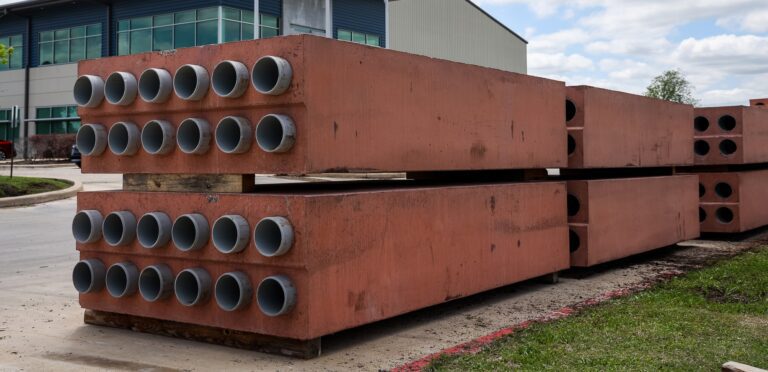
A duct bank system is a group of conduits arranged together and covered with concrete. These conduits carry electrical wires, fiber optic cables, and communication lines. The concrete protects the conduits from outside damage.
Instead of placing each conduit separately in the soil, contractors bundle them together in one organized structure. They then pour concrete around the conduits to form a strong protective block. This structure creates a safe underground pathway for utilities.
The duct bank system keeps cables stable, organized, and protected for many years.
Why Underground Cable Protection Matters
Underground cables face many risks. Soil can shift over time. Heavy trucks and cars can create pressure from above. Water can enter and cause corrosion. Construction work can accidentally damage buried cables.
When cables get damaged, power outages and communication failures can happen. Repairs can cost a lot of money and take time to fix. Businesses may lose productivity. Residents may lose electricity or internet service.
A duct bank system reduces these risks. It provides strong protection and increases the life of the cables.
Main Components of a Duct Bank System
A duct bank system includes several key parts. Each part plays an important role in keeping the system safe and efficient.
Conduits
Conduits are pipes that carry cables. Contractors usually make them from PVC, HDPE, or fiberglass. These materials resist moisture and corrosion. Engineers choose the right material based on the project’s environment and load requirements.
Concrete Encasement
Concrete surrounds the conduits. It forms a strong outer shell that protects the cables from soil pressure and heavy loads. Many projects use reinforced concrete with steel bars to increase strength.
Spacers
Spacers keep the conduits evenly separated. Proper spacing allows heat to escape and prevents cables from overheating. Spacers also keep the conduits stable during concrete pouring.
Manholes and Pull Boxes
Manholes and pull boxes provide access points for maintenance and cable pulling. Workers use these access points to inspect, repair, or replace cables when needed.
How a Duct Bank System Works
Engineers begin by designing the duct bank system based on the project’s power and communication needs. They calculate how many conduits are required and decide their size and arrangement.
Contractors then dig a trench along the planned route. They prepare a stable base using compacted soil or gravel. Next, they place spacers and conduits inside the trench.
After proper alignment, workers pour concrete around the conduits. They allow the concrete to cure and harden. Once it reaches full strength, they backfill the trench and compact the soil.
The finished duct bank system acts as a protective tunnel. It shields cables from:
- Heavy traffic loads
- Soil pressure
- Ground movement
- Water intrusion
- Accidental digging
This system keeps underground utilities safe and reliable.
Benefits of a Duct Bank System
A duct bank system offers many strong benefits.
Strong Protection
Concrete encasement protects cables from crushing and damage. The system handles heavy loads from vehicles and construction equipment.
Organized Utility Network
Bundling conduits together keeps underground utilities neat and organized. This organization makes future expansion easier.
Long Service Life
A well-built duct bank system can last for decades. Concrete resists environmental stress and soil movement.
Lower Maintenance Costs
Because the system protects cables from damage, it reduces the need for repairs. Fewer repairs mean lower long-term costs.
Improved Safety
The duct bank system reduces the risk of electrical accidents. It keeps high-voltage cables secure and prevents exposure.
Common Applications of Duct Bank Systems
Many industries use duct bank systems to protect underground utilities.
Highways and Road Projects
Roadways require power for streetlights, traffic signals, and monitoring systems. Heavy vehicles pass over these areas every day. Agencies such as the Federal Highway Administration set safety standards for transportation infrastructure. Duct bank systems help contractors meet these standards and ensure long-term durability.
Airports
Airports use duct bank systems to protect runway lighting and communication cables. Aircraft create heavy loads, so strong underground protection is necessary.
Commercial Developments
Shopping centers, office buildings, and apartment complexes need steady power and data connections. Duct bank systems provide organized and protected cable routes.
Industrial Facilities
Factories and plants use high-voltage cables to power machinery. Duct bank systems protect these cables from vibration and heavy equipment.
Utility Substations
Power companies install duct bank systems to manage large groups of cables near substations. This design improves organization and safety.
Duct Bank System vs. Direct Burial
Some projects use direct burial, where workers place cables directly in the soil without concrete protection. This method costs less at the beginning, but it offers less protection.
Direct burial increases the risk of cable damage from soil movement or digging. Repairs can become expensive and time-consuming.
A duct bank system costs more upfront, but it provides stronger protection and longer service life. For critical infrastructure projects, engineers often choose duct bank systems.
Important Design Considerations
Engineers must consider several factors when designing a duct bank system.
Load Capacity
The system must handle soil weight and surface traffic loads. Engineers calculate these forces carefully to prevent cracking.
Thermal Management
Electrical cables produce heat during operation. Proper spacing between conduits allows heat to escape and prevents overheating.
Drainage
Water can damage cables and reduce system life. Designers include proper drainage systems to prevent water buildup.
Future Expansion
Engineers often include extra conduits for future growth. This planning saves time and money later.
Installation Process in Simple Steps
The installation process follows clear steps:
First, workers excavate the trench according to the design plan.
Second, they prepare a stable base with compacted soil or gravel.
Third, they place spacers and conduits inside the trench.
Fourth, they pour concrete around the conduits.
Fifth, they allow the concrete to cure and gain strength.
Finally, they backfill and compact the soil.
This process creates a strong and reliable underground system.
Maintenance and Inspection
Duct bank systems require minimal maintenance. However, utility companies perform regular inspections to ensure long-term performance.
They check manholes and pull boxes for:
- Water intrusion
- Cable condition
- Ground settlement
Because concrete provides strong protection, the system usually performs well for many years without major repairs.
Environmental Benefits
Duct bank systems support sustainable construction practices. Long-lasting materials reduce the need for frequent replacements. Organized cable systems reduce unnecessary excavation during maintenance.
By preventing cable damage, duct bank systems reduce power failures and service disruptions. This stability benefits communities and businesses.
The Future of Duct Bank Systems
Cities continue to grow, and demand for electricity and data increases every year. Electric vehicle charging stations, renewable energy systems, and smart city technology require strong underground infrastructure.
Duct bank systems will continue to support these developments. Engineers improve materials and designs to increase strength and efficiency. Modern construction methods also speed up installation.
As infrastructure becomes more complex, duct bank systems remain a reliable solution.
Conclusion
A duct bank system provides strong protection for underground electrical and communication cables. It organizes utilities, improves safety, and extends service life. Contractors use it in highways, airports, commercial buildings, industrial plants, and utility projects.
By protecting cables from soil pressure, water, and heavy loads, duct bank systems reduce maintenance costs and prevent service interruptions. They play an essential role in modern infrastructure.