
Understanding the Importance of Early Years Education
Early years education plays a critical role in shaping a child’s cognitive, emotional, and social development. From birth to the age of five, children experience rapid brain growth, forming neural connections that influence learning capacity, behavior, and overall well-being. Quality early years education provides structured opportunities for exploration, communication, creativity, and problem-solving, helping children build confidence and curiosity. Research consistently shows that children who receive strong early education are more prepared for primary school and demonstrate better academic and social outcomes later in life. Investing in these foundational years is not just beneficial for individuals but also for communities and societies.
The Developmental Milestones in Early Childhood
During the early years, children develop essential skills that serve as building blocks for future learning. Language acquisition expands rapidly as children begin forming sentences and understanding complex instructions. Motor skills improve through play, physical activities, and hands-on experiences. Emotional intelligence develops as children learn to recognize feelings and interact with peers. High-quality early years education environments are designed to support these milestones through guided learning experiences. By aligning teaching strategies with developmental stages, educators ensure that each child progresses at a comfortable pace while gaining the skills necessary for lifelong success.
The Role of Play in Early Years Education
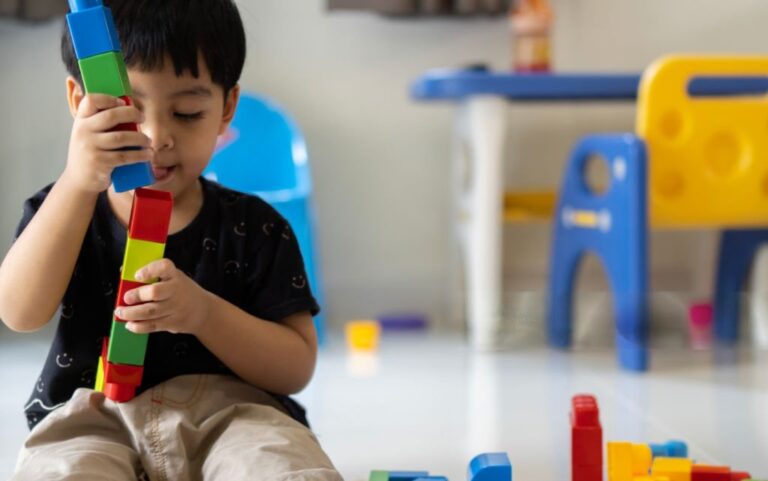
Play is often described as the language of childhood. In early years education, play-based learning is not just recreational but educationally purposeful. Through imaginative play, children enhance creativity and problem-solving abilities. Structured play activities help improve literacy and numeracy skills in engaging ways. Social play encourages collaboration, empathy, and communication. Effective early years education programs incorporate play as a central method of teaching because it allows children to explore concepts naturally. When children learn through play, they are more motivated and better able to retain new knowledge.
Creating a Nurturing Learning Environment
A safe and nurturing environment is essential for successful early years education. Classrooms should be welcoming spaces where children feel valued and supported. Positive relationships between educators and learners build trust and encourage participation. Structured routines provide stability while allowing flexibility for exploration. An environment that balances guidance with independence fosters resilience and confidence. When children feel emotionally secure, they are more willing to take risks in learning and express themselves openly, leading to stronger developmental outcomes.
The Impact of Qualified Educators
The quality of early years education largely depends on the expertise of educators. Trained professionals understand child psychology, developmental milestones, and effective teaching strategies. They can identify individual learning needs and adapt lessons accordingly. Skilled educators also collaborate with parents to ensure consistent support between home and school environments. Continuous professional development ensures that teachers stay updated with evolving best practices. When early years education is delivered by qualified and passionate educators, children benefit from enriched experiences that promote holistic growth.
The Connection Between Early Education and Academic Success
Strong foundations in early years education significantly influence long-term academic achievement. Children exposed to structured learning early on demonstrate better literacy and numeracy skills in primary school. Early exposure to language-rich environments enhances vocabulary development and reading readiness. Problem-solving skills developed in early childhood contribute to improved performance in mathematics and science later. By focusing on comprehensive early years education, institutions help children transition smoothly into formal schooling, reducing learning gaps and increasing confidence.
Social and Emotional Development in Early Years Education
Beyond academics, early years education supports social and emotional development. Children learn how to share, cooperate, and manage emotions within a supportive setting. Educators model positive behavior and conflict resolution techniques, helping children develop empathy and respect. Emotional stability gained during early childhood often translates into better classroom behavior and peer relationships in later years. A well-rounded early years education program recognizes that social skills are as important as academic skills, creating balanced individuals prepared for future challenges.
The Role of Parental Involvement
Parents play a vital role in reinforcing early years education outside the classroom. When families actively engage in their child’s learning journey, outcomes improve significantly. Reading together, encouraging curiosity, and maintaining open communication with educators strengthen the impact of early education. Institutions that prioritize parent engagement create a collaborative partnership that benefits the child. Regular updates, workshops, and feedback sessions help align home and school strategies. Such collaboration ensures that early years education remains consistent and supportive across environments.
Adapting Early Years Education to Modern Needs
Modern early years education must evolve alongside technological and societal changes. Digital tools, when used responsibly, can enhance learning experiences by introducing interactive educational resources. However, maintaining a balance between screen time and hands-on activities is essential. Cultural awareness and inclusive teaching practices also play an important role in diverse classrooms. Programs that embrace innovation while preserving foundational principles of child development provide a comprehensive approach to early years education in today’s world.
Preparing Children for a Bright Future
The long-term benefits of effective early years education extend far beyond primary school. Children develop resilience, independence, and a love for learning that shapes their future pathways. By nurturing creativity and critical thinking at a young age, educators empower children to adapt confidently to new environments. Early education builds the mindset needed for lifelong growth and achievement. When communities prioritize early years education, they create stronger foundations for future generations.
Why Quality Early Years Education Matters
Choosing the right institution for early years education is one of the most important decisions families make. A program that emphasizes holistic development, qualified teaching staff, and a nurturing environment ensures that children thrive. IQE Academy is committed to delivering high standards in early years education, focusing on structured learning, creativity, and character development. Through carefully designed programs and dedicated educators, IQE Academy supports children in building strong foundations that prepare them for academic and personal success. Investing in quality early education today shapes confident, capable leaders of tomorrow.