
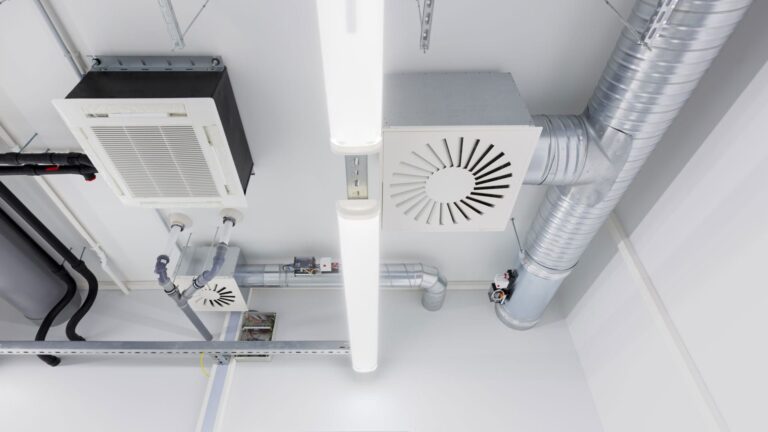
Your Heating and Cooling System plays a crucial role in maintaining your home’s comfort, but did you know it can also be a major contributor to your energy bills? With rising energy costs and growing environmental concerns, optimising your HVAC System performance is more critical than ever. The good news is that there are plenty of simple strategies you can implement today to improve efficiency and save money. Whether you’re looking for daily habits or advanced upgrades, this guide will help you unlock the full potential of your Heating and Cooling System while minimising energy waste. Let’s dive into practical tips that will keep your home comfortable without breaking the bank!
Understanding Heating and Cooling System Efficiency
Heating and Cooling System efficiency refers to how effectively your heating, ventilation, and air conditioning unit uses energy to maintain comfortable indoor temperatures. A high-efficiency system not only keeps you cozy but also significantly lowers your energy consumption. To gauge efficiency, look at the Seasonal Energy Efficiency Ratio (SEER) for cooling systems and the Annual Fuel Utilisation Efficiency (AFUE) for heating units. Higher ratings indicate better performance.
Various factors influence HVAC efficiency. These include the age of your system, the quality of your home’s insulation, and even the integrity of your ductwork. An old or poorly maintained unit can waste substantial amounts of energy. By understanding these elements, homeowners can make informed decisions about upgrades or maintenance strategies that could enhance their Heating and Cooling System’s overall performance. It’s all about maximising comfort while minimising costs!
Simple Daily Habits to Reduce Energy Waste
Minor adjustments in daily habits can lead to noticeable energy savings and a more efficient home. By making conscious choices about heating, cooling, and appliance use, you can reduce energy consumption while maintaining comfort.
Adjust Thermostat Settings
Raising your thermostat slightly in summer and lowering it in winter can have a significant impact. Even a single-degree change reduces energy usage without compromising comfort.
Utilise Ceiling Fans
Ceiling fans help circulate air effectively, allowing you to feel cooler in summer and warmer in winter. This reduces reliance on Heating and Cooling Systems and lowers energy bills.
Keep Doors and Windows Closed
Maintaining closed doors and windows while heating or cooling keeps conditioned air inside. This prevents energy loss and decreases the workload on your Heating and Cooling System.
Manage Heat-Producing Appliances
Be strategic with appliances like ovens, dryers, and dishwashers during peak hours. Minimising simultaneous use reduces strain on your heating and cooling systems, improving overall efficiency.
Foster Energy-Conscious Habits
Encourage all household members to adopt energy-saving practices. When everyone participates, small efforts combine to yield a noticeable reduction in energy consumption, fostering an environmentally friendly, cost-effective lifestyle.
Incorporating these simple strategies into your daily routine not only saves energy but also prolongs the lifespan of your Heating and Cooling System. Over time, these small changes can lead to substantial savings while promoting a comfortable and sustainable living environment for your family.
The Importance of Regular HVAC Maintenance
Regular HVAC maintenance is essential for ensuring your system operates at peak performance while minimising the risk of unexpected breakdowns. By scheduling routine inspections and upkeep, potential issues can be identified early, preventing minor problems from escalating into costly repairs. These preventive measures not only protect the system but also extend its overall lifespan, helping homeowners get the most value from their investment. A well-maintained Heating and Cooling System operates more efficiently, consumes less energy, and reduces monthly utility bills, which is particularly important in regions with extreme seasonal temperatures.
Routine maintenance also plays a critical role in maintaining indoor air quality. Changing filters, cleaning ducts, and checking for blockages or debris help reduce the circulation of dust, allergens, and other pollutants. This creates a healthier living environment, benefiting everyone in the home, especially those with respiratory conditions or sensitivities. Clean, well-functioning components ensure that air is circulated effectively, maintaining consistent temperatures and humidity levels throughout your home.
Professional seasonal inspections provide additional reassurance, as trained technicians can fine-tune system settings, identify worn or damaged parts, and perform adjustments that may not be obvious to homeowners. These inspections can help prevent costly emergency repairs, extend the system’s operational life, and improve overall efficiency.
Prioritising regular HVAC maintenance ultimately saves time, money, and stress by preventing sudden failures when you rely on your system most. A consistent maintenance schedule ensures your home remains comfortable year-round while supporting energy efficiency, safety, and optimal air quality. Investing in upkeep today protects your system and promotes a reliable, comfortable living environment for years to come.
How Programmable Thermostats Save Energy
Programmable thermostats are a game-changer for energy efficiency. They let you set specific temperatures for different times of day, aligning your Heating and Cooling System’s operation with your schedule. By automatically adjusting heating and cooling when you’re away, these devices reduce unnecessary energy use—no more wasting power on an empty house!
Many models come with features like remote access via smartphone apps. This lets you tweak settings even when you’re not home, ensuring optimal performance. Additionally, some smart thermostats learn your habits over time. They can adapt their programming based on your preferences and routines, further enhancing efficiency. Using a programmable thermostat not only lowers bills but also contributes to a greener environment by reducing overall energy consumption. Many homeowners notice significant savings within just months of installation!
Optimising Airflow for Maximum Efficiency
Optimising airflow is crucial for getting the most out of your Heating and Cooling System. Proper airflow ensures that conditioned air reaches every corner of your home efficiently. Start by checking your vents and registers. Ensure they’re not blocked by furniture or curtains. Even a small obstruction can significantly hinder performance.
Next, consider adjusting the dampers in your ductwork. This helps to direct airflow where it’s needed the most, promoting balance throughout spaces. Regularly replacing or cleaning filters also plays a vital role. Clogged filters restrict airflow, forcing your HVAC to work harder and use more energy than necessary. Don’t underestimate the importance of an open-door policy, either! Keeping interior doors open encourages better circulation, allowing air to flow freely between rooms. By prioritising these simple steps, you can create an environment that enhances comfort while boosting efficiency in your Heating and Cooling System.
Sealing Ducts to Prevent Energy Loss
Duct sealing is an often-overlooked aspect of Heating and Cooling System efficiency. Many homeowners don’t realise that even small leaks can lead to significant energy loss. When your ducts have gaps or holes, conditioned air escapes before it reaches its destination. This not only makes your system work harder but also increases utility bills.
Applying mastic sealant or using metal tape to close these leaks can result in noticeable savings. It ensures the air you pay to heat or cool actually reaches your living spaces. Regular inspections are beneficial too. Over time, wear and tear may create new openings that need attention. A professional can help identify problem areas and ensure a comprehensive seal. Investing time in duct sealing enhances home comfort while reducing environmental impact. It’s a smart step towards optimising your Heating and Cooling System’s performance, improving efficiency and longevity.
Using Zoning Systems to Reduce Consumption
Zoning systems are an innovative approach to managing your Heating and Cooling System’s efficiency. Instead of treating your entire home as a single ample space, these systems let you control temperatures in different zones independently. Imagine heating or cooling only the rooms in use. This targeted approach reduces energy waste and maintains consistent comfort levels throughout your home. Zoning can significantly lower utility bills while maintaining a pleasant environment.
Installation typically involves additional ductwork and dampers, but the investment pays off quickly through reduced consumption. Smart thermostats can integrate seamlessly with zoning systems for even greater control. Families with diverse preferences find zoning particularly beneficial. Children may prefer cooler spaces while adults enjoy warmth; zoning accommodates everyone’s needs without sacrificing efficiency. Embracing this technology is a proactive step towards sustainable living, aligning comfort with an eco-friendly lifestyle.
Upgrading to Energy-Efficient HVAC Components
Upgrading to energy-efficient HVAC components can dramatically reduce your energy bills. Newer systems are designed with advanced technology that consumes less power while delivering optimal comfort. Consider high-efficiency air conditioners and furnaces, which often have higher Seasonal Energy Efficiency Ratio (SEER) or Annual Fuel Utilisation Efficiency (AFUE) ratings. These ratings indicate better performance and lower operational costs.
Additionally, investing in variable-speed fans can enhance airflow control. This means they operate at different speeds based on demand, reducing unnecessary energy use during milder weather. Don’t overlook the benefits of modern heat pumps either. They offer efficient heating and cooling solutions, making them versatile for year-round climate control. While the initial investment might seem significant, the long-term savings on utility bills make this upgrade worthwhile. Plus, many new models qualify for tax credits or rebates—making it even easier to transition to a more sustainable system.
Monitoring Performance with Smart Technology
Innovative technology has revolutionised how we monitor Heating and Cooling System performance. With advanced sensors and smart thermostats, homeowners can track energy usage in real-time. This allows for immediate adjustments to optimise efficiency. Many smart devices offer detailed analytics, providing insights into your Heating and Cooling System’s operation. You can identify patterns or anomalies that might indicate issues requiring attention.
Mobile apps make it easy to control settings remotely. Whether you’re at work or on vacation, you can adjust temperatures and schedules with a few taps on your phone. Some systems even send alerts when maintenance is due or if they detect problems. This proactive approach helps prevent costly repairs down the line and ensures your home stays comfortable year-round. Investing in intelligent monitoring not only enhances convenience but also promotes energy-saving habits that benefit both your wallet and the environment.
Seasonal Tips to Keep Your System Efficient
To maintain your Heating and Cooling System’s efficiency year-round, it’s vital to adjust your practices to the changing seasons. During summer, ensure that you clean or replace air filters regularly. This improves airflow and cooling performance. Consider using ceiling fans to help circulate cool air, which may allow you to raise the thermostat a few degrees without sacrificing comfort.
As colder months approach, check your insulation and seal any drafts around windows and doors. Keeping warm air inside reduces strain on your heating system. It’s also beneficial to schedule a professional inspection before winter hits, as it can identify potential issues early.
In spring and fall, take advantage of natural ventilation when outdoor temperatures are mild. Open windows during those temperate days can reduce reliance on heating or cooling systems. Making seasonal adjustments not only prolongs your Heating and Cooling System’s lifespan but also enhances its efficiency. By implementing these simple strategies throughout the year, you’ll keep energy costs down while ensuring comfortable indoor spaces regardless of weather changes outside.
Conclusion
Optimising your HVAC System doesn’t just improve comfort—it saves energy, lowers utility bills, and extends the life of your equipment. By adopting daily habits, performing regular maintenance, and upgrading components where needed, you ensure your system operates efficiently year-round. From programmable thermostats and duct sealing to intelligent monitoring and seasonal adjustments, each step contributes to reduced energy waste and consistent indoor comfort. Combining these strategies creates a healthier, more sustainable home while maximising your HVAC investment. With careful attention and wise choices, energy-efficient operation becomes effortless and cost-effective.
FAQs
1. How can daily habits impact HVAC efficiency?
Simple actions like adjusting thermostat settings, closing doors and windows, and using ceiling fans can reduce energy consumption and improve overall system performance.
2. Why is regular HVAC system maintenance essential?
Routine inspections and filter changes for your HVAC system prevent breakdowns, maintain indoor air quality, and ensure the system runs efficiently. Proper maintenance can lower energy bills and prolong the lifespan of your HVAC.
3. How do programmable thermostats save energy?
They automatically adjust temperatures according to schedules, reducing unnecessary heating or cooling when rooms are unoccupied and optimising energy use.
4. Can sealing ducts really reduce energy loss?
Yes. Properly sealed ducts prevent conditioned air from escaping, ensuring your Heating and Cooling System doesn’t work harder than necessary and helping lower utility costs.
5. Are innovative HVAC technologies worth the investment?
Absolutely. Smart thermostats and monitoring systems provide real-time insights, remote control, and maintenance alerts, allowing homeowners to optimise efficiency, prevent issues, and save energy consistently.