
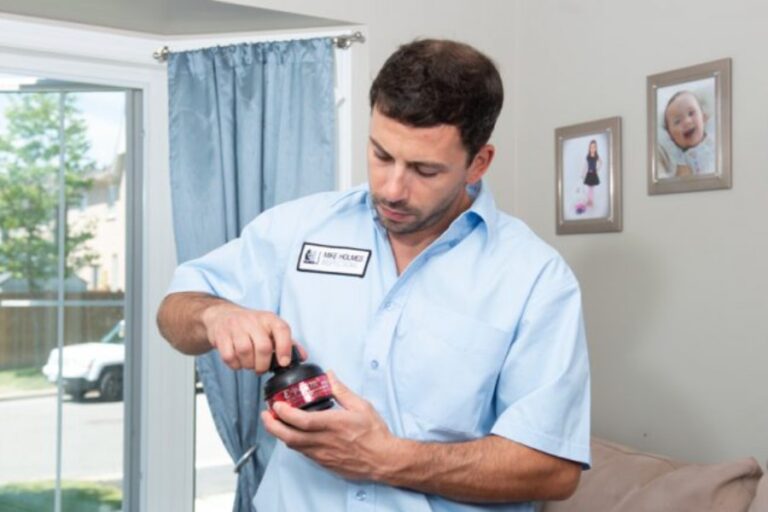
If you’ve never had a radon test done before, you might picture a technician walking in with a gadget, waving it around for a few minutes, and giving you instant results. Sounds convenient, right? But professional radon testing doesn’t work like that—and honestly, that’s a good thing. Accurate radon testing takes time, consistency, and the right conditions. That’s one reason many homeowners turn to Home Inspectors in Howard County when they want it done correctly and without guesswork. So, how long does a typical professional radon test take? Let’s break it down in a way that makes sense, without the jargon or confusion.
Why Radon Testing Takes More Time Than You Might Expect
First things first: radon isn’t just floating around like dust you can catch with a quick swipe. It fluctuates—hour by hour, day by day—based on pressure changes, weather, ventilation, and even what appliances you run in your home. Because radon levels rise and fall naturally, tests need time to average everything out. That being said, most professional tests use continuous radon monitors, which record data in small increments, usually every hour. These devices collect dozens of readings, which helps ensure accuracy. That’s a major reason people hire Radon Testing Services Montgomery County instead of relying on quick DIY kits.
The Standard Timeframe: 48 to 96 Hours

If you’ve heard that professional radon tests take “two days,” you’ve heard correctly—well, mostly. The industry-standard timeframe for a short-term professional test is 48 hours minimum, but it can legally extend up to 96 hours. That range gives inspectors enough data to form a reliable picture of your home’s radon levels.
Here’s the kicker: you can’t shorten the test. A 24-hour test won’t cut it. It doesn’t meet professional guidelines, and almost no home inspector will perform one because the results won’t hold up in a real estate transaction. That’s why many local families schedule with Home Inspectors in Howard County, who follow the strict timing requirements set by national radon safety organizations.
What Happens Before the Test Even Begins?
Believe it or not, the test doesn’t officially start the moment the inspector places the monitor. There’s a setup step many people overlook: closed-house conditions. These conditions need to be maintained for at least 12 hours before the test begins. So, if your test starts at 9 a.m., those closed-house rules should be in place by 9 p.m. the night before. Closed-house conditions mean windows closed, exterior doors used minimally, and HVAC running normally. This step ensures radon levels inside the home aren’t artificially lowered or raised. Some inspectors, including those from Radon Testing Services Montgomery County, provide a simple checklist beforehand so you know exactly how to prepare.
Why Closed-House Conditions Matter So Much
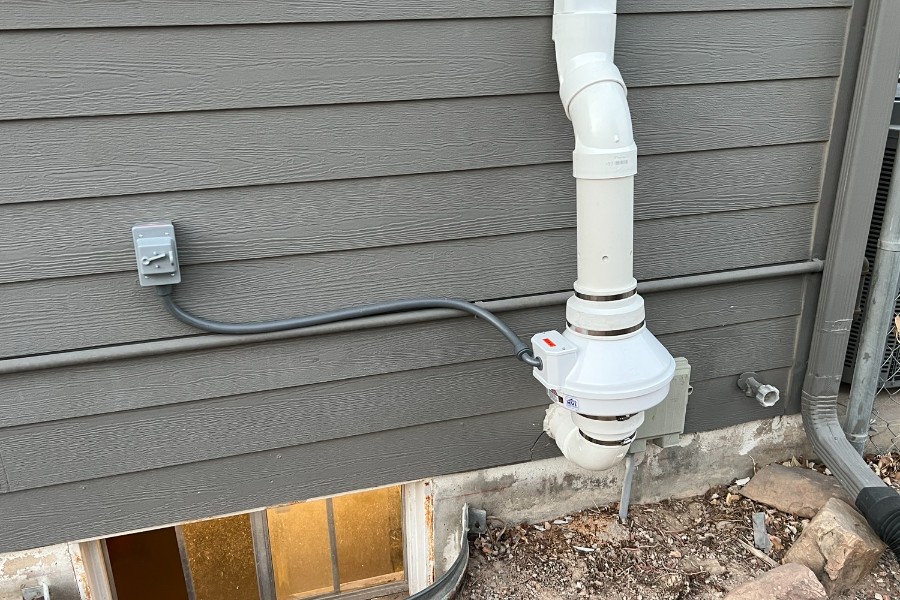
It might seem strange that keeping windows closed can affect a gas coming from the soil, right? But indoor air pressure plays a huge role in how much radon enters the home. Opening windows can create airflow patterns that either dilute radon or draw more of it in, depending on wind and weather. That’s why maintaining the right environment is just as important as the length of the test. Many homeowners rely on Home Inspectors in Howard County to verify everything is set correctly before testing officially begins.
The Test Itself: What Happens During Those 48 to 96 Hours
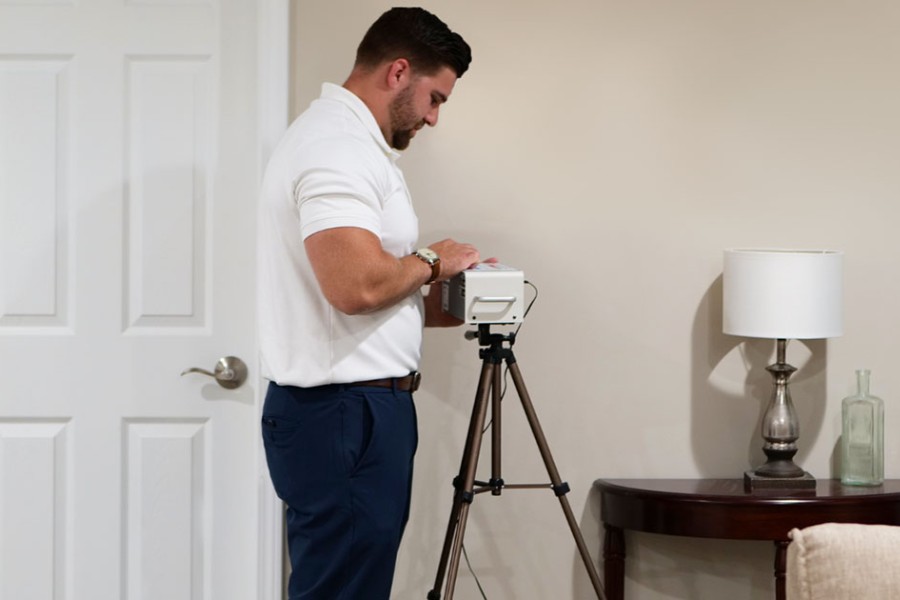
Once the monitor is set up and the test starts, you don’t have to do much. The device sits quietly in a low-level area of the home—typically the basement or lowest livable level—recording radon levels hour by hour. There’s no humming, no blinking lights, and no need for you to check anything. The device does all the work. On the flip side, you also shouldn’t move the monitor, bump it, unplug it, or change anything about the room while the test is running. That kind of interference can invalidate the test. If you’ve ever wondered why home inspectors leave printed warning cards near the monitor, that’s why. Professionals with Radon Testing Services Montgomery County use tamper-detection features to ensure the test remains valid throughout the entire timeframe.
When Weather Can Extend the Testing Period
While most tests fall neatly into the 48-to-96-hour window, certain weather conditions can prompt inspectors to extend—or even reschedule—the test. Heavy storms, dramatic temperature swings, or unusually high winds can all alter the pressure around your foundation. And radon, being the tricky gas that it is, responds to those changes. When conditions aren’t ideal, Home Inspectors in Howard County may recommend adjusting the testing window to ensure you get results that truly reflect your home’s radon potential.
When You Need More Than One Test
Short-term tests are the most common type of radon test, but sometimes they aren’t enough. If your results come back borderline—say, hovering near the EPA’s action level—you might benefit from a long-term test. These tests last 90 days or more, giving you seasonal insight rather than a weekend snapshot. Homes with fluctuating radon levels, older foundations, or unique ventilation setups often benefit from long-term testing. Not surprisingly, families who want year-round monitoring turn to Radon Testing Services Montgomery County, who offer continuous testing options that track radon levels over time.
What Happens After the Test Ends?
Once the inspector returns after those 48 to 96 hours, they collect the device, download the results, and interpret the hourly readings. This part doesn’t take long—often less than 20 minutes—but the detailed report you receive afterward is what really matters. It’ll show average radon level, hourly fluctuations, environmental conditions, and whether it’s time to consider mitigation. Many homeowners appreciate how clearly Home Inspectors in Howard County break down the data, especially if the test is part of a real estate transaction where time and clarity matter.
Real Estate Transactions: Why Timing Is Even More Important
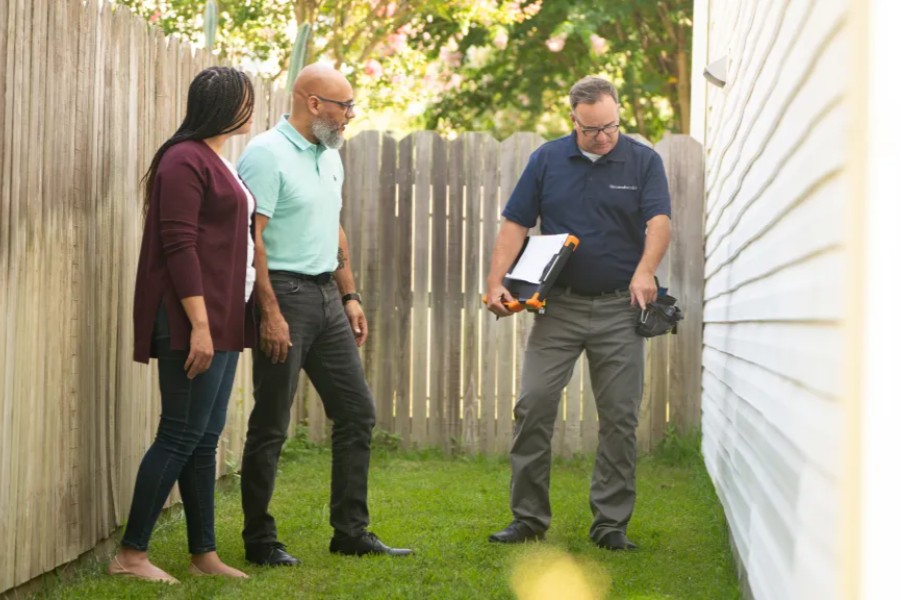
If you’re buying or selling a home, the timing of a radon test matters even more. Real estate transactions typically run on tight deadlines, so the 48-plus-hour requirement must fit neatly into the inspection window. Because radon testing takes longer than most inspections—like roofing, electrical, or HVAC—it’s often one of the first things scheduled. Sellers also appreciate knowing results won’t drag on forever. Many people choose Radon Testing Services Montgomery County during a home sale because the process is predictable, professional, and easy to schedule during the inspection period.
Can You Get Faster Results With Professional Equipment?
The results are available quickly once the test concludes, but the test duration itself can’t be shortened. Even the best continuous radon monitors still need the full 48 hours to collect reliable data. Think of it like brewing coffee: the machine might be high-end, but the beans still need time to steep. That’s why Home Inspectors in Howard County emphasize that accuracy beats convenience when it comes to radon.
The Bottom Line: Expect 2 to 4 Days for Reliable Results
So, how long does a professional radon test take from start to finish? Including the pre-test closed-house period, plan on roughly 60 to 108 hours. The test itself takes 48 to 96 hours, and the preparation before it takes about half a day. It’s not a quick drop-in appointment—and that’s exactly why it works. When you want results you can trust, especially during a home purchase or before planning mitigation, working with experts like Radon Testing Services Montgomery County is well worth the time. And when in doubt, Home Inspectors in Howard County can walk you through the entire timeline so there are no surprises along the way.
Read more blogs like these on [Sources]