
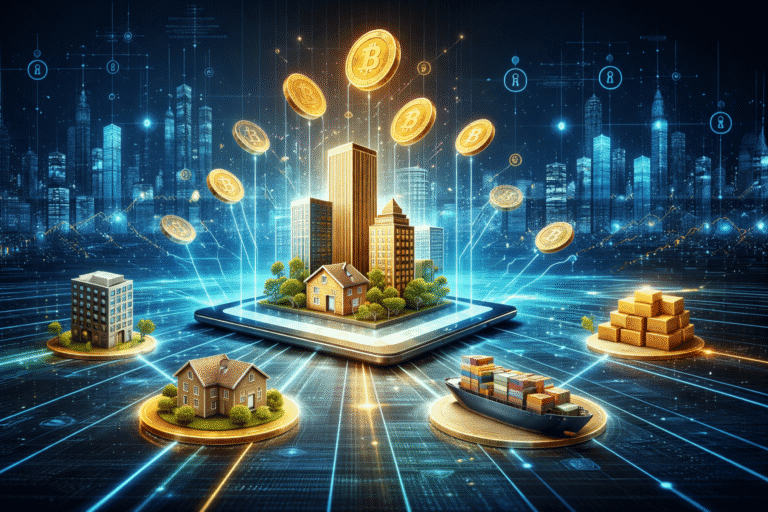
The real estate market has traditionally been characterized by high barriers to entry, significant capital requirements, and complex legal processes. For decades, acquiring or investing in real estate, particularly on an international scale, required extensive networks, significant funding, and navigating diverse regulatory landscapes. However, the advent of blockchain technology and the emergence of real estate tokenization companies have revolutionized the way individuals and institutions can access, manage, and invest in real estate assets globally. Real estate tokenization has emerged as a transformative approach, bridging liquidity gaps, democratizing investments, and simplifying global access. This blog explores the mechanisms, benefits, and practical implications of real estate tokenization in simplifying access to global property markets.
Understanding Real Estate Tokenization
Real estate tokenization refers to the process of converting ownership rights in a property into digital tokens on a blockchain. Each token represents a fractional ownership stake in the asset, which can be traded, transferred, or managed through secure digital platforms. Unlike traditional real estate investments that require full ownership or complex partnership structures, tokenization allows investors to purchase small, proportionate shares of a property, thereby significantly lowering entry barriers.
Blockchain technology underpins real estate tokenization by offering transparency, security, and efficiency. Smart contracts automate compliance, ownership transfer, and dividend distribution, while the immutable nature of the blockchain ensures accurate record-keeping and traceability. For investors, tokenization provides a more accessible, flexible, and liquid avenue to diversify portfolios with real estate assets globally.
Democratizing Real Estate Investment
One of the primary ways a real estate tokenization company simplifies global access is by democratizing investment opportunities. Historically, real estate investments were reserved for high-net-worth individuals or institutional investors due to high costs and legal complexities. Tokenization changes this paradigm by allowing fractional ownership, enabling smaller investors to participate in high-value markets that were previously inaccessible.
For example, consider a luxury commercial property valued at $10 million. Traditional investment models would require significant capital, limiting access to a select few. Through tokenization, the property could be divided into 100,000 tokens, each priced at $100, allowing thousands of investors worldwide to participate. This fractionalization not only opens up real estate markets to a broader audience but also provides liquidity, as these tokens can be traded on secondary markets, unlike conventional property investments that are illiquid.
Enhancing Global Accessibility
Real estate tokenization companies also simplify the complexities associated with international investments. Cross-border real estate acquisitions often involve navigating varying legal frameworks, property rights, taxation rules, and regulatory requirements. Tokenization platforms address these challenges by providing a centralized, digital interface where international investors can seamlessly invest in foreign properties without the traditional friction.
Through digital platforms, investors can access tokenized properties in multiple jurisdictions, review property details, and make transactions in a secure and transparent manner. Smart contracts handle compliance with local regulations, KYC (Know Your Customer), and AML (Anti-Money Laundering) procedures, ensuring that all transactions meet legal requirements without the need for extensive legal intervention. This streamlined approach significantly reduces the complexity and time involved in global real estate investment.
Fractional Ownership and Portfolio Diversification
Fractional ownership enabled by real estate tokenization allows investors to diversify their portfolios across multiple properties, geographies, and asset classes. This diversification minimizes risk exposure, enhances returns, and provides flexibility in investment strategies. Traditional real estate investments often tie up large amounts of capital in single assets, limiting the ability to diversify effectively. Tokenization allows investors to allocate smaller amounts across various properties, from residential apartments in New York to commercial buildings in London or industrial warehouses in Singapore.
Real estate tokenization companies also offer curated investment opportunities, allowing investors to select assets based on risk profile, location, and expected returns. By enabling access to a global pool of properties, these platforms empower investors to build diversified portfolios without the logistical and financial challenges of traditional real estate investments.
Liquidity and Secondary Market Trading
One of the most significant advantages of real estate tokenization is the liquidity it introduces to a traditionally illiquid market. Conventional real estate assets are difficult to sell quickly due to the time-consuming processes of property listing, valuation, and legal transfer. Tokenized assets, however, can be traded on digital marketplaces or secondary exchanges, allowing investors to buy and sell shares of properties in real time.
Real estate tokenization companies facilitate this liquidity by establishing compliant secondary markets where tokens can be traded securely. This feature not only attracts more investors but also makes real estate a more dynamic and flexible asset class. Investors can respond to market conditions, rebalance portfolios, and access capital without selling entire properties or navigating lengthy legal procedures.
Transparency and Trust Through Blockchain
Blockchain technology ensures that all transactions, ownership records, and property-related data are stored in an immutable ledger. Real estate tokenization companies leverage this transparency to build trust with global investors. Each token is linked to a verified ownership record, and all transactions are publicly auditable, reducing the risk of fraud or disputes.
Moreover, blockchain-enabled platforms can provide real-time updates on property performance, rental income, and other financial metrics. This transparency allows investors to make informed decisions, track returns, and engage in property investments with confidence, regardless of their physical location.
Streamlining Legal and Compliance Processes
Cross-border real estate investments are often burdened by complex legal requirements, including property registration, taxation, and compliance with local laws. Real estate tokenization companies simplify these processes through automated smart contracts and digital legal frameworks. Smart contracts can encode regulatory compliance, automate dividend distribution, and facilitate ownership transfers, reducing the need for manual legal intervention.
Additionally, tokenization platforms often provide integrated KYC and AML verification, ensuring that all participants meet regulatory standards. By handling these legal and compliance complexities digitally, real estate tokenization companies make it easier for global investors to participate in international real estate markets without hiring expensive local legal teams or navigating unfamiliar regulations.
Enabling Institutional Participation
Institutional investors, including hedge funds, pension funds, and private equity firms, can also benefit from tokenized real estate assets. Tokenization enables institutions to acquire fractional stakes in high-value properties, participate in syndication deals, and manage portfolios more efficiently. Through digital platforms, institutions can access detailed analytics, property performance metrics, and regulatory compliance information, streamlining investment operations and reducing administrative overhead.
Furthermore, tokenization facilitates innovative investment structures, such as shared ownership, revenue-based tokens, or profit-sharing models. These structures can be tailored to institutional investment strategies, allowing greater flexibility in portfolio management and risk allocation.
Expanding Investment Opportunities Beyond Traditional Markets
Real estate tokenization companies can extend investment opportunities to emerging markets and non-traditional assets. Tokenized platforms may include assets such as vacation rentals, industrial properties, logistics hubs, or mixed-use developments in regions with high growth potential. By digitizing these assets, companies create new investment avenues for global investors who might not have the resources or expertise to engage in traditional real estate markets.
This expansion also benefits property developers and owners, as tokenization provides access to a broader pool of capital without relying solely on local financing or conventional investors. By bridging capital and property markets globally, tokenization fosters a more inclusive and efficient real estate ecosystem.
Cost Efficiency and Reduced Entry Barriers
Traditional real estate investments involve numerous costs, including brokerage fees, legal expenses, and management charges. Tokenization reduces these costs by digitizing processes, enabling fractional ownership, and automating administrative tasks. Real estate tokenization companies provide platforms that handle documentation, compliance, and transaction management digitally, resulting in lower entry costs for investors.
Lower barriers to entry also allow smaller investors to participate in high-value markets, expanding the investor base and creating a more competitive and liquid real estate environment. By reducing costs and simplifying access, tokenization makes real estate a more accessible and attractive asset class.
Technological Integration and Innovation
Real estate tokenization companies leverage cutting-edge technologies to provide seamless investment experiences. Blockchain ensures security and transparency, smart contracts automate processes, and digital wallets facilitate token management. Some platforms integrate artificial intelligence and data analytics to offer insights on property performance, rental yields, and market trends, empowering investors to make data-driven decisions.
Additionally, tokenization platforms can integrate with decentralized finance (DeFi) protocols, enabling lending, borrowing, and staking using real estate-backed tokens. This convergence of real estate and DeFi opens new possibilities for liquidity, yield generation, and innovative financial products linked to tangible assets.
Challenges and Considerations
While real estate tokenization offers numerous benefits, there are challenges that both investors and companies must consider. Regulatory frameworks vary by jurisdiction, and compliance with securities laws is critical. Tokenized assets must be properly structured to avoid legal issues, particularly regarding investor rights, taxation, and cross-border transactions.
Market adoption and liquidity are other important factors. The success of tokenized real estate depends on the development of active secondary markets and investor confidence in digital ownership. Real estate tokenization companies must provide transparent, secure, and user-friendly platforms to attract and retain global investors.
Additionally, technological and cybersecurity risks must be managed. Companies must implement robust security measures to protect investor funds, property data, and platform integrity. Partnerships with reputable blockchain providers, legal advisors, and financial institutions are often essential to mitigate these risks and ensure long-term sustainability.
The Future of Real Estate Tokenization
The future of real estate tokenization looks promising as more investors, institutions, and developers recognize the benefits of blockchain-enabled property investment. As regulatory clarity improves and technology adoption accelerates, tokenized real estate is poised to become a mainstream investment option. Global access to high-value properties, fractional ownership, and enhanced liquidity will continue to attract both retail and institutional investors, transforming the traditional real estate market.
Emerging trends, such as integrating real estate tokens with digital identity verification, automated tax compliance, and AI-driven investment analytics, will further enhance accessibility and efficiency. Real estate tokenization companies are likely to play a pivotal role in shaping a more inclusive, transparent, and interconnected global property market.
Conclusion
Real estate tokenization represents a paradigm shift in how investors access and manage property assets globally. By converting ownership into digital tokens, these companies simplify complex processes, democratize investment opportunities, and create liquidity in an otherwise illiquid market. Fractional ownership, blockchain transparency, automated compliance, and global accessibility make tokenized real estate an attractive option for both retail and institutional investors.
As the technology matures, real estate tokenization will continue to reduce barriers, enable innovative investment models, and provide seamless access to global real estate markets. For investors seeking diversification, efficiency, and transparency, and for property developers seeking broader capital access, real estate tokenization offers a transformative solution that is redefining the future of real estate investment.