
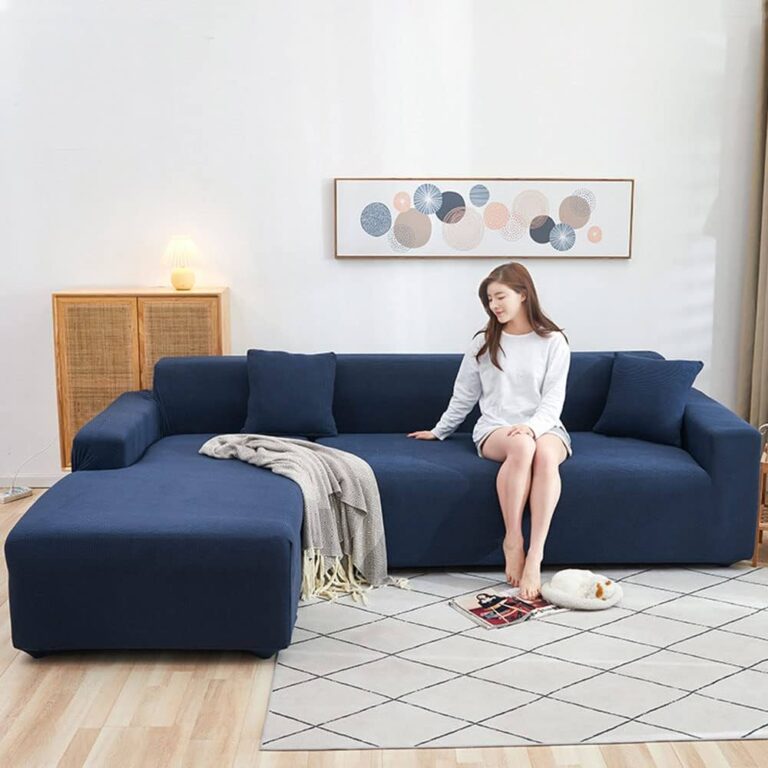
Slipcovers are one of the smartest ways to refresh your living room without buying a new sofa. Whether your couch looks worn out, you want a new colour scheme, or you simply want protection from spills and pets, a well-made slipcover can transform your furniture instantly. Many people assume slipcovers must be purchased ready-made, but creating your own is surprisingly achievable—even if you’re not a professional sewer.
In this guide, you’ll learn how to make slipcovers for a two seater sofa, 3 seat sofa, 4 seater sofa, and even special pieces like rattan corner sofas. We’ll also cover maintenance tips such as washing settee covers, choosing fabrics, and ensuring a perfect fit.
Let’s walk through the entire process step-by-step.
Why Make Your Own Sofa Slipcover?
Before diving into the instructions, it helps to understand the advantages of DIY slipcovers:
1. Cost-Effective
Buying a new sofa—especially a 3-seater or 4-seater—can be expensive. A slipcover offers a budget-friendly upgrade.
2. Custom Fit
Ready-made covers don’t always fit perfectly. DIY covers allow you to customise every inch.
3. Style Freedom
Choose the exact fabric, colour, and texture that matches your interior. This is especially helpful when working with unique shapes such as rattan corner sofas.
4. Easy Maintenance
One of the biggest benefits is the ability to remove and wash the covers whenever needed. This is great for homes with kids, pets, or high traffic.
Tools & Materials You Will Need
To make high-quality sofa slipcovers, gather the following:
- Measuring tape
- Sewing machine (basic one is fine)
- Fabric (cotton, linen, canvas, chenille, polyester blends)
- Pins or fabric clips
- Chalk or fabric marker
- Sharp scissors
- Elastic or drawstrings (optional)
- Velcro, zippers, or ties for closure
- Lining fabric (optional)
Step 1: Measure Your Sofa Properly
Accurate measurement ensures your slipcover looks professional.
For a Two Seater Sofa Cover
Measure:
- Back width
- Seat width
- Arm height
- Arm width
- Sofa height from floor to top
- Depth of seat cushions
For a 3 Seat Sofa Slipcover
You’ll need the same measurements but pay special attention to seat length, as 3-seater sofas vary widely.
For a 4 Seater Sofa Cover
Because of the longer length, break the measurement into:
- Left end to centre
- Centre to right end
- Cushion depth
- Back height
This ensures the slipcover does not sag in the middle.
For a Rattan Corner Sofa Cover
Rattan corner sets usually come in L-shapes. Measure:
- Total length of each side
- Depth of each sitting area
- Height of armrests
- Angle of the corner/curve
- Height from floor to top
Tip: Always write down measurements and add 2–3 inches to each for seam allowance.
Step 2: Choose the Right Fabric
Fabric selection influences durability, comfort, and how easy the slipcover is to clean later.
Best Fabrics for Slipcovers
- Cotton twill – durable, washable
- Canvas – heavy-duty and long-lasting
- Polyester blends – wrinkle-resistant
- Linen – elegant and breathable
- Chenille – soft and cosy
For rattan corner couches, go for fabrics with stretch or heavier textures to keep the covers in place.
Colour & Pattern Tips
- Light colours brighten small spaces
- Dark colours hide stains
- Patterns help disguise daily wear
- Neutral shades match any décor
If you’re creating multiple slipcovers—like a matching two seater sofa cover and 3 seat sofa slipcover—choose uniform colours for a coordinated look.
Step 3: Create a Fabric Layout
Spread fabric over the sofa to understand how it will drape. This is called “rough fitting.”
How to Do It
- Drape fabric over the entire couch.
- Pin the edges tightly around arms and cushions.
- Mark the corners using chalk.
- Identify areas that need separate pieces (arms, seat, backrest).
For large sofas such as a 3-seater or 4-seater, work in sections. For a corner rattan sofa, measure each segment separately.
Step 4: Cut Your Fabric Pieces
Use the chalk markings as a guide.
Your main pieces will be:
- Arm pieces (left & right)
- Backrest piece
- Base covering piece
- Seat cushion covers
- Skirt (optional)
Always cut with seam allowance (1 inch minimum).
Step 5: Pin & Fit the Pieces Together
Now you’ll begin your first real fitting.
Steps
- Pin the arm sections to the main body.
- Attach backrest to the seat area.
- Ensure fabric is smooth—no wrinkles or excessive slack.
- Sit on it carefully to test the fit.
For large sofas like a 4-seater, stretch the fabric well so it doesn’t loosen over time.
Step 6: Sew the Slipcover
Using a sewing machine:
- Sew along pinned edges
- Strengthen key joints (arms, corners)
- Add zippers or Velcro at the back for easy removal
- Add elastic under the seat for a snug fit
For 3 seat sofa slipcovers and larger sofas, double-stitch the stress areas so the cover lasts longer.
Step 7: Make Cushion Covers
Cushion covers complete the set and make your sofa look tailored.
Envelope Style
Easy to sew, no zippers needed.
Zipper Style
Neat finish, ideal for premium-looking slipcovers.
If your sofa includes many cushions—like some corner rattan designs—measure each cushion independently for perfect fit.
Step 8: Add Finishing Touches
Make your slipcover look polished by:
- Adding a pleated skirt
- Sewing ties at the back
- Adding decorative piping
- Using fabric straps to secure sides
These small additions help a slipcover look custom-made instead of generic.
Special Section: Washing Settee Covers Properly
Slipcovers look best when they’re well maintained. Washing them correctly protects the fabric and keeps colours bright.
How to Wash Your Slipcovers
- Use cold or lukewarm water
- Select gentle cycle
- Use mild detergent
- Avoid bleach on coloured fabrics
- Air dry or tumble on low heat
For heavy fabrics like canvas or chenille, avoid frequent washing—spot clean instead. Rattan corner slip sofa covers and 4-seater slipcovers should be washed in sections to avoid overloading the machine.
Slipcover Tips for Different Sofa Types
Two Seater Sofa Cover
- Simple structure, easiest to sew
- Great for beginners
- One-piece slipcovers often fit well
3 Seat Sofa Slipcover
- Ensure centre section doesn’t sag
- Add elastic or ties underneath
- Create separate cushion covers
4 Seater Sofa Cover
- Longer length requires more fabric
- Divide the cover into 2–3 main pieces
- Reinforce stitching for durability
Rattan Corner Sofa Cover
- Measure each unit individually
- Choose slightly stretchy fabric
- Avoid loose-fitting slipcovers—they slide on rattan
- Zippers help remove each section easily
Benefits of Using Slipcovers
Whether you sew your own or upgrade later with ready-made options, slipcovers offer big benefits:
- Protect the original sofa fabric
- Change décor instantly
- Hide damage or stains
- Affordable alternative to reupholstery
- Extend the life of your couch
Slipcovers also allow you to experiment with seasonal looks—light linen for summer, textured fabrics for winter.
Final Thoughts
Making slipcovers for your couch is not only doable—it’s a rewarding project that can completely refresh your living room. Whether you’re sewing a two seater sofa cover, crafting a 3 seat or 4 seater slipcover, or creating a custom rattan corner sofa cover, the same principles of accurate measurement, careful cutting, and strong stitching apply. With patience and the right materials, you can create a beautiful, perfectly fitted slipcover that protects your sofa and elevates your home décor.