
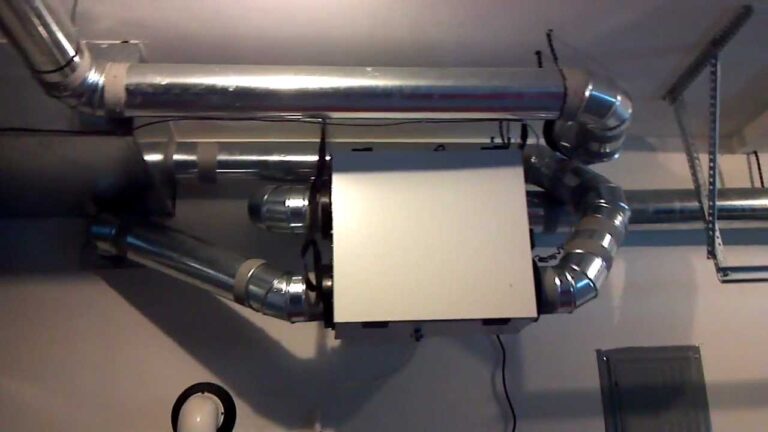
HRV system plays a crucial role in maintaining energy-efficient and healthy indoor environments. By continuously exchanging stale indoor air with fresh outdoor air, these systems help to regulate air quality while preserving heat energy that would otherwise be lost. This is achieved through a heat exchanger, which transfers thermal energy from outgoing to incoming air without mixing the two streams. Such systems are particularly beneficial in buildings with high insulation, where natural ventilation may be limited. They also contribute to consistent airflow, reducing humidity levels and preventing conditions that encourage damp or mould growth. Modern designs integrate advanced technologies to ensure optimal performance, making these systems an important feature in energy-conscious building design. With growing awareness of sustainability, heat recovery ventilation systems have become essential in creating comfortable, environmentally responsible living and working spaces.
How Heat Recovery Ventilation Works
Heat recovery ventilation systems operate by using a balanced ventilation process combined with a heat exchanger to optimise energy efficiency and air quality. The system extracts stale indoor air and draws in fresh outdoor air, ensuring a continuous exchange. The heat exchanger within the unit transfers thermal energy from the outgoing air to the incoming air, maintaining warmth without mixing the two streams.
Fans are employed to regulate airflow, directing it through a network of ducts to distribute air evenly across the building. This method ensures that heat is retained while pollutants and excess moisture are expelled. Advanced filtration systems may also be integrated to remove airborne particles from the incoming air. The overall design ensures a consistent supply of clean air, reduces energy consumption, and maintains a comfortable indoor environment.
Benefits of Using a Heat Recovery Ventilation System
A heat recovery ventilation system offers a range of advantages that contribute to both energy efficiency and indoor comfort. By recovering heat from outgoing air, these systems reduce the demand on heating systems, helping to lower energy consumption and associated costs. Improved air circulation is another key benefit, as it aids in maintaining a consistent indoor environment by reducing humidity levels and minimising the risk of condensation.
Additionally, the filtering of incoming air removes contaminants such as dust, pollen, and other allergens, promoting a healthier indoor atmosphere. This is particularly beneficial in modern buildings where natural ventilation is limited. The ability to maintain fresh air without sacrificing heat makes these systems especially suited to energy-efficient building designs. Overall, they support sustainable living and improve overall air quality in residential and commercial spaces alike.
Key Components of a Heat Recovery Ventilation System
A heat recovery ventilation system consists of several interconnected components designed to ensure effective ventilation and energy efficiency. The heat exchanger is a central element, responsible for transferring thermal energy between incoming and outgoing air streams without mixing them. Fans are utilised to regulate and drive airflow through the system, ensuring consistent performance. Ductwork forms the pathways for air distribution across the building, connecting various spaces to the central unit. Filters play an important role in maintaining air quality by removing dust, pollen, and other airborne particles.
Additionally, control systems allow for adjustments in airflow and temperature, enabling customisation to suit specific building requirements. Some systems may also include advanced sensors to monitor humidity levels or detect contaminants, further enhancing functionality. Together, these components work in unison to maintain a balanced and efficient ventilation process.
Factors Influencing HRV Price
Several factors influence the HRV Price, including the system’s capacity and the size of the building it is designed to serve. Larger properties often require more powerful units, which can result in higher costs. The complexity of the installation process also plays a significant role, particularly if extensive ductwork or structural modifications are required.
Additional features, such as advanced filtration systems or smart technology integration, can further impact pricing. Energy efficiency ratings and material quality may also contribute to variations in cost. Labour charges associated with professional installation can vary depending on the location and specific requirements of the building. Ultimately, the combination of these factors determines the overall cost of the system.
Comparing Different Types of Heat Recovery Ventilation Systems
Heat recovery ventilation systems are available in both centralised and decentralised configurations, each catering to different building requirements. Centralised systems utilise a single unit connected to a network of ducts to manage air exchange across multiple spaces, making them suitable for larger properties. These systems ensure uniform ventilation but often necessitate more complex installation processes. Decentralised systems, in contrast, function independently and are typically installed in individual rooms or smaller areas.
They are particularly advantageous for properties where extensive ductwork installation is impractical, such as in retrofitted or older buildings. The decision between these types depends on various factors, including building size, layout, and specific ventilation objectives, enabling tailored solutions for diverse needs.
Energy Savings with Heat Recovery Ventilation Systems
Heat recovery ventilation systems contribute to energy savings by reducing reliance on traditional heating methods. These systems recover heat from outgoing air, transferring it to incoming air, which decreases the amount of energy required to maintain indoor temperatures. This process is particularly beneficial in colder months when heating demand is higher.
Additionally, by improving energy efficiency, these systems align with sustainability goals and help minimise the environmental impact of buildings. Over time, the reduced energy consumption translates into lower utility bills, offering financial benefits. Such systems also support consistent indoor temperatures, enhancing overall comfort while maintaining efficient energy usage. Their ability to balance air quality and energy efficiency makes them a practical choice for environmentally conscious building designs.
Installation Considerations for Heat Recovery Ventilation Systems
Proper planning is essential when integrating a heat recovery ventilation system into a building. The placement of the system should be carefully determined to maximise efficiency and maintain accessibility for routine maintenance. The design of the ductwork must account for the layout of the property, ensuring even distribution of fresh air and effective removal of stale air.
Soundproofing measures may also be necessary to minimise operational noise, especially in residential settings. The compatibility of the system with the building’s existing infrastructure, such as insulation and heating arrangements, should be evaluated to avoid disruptions.
Compliance with relevant building regulations is another critical consideration, ensuring the installation meets safety and efficiency standards while optimising the performance of the system.
Maintenance Needs of Heat Recovery Ventilation Systems
Regular servicing is critical for maintaining the efficiency of a heat recovery ventilation system. Filters should be inspected frequently and cleaned or replaced as needed to prevent blockages and ensure consistent air quality. Ductwork may also require occasional cleaning to remove accumulated dust and debris, which can hinder performance. The heat exchanger, as a vital component, should be examined periodically to ensure it functions effectively in transferring thermal energy.
Fans and other moving parts may benefit from lubrication or adjustments to maintain optimal operation. Timely attention to these maintenance tasks helps prevent wear and tear, reduces the likelihood of malfunctions, and ensures the system operates at peak performance, supporting energy efficiency and sustained indoor air quality.
Assessing the Suitability of Heat Recovery Ventilation Systems for Homes
The suitability of a heat recovery ventilation system for a home depends on various factors, including the property’s layout, climate, and ventilation needs. Homes in areas with colder climates can benefit from the heat retention offered by these systems, particularly where insulation minimises natural airflow. The building’s size and structure also play a role in determining whether a centralised or decentralised system would be more appropriate.
The system’s ability to improve air quality while maintaining energy efficiency makes it an effective solution for modern, airtight homes. Additionally, the integration of advanced features such as humidity control or enhanced filtration can be tailored to meet specific household requirements, supporting a healthy and comfortable indoor environment.
Technological Advancements in Heat Recovery Ventilation Systems
Recent technological advancements have significantly improved the efficiency and functionality of heat recovery ventilation systems. Enhanced heat exchangers now offer superior thermal performance, ensuring minimal energy loss during air transfer. Integration with smart home systems has introduced automated controls, enabling adjustments based on real-time conditions such as indoor air quality or occupancy. Improved filtration technologies have also emerged, capable of capturing finer particles and pollutants, promoting a cleaner indoor environment.
Noise-reduction innovations have been implemented in fan and motor designs, making these systems quieter and more suitable for residential settings. Moreover, the use of eco-friendly materials and energy-efficient components aligns with sustainability objectives, making modern systems more environmentally responsible while maintaining optimal performance standards.
Cost-Effectiveness of Heat Recovery Ventilation Systems
Heat recovery ventilation systems provide a balance between energy efficiency and long-term savings, particularly in buildings where heating demands are significant. Their ability to recover thermal energy from outgoing air reduces reliance on traditional heating, leading to decreased energy costs over time.
By maintaining consistent indoor conditions, they can also contribute to reduced maintenance expenses related to issues such as condensation or damp. Over the lifespan of the system, these benefits can offset the initial investment, ensuring cost-effectiveness.
Conclusion
In conclusion, HRV System represents a vital advancement for modern Australian architecture, particularly as we move towards more airtight, energy-efficient building standards. By effectively recycling thermal energy that would otherwise be exhausted, these systems offer a dual benefit of significantly reducing heating costs and drastically improving indoor air quality. While the initial investment involves unit and ductwork costs, the long-term protection against mould, damp, and high utility bills makes it a fiscally responsible choice. Ultimately, HRV technology ensures that a healthy, fresh-air environment does not have to come at the expense of a home’s thermal comfort or sustainability goals.
Frequently Asked Questions
How much does it typically cost to install a full HRV system in a standard Australian home?
The cost of a Heat Recovery Ventilation system in Australia generally ranges between $8,000 and $15,000 for a standard four-bedroom family home. This price fluctuation depends heavily on whether the system is being integrated into a new build or being retrofitted into an existing property, as retrofitting often requires more complex ductwork manoeuvres through established walls and ceilings. The total investment includes the central heat exchange unit, the network of insulated ducts, air valves, and professional labour. While the upfront cost is higher than simple extract fans, the long-term energy savings and health benefits often provide a return on investment within several years.
Does an HRV system replace the need for air conditioning during a hot Australian summer?
It is important to understand that a standard HRV system is not an air conditioner; it does not “generate” cold air. Instead, it moves air efficiently. During a hot Australian summer, many HRV units feature a “summer bypass” mode. This allows the system to bring in cooler night-time air directly into the house without passing it through the heat exchanger, helping to naturally cool the building. While it won’t replace the cooling power of a split system or ducted air conditioning during a 40°C heatwave, it works brilliantly alongside them by ensuring fresh air is circulated without losing the “expensive” cool air your air conditioner has already produced.
How often do the filters in the ventilation unit need to be cleaned or replaced?
To maintain optimal air quality and system efficiency, filters should generally be checked every six months and replaced at least once a year. In Australia, if you live in a dusty rural area or near a busy metropolitan road, you may find that the filters accumulate debris more quickly. Clogged filters force the fans to work harder, which increases electricity consumption and reduces the amount of fresh air entering the home. Most modern units are designed for easy maintenance, allowing homeowners to simply slide out the filter G4 or F7 cartridges, vacuum off surface dust, or swap them for new ones without needing a technician.
Is the system noisy enough to disrupt sleep if installed near bedrooms?
When a Heat Recovery Ventilation system is designed and installed correctly by a professional, it should be virtually silent. The main unit is typically located in the roof space or a utility cupboard, away from living areas. High-quality systems use insulated ductwork and “acoustic silencers” or “attenuators” to dampen any wind noise or fan vibration before the air reaches the room vents. At normal operating speeds, the sound is often comparable to a very faint hum or the background noise of a modern refrigerator. Noise only tends to become an issue if the ducts are too small or if the system is poorly balanced, forcing the fans to run at excessive speeds.
Can I install a heat recovery system in an older Queenslander or a heritage home?
While HRV systems are most effective in “airtight” modern homes, they can certainly be installed in older Australian properties. However, the efficiency of the heat recovery will be lower if the house is “leaky” with traditional gaps around floorboards, windows, and doors, as the system cannot control the air if it is escaping through cracks. For older homes, a decentralised or “single-room” HRV unit is often a more practical and cost-effective solution. These smaller units are installed directly through an external wall, providing local heat recovery for specific damp-prone areas like bathrooms or kitchens without the need for extensive house-wide ducting.