
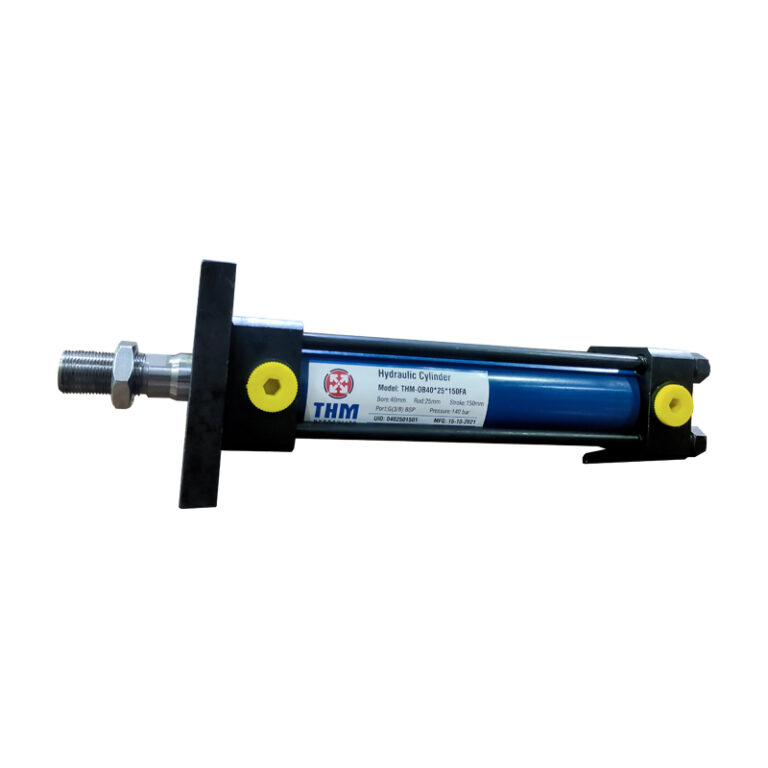
When we talk about the marine and offshore sector, one thing is certain — it’s not a gentle environment. From high waves and saltwater exposure to extreme loads and weather fluctuations, machinery used at sea must be incredibly tough. And at the core of many marine systems lies one silent workhorse: Hydraulic Cylinders.
Whether it’s lifting heavy cargo on ships, operating steering systems, managing offshore drilling rigs, or functioning under deep-sea pressure — hydraulic cylinders play a major role in ensuring smooth and reliable operations.
But designing hydraulic cylinders for marine and offshore use isn’t simple. The demands are extreme, and every single component must survive harsh conditions for years. Let’s break down how these cylinders are used and what engineering challenges come along with them.
Why Hydraulic Cylinders Are Crucial at Sea
Hydraulic cylinders are designed to convert fluid power into linear motion, making them ideal for applications where strength, control, and precision are needed. In marine and offshore environments, they are used in:
- Ship steering systems
- Deck cranes and winches
- Hatch covers and door mechanisms
- Offshore drilling platforms
- Positioning equipment for subsea operations
- Davits and lifeboat launch systems
Without them, much of the equipment onboard ships and offshore platforms wouldn’t function smoothly. The efficiency these systems offer is also one reason industries continue to rely heavily on hydraulic technology.
So, if you’re in manufacturing, shipbuilding, or offshore engineering, choosing the right hydraulic cylinder isn’t just important — it’s mission-critical.
Unique Design Challenges in Marine Applications
Working in a stable industrial environment is one thing, but when hydraulic cylinders are exposed to ocean water, vibrations, and unpredictable temperatures, the engineering approach needs to be smarter. Here are some of the key design challenges manufacturers face:
1. Corrosion due to Saltwater Exposure
Saltwater is harsh — it can eat through metals faster than fresh water. For this reason, marine-grade hydraulic cylinders require:
- Special coatings (like ceramic or nickel-chrome plating)
- Stainless-steel rods and components
- Anti-corrosion paint systems
Even seals and hoses must be resistant to saltwater and UV damage. Without proper protection, corrosion can reduce performance, cause leaks, and eventually lead to equipment failure.
2. Extreme Pressure and Load Capacity
Marine hydraulic systems often deal with heavy loads — think massive ship cranes or drilling platform lifts. Hydraulic cylinders must be able to withstand:
- Shock loads
- High pressure
- Continuous operational force
Designers need to consider fatigue strength, reinforcement, and safety factors that exceed those used in traditional industrial equipment. In offshore applications, failure isn’t an option — safety and operational uptime depend on durability.
3. Temperature Variations
From scorching sun exposure to freezing ocean winds, hydraulic cylinders experience significant temperature swings. These fluctuations affect hydraulic fluid viscosity and seal performance.
To handle this challenge, marine cylinders require:
- Special seal materials such as Viton or polyurethane
- Temperature-stable hydraulic oil
- Built-in heating or cooling systems when necessary
Maintaining stable operation regardless of weather ensures reliability and operator safety.
4. Vibration and Shock Resistance
Ships and offshore structures experience constant motion. Vibrations from engines, waves, and heavy equipment can weaken components over time.
To increase durability, cylinders must be designed with:
- Precision bearings
- Shock-absorbing mount systems
- Improved seal technology
This helps prevent premature wear and ensures the equipment operates smoothly even when under intense movement.
5. Maintenance and Accessibility Challenges
Maintenance at sea is never easy. Equipment may be located in tight, hard-to-reach areas, and skilled technicians may not always be available on-site.
That’s why hydraulic cylinders used in marine environments are designed for:
- Longer service intervals
- Easy seal replacement
- Self-lubricating components
A low-maintenance design isn’t just a convenience — it significantly reduces downtime and improves operational efficiency offshore.
How Manufacturers Address These Design Challenges
Over time, the marine and offshore industry has adopted innovative design enhancements to make hydraulic cylinders more reliable. Some of these include:
- Surface hardening technologies to increase corrosion resistance
- Custom rod coatings for improved wear protection
- Redundant sealing systems to prevent leaks
- Environment-friendly hydraulic fluids compatible with seawater exposure
Some advanced hydraulic cylinders are now also equipped with IoT-based condition monitoring. This helps operators predict failures and schedule maintenance before sudden breakdowns.
Hydraulic Cylinders and the Future of Marine Engineering
As the marine and offshore industries evolve, demands for cleaner energy and automation are growing. Offshore wind projects, autonomous ships, and deep-sea energy systems will require advanced hydraulics that offer:
- Higher energy efficiency
- Better precision
- Reduced carbon footprint
Hydraulic cylinders are already transitioning toward smarter, more efficient designs — ensuring they remain relevant for decades to come.
Choosing the Right Hydraulic Cylinders for Marine Use
If you’re sourcing hydraulic equipment, especially for critical applications, don’t go for the cheapest option. Instead, look for:
✔ Saltwater-resistant construction
✔ Certified marine-grade materials
✔ Proven load-capacity performance
✔ Long-term durability and warranty support
If you are planning to buy Hydraulic Cylinders in India, ensure the manufacturer understands marine engineering standards and customization requirements. High-quality marine-grade cylinders can significantly improve performance, safety, and operational cost efficiency.
Final Thoughts
Hydraulic cylinders may look like simple mechanical parts, but when it comes to marine and offshore environments, they are designed with precision, engineering intelligence, and durability in mind. Harsh weather conditions, vibration, heavy loads, and corrosion risks make the design process complex — but also fascinating.
The next time you spot a crane on a ship, a drilling platform loading equipment, or a hatch system opening smoothly against heavy waves, remember — hydraulic cylinders are quietly doing the heavy lifting behind the scenes.
If you’re exploring the latest technology or looking to buy Hydraulic Cylinders in India, choose a supplier who understands these complexities and delivers quality backed by engineering expertise. After all, durability and performance aren’t just features in the marine world — they’re a necessity.