
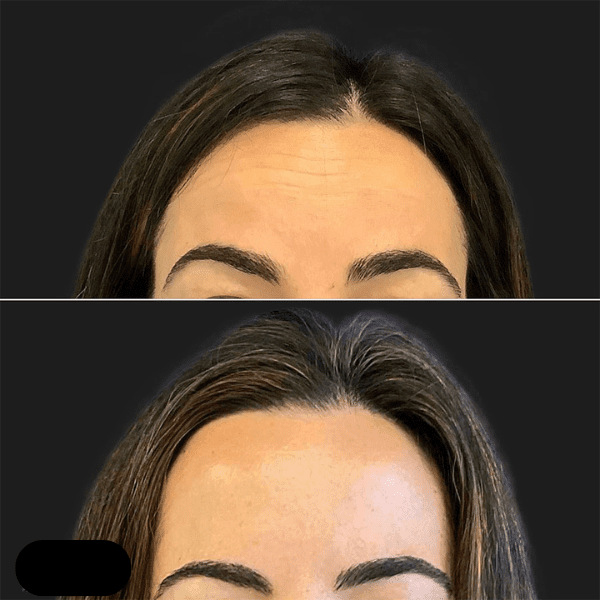
Forehead lines are often the first signs of aging people notice when they look in the mirror. These lines can appear when you smile, raise your eyebrows, or even when your face is at rest. Botox is a popular and trusted option to soften these lines, but many people ask the same question before treatment: is 20 units of Botox enough? This guide explains everything you need to know in clear, simple words so you can feel confident and informed before making a decision.
Understanding Forehead Lines in a Simple Way
Forehead lines form because your muscles move every time you show emotion. Smiling, frowning, and raising your brows all cause repeated motion. Over time, this motion creates lines that stay on the skin. The good news is that these lines are very common and very treatable. Knowing how they form helps you understand why Botox can help.
What Botox Does and Why It Works
Botox works by relaxing specific muscles under the skin. When those muscles relax, the skin above them looks smoother. This does not freeze your face when done correctly. Instead, it softens lines while still letting you look natural. That balance is what most people want, and it starts with using the right amount.
Why Botox Units Matter
Botox is measured in units, not drops or syringes. Each unit has a specific strength. Using too few units may not give visible results. Using too many can make the face look stiff. The goal is to find the right number that smooths lines while keeping natural movement. This is why the number of units matters so much.
Is 20 Units of Botox Enough for Forehead Lines?
Many people ask if 20 units of Botox is enough for forehead lines, and the answer is: sometimes, yes. For people with mild to moderate lines, 20 units can be effective. It often softens lines and prevents them from getting deeper. However, it is not a one-size-fits-all number, which is why understanding your face is important.
What Determines How Many Units You Need
Everyone’s face is different. Muscle strength, skin thickness, age, and facial movement all play a role. Some people have strong forehead muscles that need more units. Others have lighter movement and need less. Your provider looks at how your forehead moves before deciding on the right dose.
Age and Muscle Strength Matter
Younger people often need fewer units because their skin is still elastic. Older adults may need slightly more because lines are deeper. Stronger muscles also need more Botox to relax fully. This does not mean more is better. It simply means the dose should match your needs.
First-Time Botox vs. Regular Treatments
If this is your first Botox treatment, starting with a conservative amount is common. This allows you to see how your face responds. Many providers prefer to begin with fewer units and adjust later if needed. This approach keeps results natural and safe.
What Results Can You Expect from 20 Units
With 20 units, most people see softer lines within 3 to 7 days. Full results usually appear by day 14. Lines look lighter, and the forehead appears smoother. The face should still move, but without deep creases. This balance is often what makes people happy with their results.
How Long Do the Results Last
Botox results typically last 3 to 4 months. Over time, muscles slowly regain movement. With regular treatments, muscles may become trained to relax, which can help results last longer. This means future treatments may feel easier and more predictable.
Can 20 Units Be Too Little?
Yes, in some cases. If forehead lines are deep or muscles are very active, 20 units may not fully smooth the area. In those cases, additional units may be needed. This is why follow-up visits are helpful. Adjustments can be made safely when needed.
Can 20 Units Be Too Much?
For people with smaller foreheads or gentle muscle movement, 20 units might feel like too much. This can lead to a heavy feeling or limited movement. That is why skilled placement and proper evaluation are just as important as the number of units used.
Natural Results Come from Skill, Not Just Units
Botox success depends on where and how it is injected. A trained professional understands facial anatomy and muscle behavior. This ensures even results and a natural look. The goal is not just smooth skin, but a face that still feels like you.
Safety and Comfort During Treatment
Botox injections are quick and usually take less than 15 minutes. Most people describe the feeling as a small pinch. There is little to no downtime. Mild redness or swelling may appear but often fades quickly. When done correctly, Botox is very safe.
What to Avoid After Botox
After treatment, avoid rubbing your forehead for 24 hours. Stay upright for several hours and skip intense exercise for the day. These steps help the Botox settle properly and reduce the chance of side effects. Following aftercare advice improves results.
Botox Is Preventive, Not Just Corrective
Many people use Botox to prevent lines from becoming deeper. Starting early can slow the formation of permanent wrinkles. This does not mean you need Botox forever. It simply gives you more control over how your skin ages.
How to Know If Botox Is Right for You
If forehead lines bother you and make you look tired or stressed, Botox may help. A consultation with a qualified provider is the best way to decide. They can assess your face and explain what results you can realistically expect.
Choosing the Right Provider Matters
Always choose a licensed and experienced injector. Cheap treatments or untrained providers can lead to poor results. Quality care focuses on safety, precision, and patient education. Feeling informed is part of a good experience.
Final Thoughts on Botox and Forehead Lines
Botox is not about changing your face. It is about helping you look refreshed and confident. For many people, 20 units is a good starting point. The best results come from personalized care, honest expectations, and expert technique.
Where to Learn More
If you want trusted information and patient-focused care, you can explore educational resources provided by rhemamedicalcenter.com.
Frequently Asked Questions
Will 20 units of Botox freeze my forehead?
No. When injected correctly, 20 units should soften lines while keeping natural movement.
How soon can I see results after Botox?
Most people notice changes within 3 to 7 days, with full results by two weeks.
Can I add more Botox later if needed?
Yes. Many providers start conservatively and adjust the dose during a follow-up visit if needed.