
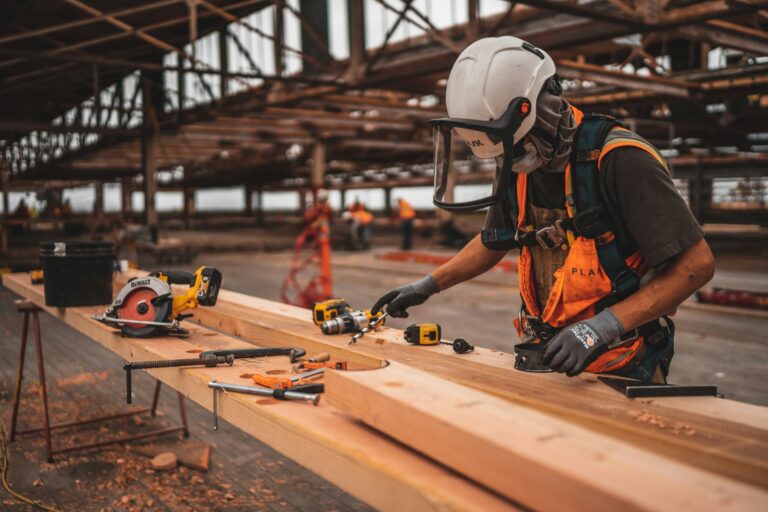
Modern construction relies on a wide range of materials that provide strength, durability, efficiency, and sustainability. Advances in technology and engineering have improved traditional materials while introducing innovative alternatives that meet today’s structural, environmental, and aesthetic demands. Understanding these materials and their applications helps builders, engineers, and property owners make informed decisions throughout the construction process.
1. Concrete
Concrete is one of the most widely used construction materials in the world due to its strength, versatility, and durability. It is made from cement, sand, aggregates, and water, and can be molded into almost any shape before hardening. Concrete is commonly used for foundations, slabs, columns, beams, and roads. Modern variations such as reinforced concrete and precast concrete improve load-bearing capacity and construction speed, making it ideal for residential, commercial, and infrastructure projects.
2. Steel
Steel plays a critical role in modern construction because of its high strength-to-weight ratio and flexibility. It is commonly used for structural frameworks, reinforcement bars, roofing systems, and bridges. Steel allows for the construction of taller buildings with large open spaces, making it popular in commercial and industrial projects. Its durability, resistance to pests, and recyclability also make steel a sustainable construction choice.
3. Wood and Engineered Timber
Wood remains a popular material, especially in residential construction, due to its natural appearance and ease of use. Engineered wood products such as plywood, laminated veneer lumber (LVL), and cross-laminated timber (CLT) offer improved strength and stability compared to traditional timber. Wood is used for framing, flooring, roofing, and interior finishes. When sourced responsibly, it is an environmentally friendly and renewable material.
4. Brick and Masonry
Brick and masonry materials, including stone and concrete blocks, are valued for their durability, fire resistance, and aesthetic appeal. These materials are commonly used for walls, facades, and pavements. Brick structures provide excellent thermal insulation and require minimal maintenance. In modern construction, masonry is often combined with steel or concrete frameworks to enhance structural performance.
5. Glass
Glass has become an essential material in modern architecture, allowing for natural light, transparency, and visual appeal. It is widely used in windows, doors, facades, and interior partitions. Advanced glass types, such as tempered, laminated, and double-glazed glass, offer improved strength, safety, and energy efficiency. Glass enhances both the functionality and aesthetics of residential and commercial buildings.
6. Aluminum
Aluminum is lightweight, corrosion-resistant, and easy to fabricate, making it suitable for modern construction applications. It is commonly used for window frames, curtain walls, roofing systems, and cladding. Aluminum’s low maintenance requirements and recyclability contribute to sustainable building practices. Its flexibility also allows for innovative architectural designs.
7. Plastics and Polymers
Plastics and polymer-based materials are increasingly used due to their versatility and durability. Materials such as PVC, HDPE, and polycarbonate are used in piping systems, insulation, roofing sheets, and electrical conduits. These materials are resistant to moisture, corrosion, and chemicals, making them suitable for both interior and exterior applications.
8. Insulation Materials
Insulation materials play a vital role in energy efficiency and occupant comfort. Common insulation materials include fiberglass, mineral wool, foam boards, and spray foam. These materials reduce heat transfer, lower energy consumption, and improve indoor climate control. Proper insulation is essential for meeting modern energy efficiency standards and sustainability goals.
9. Sustainable and Eco-Friendly Materials
Modern construction increasingly focuses on sustainability and environmental responsibility. Eco-friendly materials such as recycled steel, bamboo, rammed earth, and recycled concrete help reduce environmental impact. Green materials improve energy efficiency, reduce waste, and support long-term environmental goals. Their use is becoming more common in both residential and commercial construction projects.
Conclusion
Modern construction depends on a diverse range of materials, each serving specific structural, functional, and aesthetic purposes. From traditional materials like concrete and wood to advanced options such as engineered timber and sustainable alternatives, the right material selection is crucial for project success. Understanding the applications and benefits of these materials helps ensure durable, efficient, and environmentally responsible construction outcomes.