
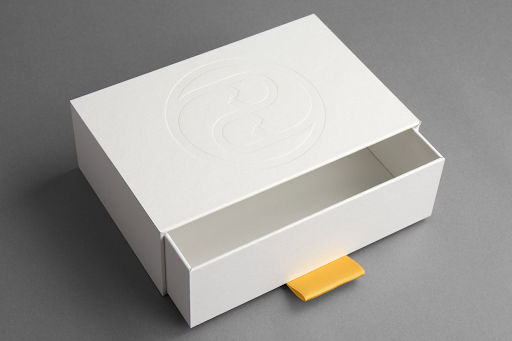
Rigid packaging plays a vital role in protecting products while enhancing their presentation. Rigid packaging is known for its strength, durability and premium feel. It protects products during transportation. When brands want to create a strong first impression, they choose a rigid Box. Learn and explore the materials, uses and benefits of rigid packaging and how they enhance brand presentation.
What Is Rigid Packaging?
Rigid packaging is a highly durable packaging solution. Rigid boxes are the go-to choice for high-end brands when it comes to protection and premium aesthetics. They are made from high-quality and solid materials. It’s a shape-retaining packaging option commonly used for premium products.
Advantages And Disadvantages Of Rigid Packaging
Rigid Box Packaging has its own advantages and disadvantages. Below is a quick breakdown to help you understand its pros and cons.
Advantages
- It provides superior protection for premium products.
- It maintains shape and structure even under pressure.
- It enhances the brand presentation and visibility with a high-end look.
- It is ideal for gifting, luxury items and retail displays.
- It offers better product security during shipping.
- It helps boost brand sales.
Disadvantages
- It is generally more expensive to produce than flexible packaging.
- It takes up more storage than other packagings.
- It is less eco-friendly depending on the materials and coatings used.
- Limited flexibility in design compared to foldable and flexible options.
Best Materials for Packaging
Choosing the right materials can make your packaging look premium and eye-catching. Different materials offer different benefits. Here are some of the best options used in rigid Box Packaging.
- Paperboard: ideal for luxury boxes
- Corrugated Board: ideal for heavy or fragile products
- Rigid Plastic: ideal for high durability and premium appearance.
- Wood: ideal for high-end and gift packaging.
- Metal: ideal for food and beauty products.
- Glass: ideal for perfumes, beverages and skincare products.
Uses of Rigid Packaging
It’s is used across many industries for its strength, durability, and premium feel. It enhances safety, durability, and aesthetics. Here are some common uses of rigid Box packaging in everyday life:
- Food and Beverages: Glass Bottles, metal cans, plastic tubes.
- Electronics: Hard cases for mobile phones, cameras and headphones.
- Cosmetic and beauty: perfume bottles, high-end cream jars, and compact cases.
- Pharmaceuticals: Blister packs, plastic medical bottles, and pill containers.
- Luxury Products: Rigid boxes for premium chocolates, watches, and jewels.
Types of Rigid Packaging
It comes in several forms. Every type offers its own strengths, durability, aesthetics, and premium feel for different products. The types of rigid packaging are given below:
- Rigid setup boxes
- Rigid plastic containers
- Rigid glass packaging
- Rigid metal packaging
- Thermoformed rigid packaging
Why Brands Prefer Rigid Packaging
It is often the top choice for brands that want to deliver a premium customer experience. Its solid structure and high-end appearance enhance the product’s value. It makes the product appealing on the store shelves. Brands also prefer rigid Box packaging because it enhances unboxing which helps create a lasting impression on customers. With its durability, luxurious feel, it showcases brand presentation and value. Brands prefer rigid packaging because it helps boost brand sales.
Eco-friendly Rigid Packaging
Eco-friendly rigid Boxes are becoming a popular choice among brands. It helps clean the environment and reduce waste. Eco-friendly rigid Boxes help build customer trust. It allows brands to present their products in a premium way that attracts eco-conscious customers. Eco-friendly materials like recycled paperboard, kraft, bamboo and reusable glass. It supports greener practices. By using eco-friendly materials, brands can show love and care for their customers and the environment.
How Much Does Rigid Box Packaging Cost?
Nowadays, packaging matters a lot to the customers. Rigid packaging’s cost to the design, material and size. Packaging like metal and glass is more costly than plastic and cardboard. Custom Packaging, including logos and unusual forms, which costs extra. Quantity affects the price. Usually, large purchases lower the cost per item. Rigid packaging costs more than flexible packaging.
Why Choose Rigid Packaging?
It is the best option for brands to protect their products while giving a premium presentation. Its solid structure ensures products stay in place and are protected from damage during shipping, handling, and storage. It’s perfect for high-value and luxurious products. It helps products stand out on store shelves. It creates a memorable unboxing experience among the customers. It delivers a premium look, enhancing the brand’s visibility and building customer trust.
Conclusion
It offers durability and premium presentation. It enhances the brand’s visibility and builds customers’ trust. Eco-friendly materials help in saving the planet from global warming. It’s not only about protecting the product but also about attracting customers by standing out on store shelves. Rigid packaging is the best choice for a brand that wants luxury and reliability.