
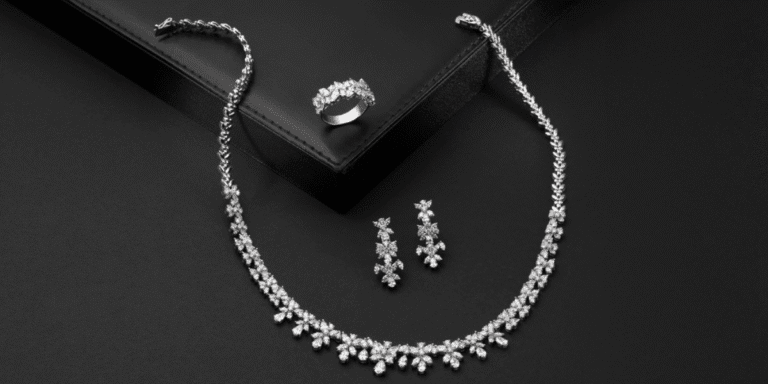
Silver jewellery is one of the most loved choices for people who want something beautiful, useful, and easy to wear. It fits almost every style, works for daily outfits, and can also look elegant at formal events. Many people like it because it feels classic, but it still looks modern when you choose the right design. This guide explains what silver jewellery is, why it stays popular, how to choose good pieces, and how to care for them so they last longer.
What Silver Jewellery is
Silver jewellery is made from silver metal. Pure silver is very soft, so most wearable pieces are made using a stronger mix. The most common type is sterling silver, which usually means 92.5% silver and the rest is another metal (often copper) to improve strength. You may see a small stamp like “925” on many items. That stamp is a helpful sign, but it is still smart to buy from a trusted seller and check quality details before purchasing.
Silver jewellery comes in many forms, such as rings, earrings, necklaces, chains, bracelets, bangles, anklets, and pendants. Some designs are simple and polished, while others include textures, engraving, stones, or special finishing.
Why Silver Jewellery is so Popular
There are many reasons why silver jewellery remains a top choice across different age groups and fashion styles.
It matches almost everything: Silver has a neutral tone, so it pairs well with casual clothes, work outfits, and dressy looks. It also looks good with many colors, from black and white to bright shades.
It works for daily wear: Many pieces are lightweight and comfortable, so you can wear them for long hours. Simple studs, thin chains, and plain rings are easy to style without feeling “too much.”
It suits both modern and traditional styles: You can find minimal designs for a clean look, as well as detailed and cultural designs for weddings, festivals, and special occasions.
It can feel premium without being loud: Silver has a soft shine that looks elegant but not overly flashy. People who prefer subtle styles often choose silver.
Types of Silver Used in Silver Jewellery
Knowing the type of silver can help you choose better pieces and understand pricing.
Sterling silver (925): This is the most common type used for quality pieces. It is durable for regular use and easy to maintain with basic care.
Fine silver (999): This is very pure silver. It has a beautiful shine but is softer, which means it can bend or scratch more easily. It is less common for items that get rough daily use.
Silver-plated jewellery: This is a base metal coated with a thin layer of silver. It can look nice but may wear off over time, especially if it is exposed to water, sweat, or friction often. It is usually cheaper than sterling silver.
If you want long-term use, sterling silver is usually a reliable option because it balances beauty and strength.
Common styles and Designs
Silver jewellery is available in many styles, so it helps to know what suits your daily life.
Minimal and modern: Thin chains, small hoops, bar pendants, simple rings, and smooth bangles. These are easy to wear and great for everyday looks.
Statement pieces: Chunky chains, bold cuffs, large hoop earrings, or large pendants. These are best when you want one strong piece that stands out.
Textured and handcrafted: Hammered finishes, engraved patterns, filigree work, oxidized designs, and antique-style details. These often look unique and artistic.
Gemstone silver jewellery: Many silver pieces include stones like cubic zirconia or natural gemstones. This can add color and create a more special look, but you should check how the stones are set.
How to Choose Good Silver Jewellery
Shopping for silver jewellery is easier when you know what to check. Here are simple factors that help you choose smarter.
Check for a stamp: Many sterling items have a “925” mark. Some pieces may also have other marks, but 925 is a common one for sterling.
Look at the finishing: A good piece should have smooth edges, clean polishing, and secure parts. Chains should not feel rough. Earring posts should be straight and comfortable.
Inspect clasps and links: For necklaces and bracelets, the clasp is important. It should open and close smoothly and feel secure. Links should not look weak or thin if the piece is meant for regular wear.
Consider your lifestyle: If you want everyday wear, choose durable pieces like simple studs, medium hoops, or sturdy chains. If you want something for events, you can choose more detailed designs.
Choose the right size: Rings should fit comfortably without being too tight. Bracelets should not slide off easily. Necklaces should sit at a length you like. If you are unsure, measure an old piece you already love.
How to Style Silver Jewellery
Silver jewellery is easy to style, even if you are not into fashion. A few simple ideas can help.
Everyday look: A thin chain necklace, small earrings, and one ring can look neat and polished without effort.
Work or formal look: Choose clean designs like a simple pendant and a matching bracelet. Avoid pieces that make noise or feel bulky if you will wear them all day.
Party look: Add one statement piece, like bold earrings or a chunky chain, and keep other accessories simple.
Layering: Silver is perfect for layering. You can wear two or three necklaces in different lengths. You can also stack thin rings or bracelets for a trendy look.
Mixing metals: Some people mix silver with gold or rose gold. If you want to do that, keep one metal as the main focus and use the other as a small accent.
Does Silver Jewellery Tarnish?
Yes, silver jewellery can tarnish over time. Tarnish is a natural process where silver reacts with air and moisture and forms a darker layer. It does not mean the jewellery is “bad.” It just means it needs cleaning.
Some things can speed up tarnish, such as perfume, sweat, humid air, chlorine, and harsh chemicals. The good news is that tarnish is usually easy to remove with gentle cleaning.
How to Care for Silver Jewellery
If you want silver jewellery to stay bright and last longer, simple care helps a lot.
Store it properly: Keep pieces in a dry place, away from humidity. Using a soft pouch or a closed box can slow tarnish. Keeping items separate also prevents scratches.
Keep it away from chemicals: Perfume, hairspray, lotion, and cleaning products can affect shine. A good habit is to put on jewellery after you are done with skincare and perfume.
Avoid water when possible: Some people wear silver in the shower, but regular exposure to water and soap can dull it over time. Chlorine in pools can be especially harsh.
Clean gently: Use a soft cloth to wipe pieces after wearing. This removes oils and sweat and helps maintain shine.
Polish when needed: A silver polishing cloth can bring back shine. For deeper cleaning, mild soap with lukewarm water can work, but dry the piece fully afterward.
If a piece has stones, be extra careful and avoid soaking it for too long, especially if the stone is delicate or glued.
To read more blog: The Timeless Appeal of Luxury Rosegold Women’s Watches
Silver Jewellery as a Gift
Silver jewellery is a popular gift because it feels meaningful and practical. It can be given for birthdays, anniversaries, graduations, or special moments. Since there are many designs, it is easy to choose something that matches the person’s style. If you are unsure, simple pieces like a thin chain, small studs, or a classic bracelet are usually safe choices.