
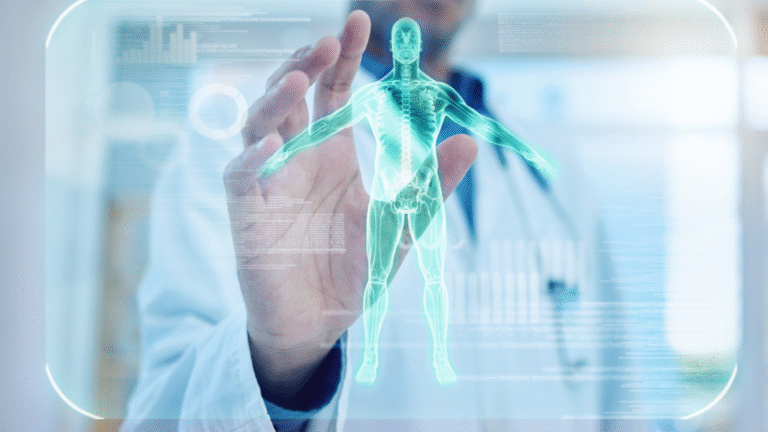
Preventive care is evolving faster than ever, and at the heart of this transformation is AI–Powered Health Optimization. Instead of reacting to illness after it appears, modern healthcare is shifting toward predicting, preventing, and personalizing care before issues arise. Artificial intelligence is enabling smarter, faster, and more accurate insights — helping people stay healthier while reducing the pressure on medical systems around the world.
AI is no longer just a tool; it is becoming a trusted health companion that continuously learns, analyzes, and supports human well-being.
What AI-Powered Health Optimization Really Means
AI-powered health optimization focuses on using intelligent technologies to improve everyday wellness and long-term health outcomes. It blends data from wearable devices, medical records, lifestyle behaviors, and environmental factors to provide more accurate health predictions and recommendations.
Key elements include:
- Real-time monitoring of vital signs and habits
- Personalized insights based on individual health data
- Early detection of potential health issues
- Continuous learning from large medical datasets
- Enhanced decision-making for patients and healthcare providers
This approach makes preventive care more proactive, predictive, and adaptive.
How AI Strengthens Preventive Care
AI enhances preventive care by turning raw data into actionable insights. It bridges the gap between daily life and clinical expertise, helping people understand their health with clarity and confidence.
1. Early Detection Through Predictive Analytics
AI systems analyze patterns that humans may not notice. By examining long-term health trends, AI can identify early warning signs of chronic conditions, such as:
- Heart disease
- Diabetes
- Hypertension
- Respiratory conditions
Predictive analytics transforms routine data into personalized risk forecasts, allowing for earlier and more effective interventions.
2. Personalized Health Recommendations
AI tailors wellness plans based on individual needs rather than one-size-fits-all advice. Personalized suggestions may include:
- Activity adjustments
- Nutrition optimization
- Sleep improvement strategies
- Stress and mental well-being recommendations
This level of customization increases compliance and boosts overall results.
3. Smarter Wearables and Remote Monitoring
Connected devices are becoming more intelligent, measuring:
- Heart rate variability
- Blood oxygen levels
- Movement patterns
- Blood glucose
- Sleep cycles
AI interprets these readings to identify subtle shifts in health that might otherwise be overlooked. This is especially valuable for people managing chronic conditions or recovering from medical procedures.
4. Enhanced Clinical Decision Support
Doctors and healthcare teams also benefit from AI-powered insights. Advanced systems help:
- Analyze medical images
- Track patient progress
- Recommend potential diagnoses
- Suggest treatment adjustments
- Alert clinicians to urgent changes
AI does not replace healthcare professionals — it empowers them with deeper accuracy and faster decision-making.
The Role of Data in AI-Driven Health
AI thrives on data, but it also protects it. Modern systems use secure, ethical, and governed data frameworks to ensure patient privacy. This data includes:
- Electronic health records (EHRs)
- Genomic information
- Wearable device data
- Lifestyle inputs
- Environmental exposures
The more diverse and accurate the data, the more powerful and personalized the insights become. This creates a complete health picture that supports long-term prevention.
Key Benefits of AI-Powered Health Optimization
People and healthcare providers experience a wide range of advantages when AI becomes part of preventive care.
For Individuals
- Better awareness of personal health
- Faster detection of potential risks
- Continuous guidance tailored to habits and routines
- Greater motivation through measurable progress
For Healthcare Providers
- Reduced administrative workload
- Better insights into patient conditions
- More efficient care planning
- Higher accuracy in diagnosis and treatment
For Health Systems
- Lower costs through early intervention
- Reduced hospitalization rates
- More efficient allocation of resources
- Improved community health outcomes
Practical Applications Already Shaping the Future
AI-powered preventive care is not a distant idea — it’s happening now. Some real-world uses include:
- AI-driven apps that monitor heart rhythm for early arrhythmia detection
- Smart nutrition tools that analyze meals and recommend healthier choices
- Virtual health assistants that track symptoms and suggest next steps
- Machine learning models that forecast disease progression
- Population-level analytics that help governments plan healthier communities
These innovations are pushing preventive healthcare into a new, more intelligent direction.
Challenges and Opportunities Ahead
Despite its promise, AI-powered health optimization faces challenges such as data privacy concerns, uneven access to digital tools, and the need for user education. However, the opportunities outweigh the obstacles. With continued innovation, collaboration, and ethical governance, AI has the power to make preventive care more accessible, accurate, and impactful for all.
Final Perspective for volv.global
At volv.global, the vision of a healthier world is shaped by advanced intelligence, human insight, and continuous innovation. By focusing on AI-Powered Health Optimization, the goal is to make preventive care smarter, more inclusive, and more intuitive. Through technologies that analyze patterns, predict risks, and support personal well-being, volv.global is helping build a future where healthcare is proactive rather than reactive. This shift empowers individuals to take control of their health write for us journeys and enables organizations to deliver more efficient, data-driven care.