
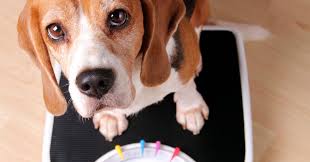
If your dog is carrying extra weight, you’re not alone. Canine obesity has become increasingly common, and many loving pet owners don’t realize their dog is overweight until health problems begin to appear. The good news? With the right dog weight loss plan, your dog can safely return to a healthy weight, regain energy, and enjoy a longer, happier life.
This comprehensive guide walks you through everything you need to know—from identifying excess weight to creating a structured feeding and exercise routine. The goal is simple: safe, steady, and sustainable weight loss.
Why Your Dog’s Weight Matters More Than You Think
Extra weight doesn’t just affect appearance. It puts real strain on your dog’s body.
Overweight dogs are more likely to develop:
- Arthritis and joint pain
- Heart disease
- Type 2 diabetes
- Breathing problems
- Reduced stamina
- Liver disease
- Shortened lifespan
Studies show that maintaining a healthy weight can extend a dog’s life by nearly two years. That’s significant. Even a modest weight loss of 5–10% can dramatically improve mobility and overall well-being.
Step 1: Confirm Your Dog Needs a Weight Loss Plan
Before changing your dog’s diet, confirm whether weight loss is necessary.
Check the Body Condition Score (BCS)
Veterinarians use a 9-point Body Condition Score scale:
- 1–3: Underweight
- 4–5: Ideal
- 6–7: Overweight
- 8–9: Obese
At-Home Assessment Tips
You can do a quick check at home:
- Ribs: You should feel them easily without pressing hard.
- Waistline: Look from above—there should be a visible inward curve.
- Abdomen: From the side, the belly should tuck up toward the back legs.
If your dog looks rounded or you struggle to feel ribs, weight loss may be necessary.
Schedule a Veterinary Visit First
A proper dog weight loss plan always starts with your veterinarian.
Your vet will:
- Check for underlying conditions (such as hypothyroidism)
- Determine ideal body weight
- Calculate safe calorie intake
- Recommend therapeutic diets if needed
This step ensures you’re not missing a medical cause and that weight loss is safe.
Step 2: Calculate Your Dog’s Daily Calorie Needs
This is where many pet owners go wrong. Guessing portion sizes often leads to overfeeding.
Determine Target Weight
Your vet may provide an ideal weight. If not, aim for a realistic target based on breed standards and body condition.
Use Calorie Guidelines
A general guideline for weight loss:
- Dogs should consume about 60–70% of their maintenance calories
For example:
If a dog maintains weight at 800 calories per day, weight loss calories may range between 480–560 calories daily.
However, this varies by:
- Age
- Activity level
- Breed
- Metabolism
- Neutered/spayed status
Always confirm calorie targets with your vet.
Step 3: Choose the Right Food for Weight Loss
Not all dog foods are suitable for a weight loss plan.
What to Look For
A high-quality weight management formula should have:
- High protein (to preserve muscle mass)
- Moderate fiber (to improve fullness)
- Lower fat content
- Balanced nutrients
Prescription diets may be recommended for obese dogs.
Avoid These Mistakes
- Cutting portions drastically
- Switching to low-quality “diet” foods
- Feeding table scraps
- Free-feeding (leaving food out all day)
Sudden extreme calorie restriction can slow metabolism and lead to muscle loss.
Step 4: Measure Food Precisely
Eyeballing portions is unreliable.
Use:
- A digital kitchen scale (most accurate)
- Standard measuring cups (second best option)
Even small overestimations can prevent weight loss.
Example:
An extra ¼ cup daily could add hundreds of calories weekly.
Consistency matters.
Step 5: Control Treats the Smart Way
Treats are often the hidden reason dogs fail to lose weight.
The 10% Rule
Treats should make up no more than 10% of total daily calories.
If your dog’s weight loss calorie goal is 500 calories:
- Maximum treats = 50 calories per day
Healthier Treat Options
Instead of commercial treats, try:
- Small carrot slices
- Green beans
- Cucumber pieces
- Air-popped plain popcorn (unsalted)
These provide volume without excess calories.
Step 6: Build a Safe Exercise Routine
Exercise is critical in any effective dog weight loss plan.
However, exercise must be gradual—especially for overweight dogs.
Start Slowly
If your dog is sedentary:
- Begin with 10–15 minute walks
- 1–2 times daily
- Increase duration weekly
Low-Impact Activities
Great options include:
- Leash walking
- Swimming
- Gentle hiking
- Indoor play sessions
- Puzzle toys
Avoid intense running if your dog has joint issues.
Make It Consistent
Aim for:
- 30–60 minutes of daily activity (adjusted to fitness level)
Consistency is more important than intensity.
Step 7: Monitor Progress Regularly
Weight loss should be gradual.
Safe Weight Loss Rate
Dogs should lose about:
- 1–2% of body weight per week
Rapid weight loss can be dangerous and may indicate muscle loss or illness.
Weigh Every 2–4 Weeks
Track progress and adjust calorie intake if needed.
If weight loss stalls:
- Reduce calories slightly (with vet guidance)
- Increase exercise duration
- Reevaluate treats
Avoid frequent drastic changes.
Step 8: Address Behavioral and Environmental Factors
Weight gain often involves lifestyle habits.
Common Contributing Factors
- Multiple family members feeding extra snacks
- Boredom eating
- Lack of activity
- Emotional feeding
Solutions
- Create a feeding chart for the household
- Use scheduled meal times
- Replace food rewards with play or affection
- Provide mental enrichment toys
Structure and routine are key.
Step 9: Adjust the Plan for Senior Dogs
Older dogs may have:
- Slower metabolism
- Joint pain
- Reduced activity
For senior dogs:
- Focus on joint-friendly exercise
- Prioritize high-protein diets
- Monitor closely for muscle loss
Weight loss may be slower—but still beneficial.
Step 10: Transition to Maintenance Mode
Once your dog reaches ideal weight:
- Gradually increase calories to maintenance level
- Continue portion control
- Maintain regular exercise
- Weigh monthly
Weight regain is common if habits slip.
A lifelong commitment prevents rebound weight gain.
Common Mistakes to Avoid in a Dog Weight Loss Plan
- Cutting food too quickly
- Ignoring calorie content of treats
- Skipping veterinary supervision
- Comparing your dog’s progress to others
- Expecting rapid results
Healthy weight loss is steady—not dramatic.
When to Seek Immediate Veterinary Advice
Contact your vet if your dog:
- Stops eating
- Becomes lethargic
- Loses weight too rapidly
- Shows vomiting or diarrhea
- Appears weak
Safety always comes first.
How Long Does a Dog Weight Loss Plan Take?
It depends on how much weight needs to be lost.
For example:
- A dog needing to lose 10 pounds may take 4–6 months
- Severely obese dogs may require 8–12 months
Patience produces safer, longer-lasting results.
Final Thoughts: A Healthier Weight Means a Happier Life
Helping your dog lose weight is an act of love. A well-structured dog weight loss plan improves mobility, reduces pain, increases lifespan, and restores energy.
Remember:
- Start with your veterinarian
- Measure food carefully
- Limit treats
- Increase activity gradually
- Track progress consistently
Small changes done consistently make the biggest difference.