
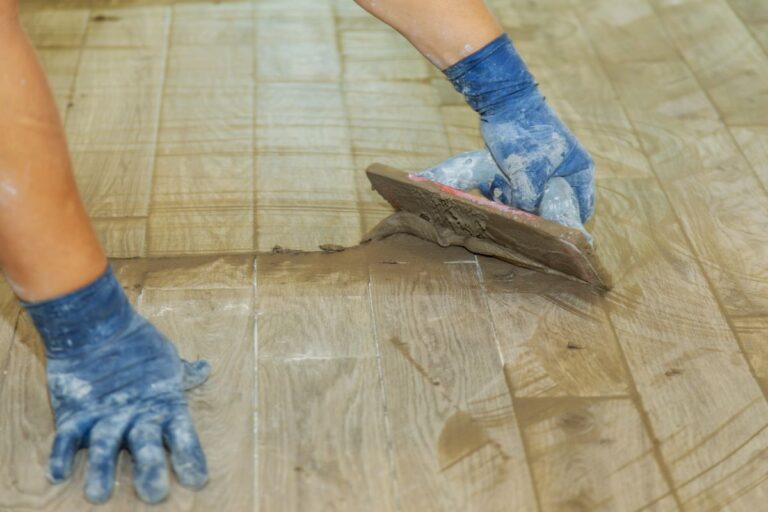
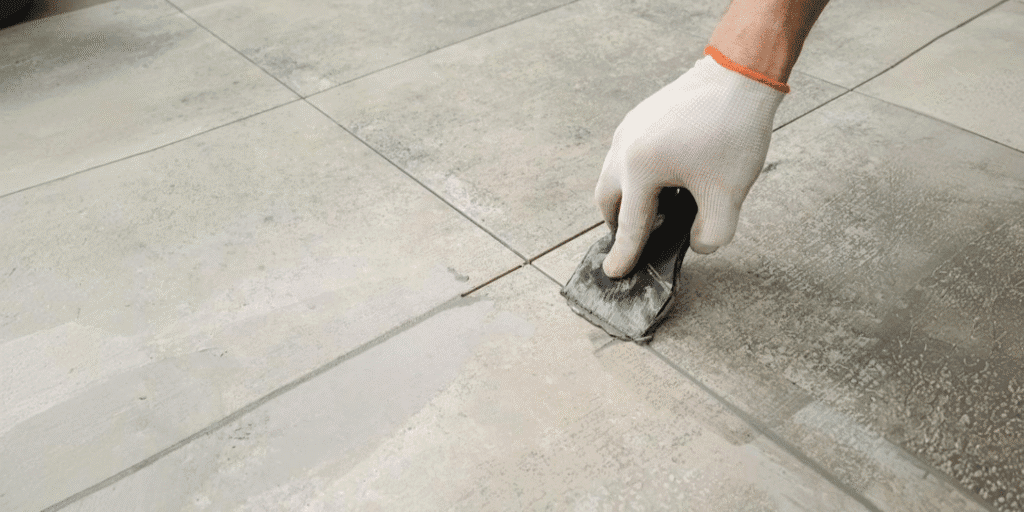
Tile looks crisp and modern, but the thin lines between tiles do a lot of heavy lifting. Those lines are Tile Grout—they lock tiles in place, resist moisture, and influence how clean (or grimy) a floor or wall appears. When grout is chosen well and cared for correctly, tile installations stay sharp for years with less effort.
This guide explains what grout is, how it behaves, which types fit different spaces, and how to clean, seal, and repair it without drama. It stays focused on what helps homeowners and facility managers get better results.

What Tile Grout Is and Why It Matters
At its simplest, Tile Grout is a fill material placed in the joints between tiles. It supports the edges of tiles, reduces movement, and helps keep water and dirt from slipping into the gaps. Grout also affects the overall look of the surface: wider joints read more “traditional,” while tighter joints feel sleek and contemporary.
Because grout is often slightly porous, it can absorb spills, hold onto soap residue, and trap soil from shoes. That’s why grout lines tend to discolor first—even when the tile itself still looks clean.
Common Types of Tile Grout
Not all grout is the same. The best type depends on tile size, joint width, water exposure, and the level of maintenance someone is willing to do.
Cement-based grout (sanded and unsanded)
Cement-based grout is the classic option. It’s affordable and widely available.
- Sanded versions work better for wider joints because the sand reduces shrinkage and cracking.
- Unsanded versions are smoother and often used for narrow joints or delicate tile that could scratch.
Cement grout can stain if left unsealed, so most installations benefit from a sealer after curing.
Epoxy grout
Tile Grout made from epoxy resin is highly stain resistant and much less porous. It’s a strong choice for showers, kitchen backsplashes behind stoves, and busy commercial areas. Epoxy typically costs more and can be trickier to install, but it rewards the effort with easy cleaning and long-term durability.
Pre-mixed / single-component grout
Single-component grout comes ready to use. Many modern formulas combine polymers and fine fillers to resist stains and cracking better than basic cement grout. It can be convenient for small projects, though it may be pricier per square foot.
Choosing Tile Grout by Room
A room-by-room approach helps prevent future headaches.
Bathrooms and showers
Bathrooms deal with daily moisture, soap scum, and temperature swings. Many pros favor epoxy or high-performance cement grout plus a quality sealer. Tile Grout in wet zones also benefits from good ventilation and proper slope to drains, because standing water accelerates discoloration.
Kitchens
Kitchens see grease, food spills, and frequent wipe-downs. Darker grout can hide stains, but it also shows mineral deposits less. A stain-resistant Tile Grout (epoxy or upgraded single-component) can cut down on deep cleaning.
Entryways and hallways
High-traffic floors collect grit that acts like sandpaper. Durable grout and regular sweeping matter more here than fancy cleaners. A slightly darker Tile Grout shade often looks fresher longer.
Outdoor tile
Outdoor surfaces face UV, rain, and freeze-thaw cycles. The key is choosing a grout rated for exterior use and ensuring the tile system is designed for movement and drainage. Tile Grout outside should also be checked seasonally for cracks that allow water intrusion.
How Color and Joint Width Affect the Look
Grout color can either blend in or create contrast.
- Matching grout (tile and grout close in shade) makes a surface feel larger and calmer.
- Contrasting grout highlights tile shape and layout—great for subway tile patterns or mosaics.
Joint width also matters. Wider joints can forgive minor tile size variation, while narrow joints emphasize precision. The “right” choice depends on tile style, the flatness of the substrate, and the vibe someone wants.
When selecting Tile Grout color, it helps to test a small area after it cures. Wet grout often looks darker than its final shade.
Grout Cleaning: What Works Without Damage
Grout cleaning works best when it’s consistent and gentle.
Everyday maintenance
For routine care, a pH-neutral cleaner and a soft brush are usually enough. The goal is to remove soil before it bonds to the surface. A quick weekly scrub keeps Tile Grout from building up a stubborn film.
Deep cleaning for discoloration
When grout is dingy, oxygen-based cleaners (often labeled as “oxygen bleach”) can lift organic stains with less risk than chlorine bleach. A paste of baking soda and water can also help, especially with light stains, as long as it’s scrubbed gently and rinsed well.
Steam cleaning can work on some installations, but it should be used carefully. Too much heat and moisture in one spot can worsen weak grout or push water behind tiles.
What to avoid
- Straight vinegar or strong acids can etch natural stone and may degrade cement grout.
- Excessive chlorine bleach can lighten grout unevenly and weaken cement binders over time.
- Metal brushes can scratch tile and tear up grout joints.
If a cleaning label doesn’t explicitly mention grout safety, it’s better to spot-test first. Tile Grout should brighten gradually, not crumble or become chalky.
Sealing Grout: When It Helps and When It Doesn’t
Sealer is not a magic shield, but it can make maintenance easier by reducing absorption.
Cement grout needs sealing
Most cement grout benefits from sealing after it cures. A penetrating sealer can help repel water and oils, giving spills more time to be wiped up before staining.
Epoxy grout usually does not
Epoxy is already non-porous enough that sealing typically isn’t required.
How often to reseal
Resealing frequency depends on traffic and cleaning habits. A practical method is the “water test”: if water darkens the grout quickly, it’s time to reseal. In busy homes, that might be every 1–2 years; in low-traffic areas, longer.
Preventing Cracks and Loose Grout
Cracked grout isn’t just cosmetic. It can signal movement, moisture issues, or installation problems.
Common causes include:
- Subfloor or wall movement
- Insufficient thinset coverage under tiles
- Joints that don’t match the grout type
- Missing expansion joints in large areas
When Tile Grout cracks repeatedly in the same place, the root cause may be movement, not the grout itself. In that situation, repairs should include checking for loose tiles, shifting substrates, or missing expansion gaps.
Repairing Grout: A Straightforward Approach
Small repairs can extend the life of a tiled surface without a full replacement.
Spot repairs
For hairline cracks or small missing sections, the damaged grout should be removed to a consistent depth first (often at least 2/3 of the joint depth). Then fresh grout can be packed in and shaped. Matching color is easier when the original grout brand and shade are known.
Regrouting larger areas
When grout is widely stained, powdery, or uneven, regrouting can refresh the whole surface. It involves removing old grout carefully (without chipping tile edges), cleaning out dust, and applying new Tile Grout evenly. After curing, sealing may be needed depending on grout type.
When caulk is the better choice
Corners and changes of plane—like wall-to-floor joints—often need flexible caulk rather than grout. Using grout in those areas can lead to recurring cracks. For long-term performance, flexible sealant keeps the joint watertight while allowing minor movement.
Grout and Mold: What People Should Know
Mold and mildew often show up where moisture lingers, especially in showers. Grout itself may not “cause” mold, but porous grout and trapped soap residue provide a friendly environment for growth.
Reducing mold is usually about moisture control:
- Run fans and open windows after showers
- Wipe down wet walls and floors
- Fix leaks quickly
- Keep cleaning regular so residue doesn’t build up
In many homes, improving ventilation does more for grout appearance than switching to stronger cleaners.
Quick Checklist for Better Results
A simple plan keeps grout looking good:
- Choose the right grout type for the room.
- Pick a practical color that fits the cleaning routine.
- Clean gently and consistently, with a soft brush.
- Seal cement grout after curing and reseal when water absorbs quickly.
- Repair cracks early to prevent water intrusion.
- Use flexible caulk at corners and movement points.
With the right choices and a light maintenance routine, Tile Grout stays neat, protects the installation, and helps tile surfaces look “new” far longer.
Frequently Asked Questions (FAQs) About Tile Grout
1. How often should Tile Grout be cleaned?
Tile Grout should be lightly cleaned at least once a week in high-use areas such as kitchens and bathrooms. Deep cleaning is recommended every 2–3 months to prevent stains and buildup.
2. Can Tile Grout change color over time?
Yes, Tile Grout can darken or discolor due to dirt, moisture, soap residue, and mold growth. Regular cleaning and proper sealing help maintain its original color for longer.
3. Is sealing Tile Grout really necessary?
Sealing is highly recommended for cement-based Tile Grout. It reduces moisture absorption and makes cleaning easier. Epoxy grout usually does not need sealing.
4. How long does Tile Grout take to dry after installation?
Most Tile Grout becomes touch-dry within 24 hours, but full curing can take 48 to 72 hours. Sealing should only be done after complete curing, as recommended by the manufacturer.
5. What is the best way to remove stains from Tile Grout?
A soft brush and pH-neutral cleaner work best for regular stains. For tougher stains, oxygen-based cleaners or baking soda paste can help without damaging the grout.
6. When should Tile Grout be replaced instead of repaired?
Tile Grout should be replaced when it becomes powdery, deeply cracked, heavily stained, or loose. If repeated repairs fail, regrouting is usually the better solution.
7. Can Tile Grout prevent water leaks?
Tile Grout helps reduce water penetration, but it is not fully waterproof. Proper waterproof membranes and sealants behind tiles are essential for long-term moisture protection.
8. What is the average lifespan of Tile Grout?
With proper installation and maintenance, Tile Grout can last 10 to 15 years or more. High-quality grout and regular sealing can extend its lifespan even further.
Final Thoughts
Grout lines may be small, but they have an outsized effect on durability and cleanliness. When the installation matches the room’s demands—and when cleaning and sealing are handled in a sensible way—Tile Grout becomes low-maintenance instead of a constant frustration. The result is tile that looks sharp and holds up to daily life.