
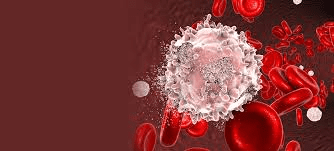
Blood cancers affect the cells responsible for immunity, oxygen transport, and clotting, which explains their wide-ranging impact on health. Unlike solid tumours, these cancers originate in the blood or bone marrow and often affect multiple organ systems simultaneously. Early awareness helps people recognise symptoms, seek timely diagnosis, and understand available care options. A clear overview of blood cancer types and blood cancer treatment approaches can support informed discussions with specialists and reduce uncertainty during decision-making.
What Blood Cancer Means for the Body?
Blood cancer develops when abnormal blood cells grow uncontrollably and interfere with normal cell function. These abnormal cells usually originate in the bone marrow, where blood cells form. As the disease progresses, healthy white blood cells, red blood cells, and platelets decline in number. This change explains common concerns, including frequent infections, fatigue, and easy bruising. Understanding this process helps explain why treatment plans differ from those used for other cancers.
Main Types of Blood Cancer
Blood cancers fall into three primary categories, based on the blood cell involved. Each type behaves differently, which directly affects treatment planning and expected outcomes.
Leukaemia
Leukaemia affects white blood cells and the bone marrow. These abnormal cells multiply quickly and crowd out healthy cells, disrupting normal blood production. Some forms progress rapidly, while others develop slowly over time. Because leukaemia often spreads through the bloodstream early, doctors rely on systemic blood cancer treatment options rather than local therapies alone.
Lymphoma
Lymphoma begins in the lymphatic system, which plays a central role in immune defence. Cancerous lymphocytes accumulate in lymph nodes and other tissues, leading to swelling and an immune imbalance. Lymphoma is broadly grouped into Hodgkin and non-Hodgkin types, each requiring different treatment strategies. The disease may remain localised initially, but it can spread if not managed appropriately.
Multiple Myeloma
Multiple myeloma develops from plasma cells, which normally produce antibodies. When these cells become abnormal, they reduce the body’s ability to fight infections. Myeloma also affects bones and kidneys, making symptom management an important part of care. Treatment often focuses on controlling disease activity while maintaining quality of life.
How Blood Cancer Is Diagnosed?
Diagnosis involves a combination of blood tests, imaging, and bone marrow examination. Blood tests reveal abnormal cell counts, while imaging helps assess organ involvement. Bone marrow tests confirm the cancer type and guide treatment decisions. Accurate diagnosis allows specialists to match patients with the most effective blood cancer treatment approach for their specific condition.
Key Approaches to Blood Cancer Treatment
Treatment plans vary based on cancer type, stage, age, and overall health. Doctors often combine therapies to improve outcomes and reduce disease progression.
Chemotherapy
Chemotherapy uses medicines to destroy rapidly dividing cancer cells. It often forms the foundation of treatment for many blood cancers. While it affects healthy cells too, doctors adjust dosage and timing to balance effectiveness with safety. Chemotherapy may be given alone or alongside other therapies, depending on the diagnosis.
Targeted Therapy
Targeted therapy focuses on specific proteins or genetic changes within cancer cells. By acting on these targets, treatment limits damage to healthy cells. Many patients tolerate targeted therapy better than traditional chemotherapy, which makes it a valuable option in modern blood cancer treatment plans.
Immunotherapy
Immunotherapy helps the immune system recognise and attack cancer cells. This approach includes treatments that enhance immune response or use modified immune cells. Immunotherapy has expanded treatment options, particularly for patients who do not respond to standard therapies.
Radiation Therapy
Radiation therapy uses high-energy beams to destroy cancer cells in specific areas. In blood cancers, doctors use radiation selectively, such as to reduce lymph node swelling or prepare the body for stem cell transplantation. Its targeted nature makes it useful in certain clinical situations.
Stem Cell Transplant
Stem cell transplantation replaces damaged bone marrow with healthy stem cells. This procedure allows doctors to use higher treatment doses to control cancer. Transplants may use the patient’s own cells or cells from a matched donor. Recovery requires close monitoring, as the immune system needs time to rebuild.
Factors That Influence Treatment Decisions
Before recommending a treatment plan, doctors carefully assess multiple clinical and personal factors to ensure blood cancer treatment is both suitable and effective for the individual.
- Type of blood cancer: Leukaemia, lymphoma, and myeloma behave differently and require distinct treatment approaches.
- Stage and progression of disease: The extent and speed of spread influence the urgency and intensity of therapy.
- Previous treatment response: Past reactions to medicines or therapies guide future choices.
- Existing medical conditions: Other health issues can affect the safety of certain treatments.
- Age and physical strength: Treatment tolerance varies depending on overall fitness and resilience.
- Lifestyle considerations: Daily routine, support systems, and work commitments may influence planning.
- Genetic and molecular findings: Specific blood test markers can help select targeted therapies.
Considering these factors allows doctors to design a treatment plan that balances effectiveness with the patient’s ability to tolerate and complete therapy.
Conclusion
Blood cancer includes several conditions that affect how the body produces and uses blood cells. Each type requires a different clinical approach, which explains the range of available treatment options. Advances in blood cancer treatment continue to improve outcomes by combining precision therapies with supportive care. Early diagnosis and tailored treatment planning remain key factors in managing the disease effectively and supporting long-term health.