
Have you noticed your electricity bills creeping higher each quarter? Are unexpected power outages costing your business time, money, and customer trust? What if there was a way to take control of your energy costs while doing your bit for the environment?
For Australian businesses, energy has become one of the most unpredictable operational expenses. With wholesale electricity prices fluctuating wildly and grid reliability becoming a genuine concern, many business owners are searching for smarter ways to manage their power needs. Commercial battery storage has emerged as a game-changing solution that’s helping businesses across the country gain energy independence and slash their electricity costs.
What Is Commercial Battery Storage and How Does It Work?
The Basic Components of a Commercial Battery System
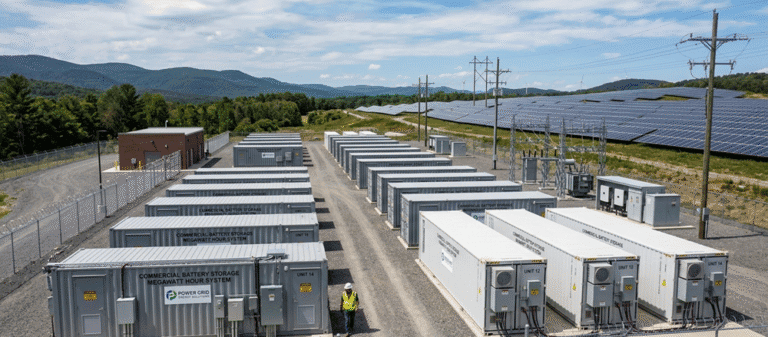
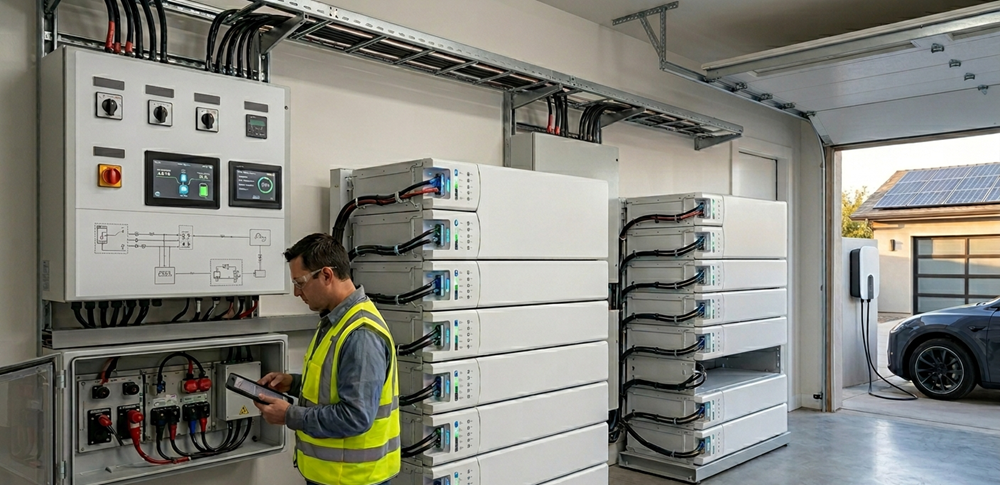
At its core, a commercial battery storage system captures and stores electrical energy for later use. Think of it as a giant rechargeable battery for your business premises. The system typically includes battery cells (usually lithium-ion), an inverter to convert stored DC power to usable AC power, a battery management system, and monitoring software.
The battery management system is particularly important. It monitors cell temperatures, manages charging cycles, and protects against overcharging or deep discharge. This keeps your investment running safely and efficiently for years to come.
How Do Businesses Store and Use Energy On-Demand?
During off-peak hours when electricity rates are lower, the system charges up. When peak pricing kicks in, your business draws from stored energy instead of the grid. If you’ve got solar panels installed, excess generation flows into the batteries rather than being exported back to the grid at minimal feed-in tariffs. This stored solar energy can then power your operations during the evening or on cloudy days.
Why Are More Businesses Investing in Battery Storage Solutions?
Rising Energy Costs and the Need for Cost Control
Australian electricity prices have increased significantly over the past decade. For many businesses, power costs now represent a substantial portion of operating expenses. Battery storage provides a buffer against these rising costs by allowing you to buy and store electricity when it’s cheapest.
Energy Independence and Reduced Grid Reliance
Grid outages can be devastating for businesses. Whether you’re running a restaurant with perishable stock or a manufacturing facility with time-sensitive orders, power interruptions hurt your bottom line. Battery storage paired with solar gives you genuine energy independence, keeping critical systems running when the grid fails.
Supporting Sustainability Goals and Corporate Responsibility
Today’s consumers care about environmental impact. Many businesses are setting ambitious sustainability targets, and battery storage helps achieve them. By maximising renewable energy use and reducing reliance on fossil fuel-generated grid power, you’re demonstrating real commitment to corporate responsibility.
What Are the Benefits of Commercial Battery Storage for Businesses?
Significant Reduction in Electricity Bills
The financial benefits are compelling. By shifting energy usage away from peak periods and maximising self-consumption of solar power, businesses typically see electricity bill reductions of 30-50%. For energy-intensive operations, these savings can amount to tens of thousands of dollars annually.
Protection Against Power Outages and Grid Instability
Backup power isn’t just convenient—it’s essential for business continuity. A well-designed battery system provides seamless switchover during outages, protecting sensitive equipment and maintaining operations. This reliability can be invaluable for data centres, healthcare facilities, and hospitality businesses.
Peak Demand Management and Load Shifting
Many commercial electricity tariffs include demand charges based on your highest power usage during billing periods. Battery systems can cap these demand spikes by supplying stored energy during high-usage moments, resulting in lower demand charges and more predictable bills.
Maximising Return on Solar Panel Investments
If you’ve already invested in commercial solar, battery storage dramatically improves your returns. Without storage, excess solar generation earns minimal feed-in tariffs. With batteries, that same energy powers your evening operations, effectively tripling its value.
How Do You Choose the Right Commercial Battery Storage System?
Key Features to Look For
Prioritise systems with strong warranties—look for at least 10 years coverage. Scalability matters too; your energy needs might grow. Round-trip efficiency (how much energy you get out versus what you put in) should exceed 90%. Smart monitoring capabilities let you track performance and optimise usage patterns.
Comparing Battery Technologies: Lithium-Ion vs Alternatives
Lithium-ion batteries dominate the commercial market for good reason. They offer excellent energy density, long cycle life, and proven reliability. Lithium iron phosphate (LFP) variants provide enhanced safety and longevity, making them popular for commercial applications. Emerging alternatives like flow batteries suit very large installations but remain less common.
Working with Reputable Installers and Suppliers
Choose accredited installers with commercial project experience. Ask for case studies and references from similar businesses. Verify they’re Clean Energy Council approved and check their warranty support reputation. A quality installation makes all the difference to system performance and longevity.
Common Concerns and Misconceptions About Commercial Battery Storage
Is Battery Storage Safe for Commercial Properties?
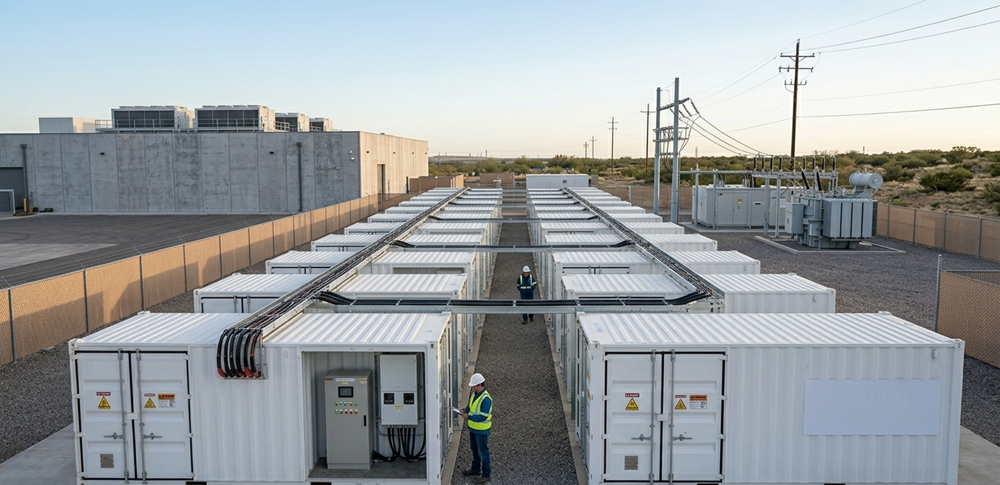
Modern commercial battery systems include multiple safety features: thermal management, fire suppression, and automatic shutdown protocols. When properly installed by qualified professionals, these systems are extremely safe. Lithium iron phosphate batteries offer additional peace of mind with their inherent thermal stability.
What Maintenance Do Commercial Batteries Require?
Battery storage systems require minimal maintenance compared to other business equipment. Regular visual inspections, occasional firmware updates, and annual professional check-ups keep everything running smoothly. Most monitoring systems alert you automatically if any issues arise.
How Long Do Commercial Battery Systems Last?
Quality commercial batteries typically last 10-15 years, with many manufacturers guaranteeing 70-80% capacity retention after 10 years. This longevity means your investment continues delivering value well beyond the payback period.
The Future of Commercial Energy Storage in Australia
The trajectory is clear: battery storage will become standard for Australian businesses. Costs continue falling while performance improves. Grid instability from extreme weather events makes backup power increasingly essential. Government support for renewable energy storage is expanding. Businesses adopting battery storage now position themselves advantageously for a future where energy independence separates thriving companies from struggling ones.
Taking the Next Step Towards Energy Resilience
Commercial battery storage Adelaide represents one of the smartest investments Australian businesses can make right now. The combination of reduced electricity costs, protection against outages, and sustainability benefits creates a compelling case across virtually every industry sector.
The technology has matured significantly. Costs have dropped to levels that deliver genuine returns within reasonable timeframes. Government incentives sweeten the deal further. Plus, you’re future proofing your business against continued grid price rises and reliability concerns.