
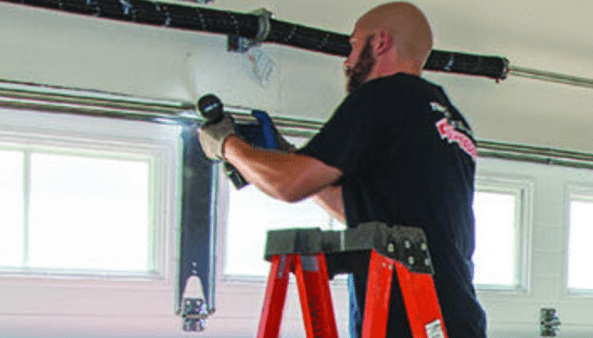
A garage door that won’t open or close properly can be frustrating, inconvenient, and even dangerous. Whether you’re running late for work or trying to secure your home at night, a malfunctioning garage door disrupts your routine and compromises safety. Because garage doors are used multiple times a day and rely on both mechanical and electrical components, even a small issue can cause the entire system to fail.
In this in-depth guide, we’ll explain the most common reasons why your garage door is not opening or closing properly, how to identify the warning signs, what you can safely troubleshoot on your own, and when it’s time to call a professional garage door service.
How a Garage Door System Works (Quick Overview)
Before diving into the problems, it helps to understand how a garage door works. A typical garage door system includes:
- Garage door opener (motor and control unit)
- Springs (torsion or extension)
- Cables and pulleys
- Tracks and rollers
- Safety sensors (photo eyes)
- Remote control and wall switch
If any one of these components fails or goes out of alignment, your garage door may stop functioning correctly.
Common Reasons Your Garage Door Won’t Open or Close Properly
1. Garage Door Opener Problems
One of the most common causes is a malfunctioning garage door opener.
Symptoms include:
- The motor runs, but the door doesn’t move
- The remote or wall switch doesn’t respond
- The door stops midway and reverses
Possible causes:
- Dead remote batteries
- Disconnected or tripped power supply
- Faulty circuit board or worn-out motor
Sometimes the issue is as simple as replacing batteries, but internal opener problems usually require professional repair.
2. Broken or Worn-Out Garage Door Springs
Garage door springs carry most of the door’s weight. When they break or wear out, the door becomes extremely heavy and difficult—or impossible—to lift.
Signs of spring failure:
- The door only opens a few inches
- The door slams shut suddenly
- A loud “bang” sound from the garage
⚠️ Important: Garage door spring repair is dangerous and should never be attempted without proper tools and training.
3. Misaligned or Blocked Safety Sensors
Modern garage doors are equipped with safety sensors near the bottom of the tracks. These sensors prevent the door from closing if an object is detected.
Common symptoms:
- The door starts closing, then reverses
- Blinking sensor lights
- Door won’t close unless you hold the wall button
Dust, debris, sunlight interference, or misalignment can all trigger sensor issues.
4. Track Misalignment or Obstructions
Garage door tracks guide the door as it opens and closes. If the tracks are bent, loose, or blocked, the door won’t move smoothly.
Warning signs:
- Door looks uneven or crooked
- Grinding or scraping noises
- Door gets stuck at certain points
Ignoring track problems can lead to serious damage to rollers, cables, or panels.
5. Worn or Broken Rollers
Rollers allow the garage door to glide smoothly along the tracks. Over time, they can crack, flatten, or seize up.
Symptoms of bad rollers:
- Loud squeaking or rattling noises
- Jerky or uneven movement
- Slow opening or closing
Replacing worn rollers can dramatically improve door performance and reduce noise.
6. Damaged or Loose Garage Door Cables
Cables work together with springs to lift and lower the door safely. If a cable frays, loosens, or snaps, the door may become unbalanced.
Signs of cable issues:
- Door lifts unevenly
- One side of the door hangs lower
- Door suddenly jams
Cable problems are a serious safety risk and require immediate professional attention.
7. Weather-Related Issues
Weather can have a surprising impact on garage door performance.
- Cold temperatures can cause metal parts to contract
- Extreme heat may affect opener electronics
- Moisture can lead to rust or corrosion
Seasonal changes often reveal weaknesses in older garage door systems.
8. Lack of Regular Maintenance
Many garage door problems develop slowly due to neglect. Without routine maintenance:
- Small issues turn into expensive repairs
- Door lifespan is reduced
- Sudden breakdowns become more likely
Regular garage door service helps catch problems early and keeps everything running smoothly.
What You Can Safely Check Yourself
Before calling a professional, you can try a few basic troubleshooting steps:
✔ Check remote control batteries
✔ Make sure the opener is plugged in and powered
✔ Inspect safety sensors for dirt or misalignment
✔ Clear debris from tracks
✔ Try the wall switch instead of the remote
❌ Do not attempt to adjust springs, cables, or opener internals yourself.
When Should You Call a Professional Garage Door Service?
You should contact a trained technician if:
- A spring is broken or stretched
- The door suddenly falls or slams shut
- The door is visibly crooked or unbalanced
- You hear grinding, popping, or burning smells
- The same issue keeps coming back
Delaying repairs can lead to property damage, higher costs, or personal injury.
Benefits of Regular Garage Door Maintenance
Scheduling routine garage door service offers several advantages:
- Smooth and quiet operation
- Reduced risk of sudden breakdowns
- Longer lifespan of door and opener
- Improved home safety and security
- Lower long-term repair costs
Most professionals recommend servicing your garage door once or twice a year.
Frequently Asked Questions (FAQ)
1. Why does my garage door open halfway and then stop?
This is often caused by broken springs, track obstructions, or incorrect opener limit settings.
2. Why does my garage door close and then reopen?
Usually due to safety sensor misalignment, dirt on the sensors, or an object in the door’s path.
3. Can I manually open my garage door if it’s not working?
Yes, you can use the emergency release cord, but only if the door is fully closed and stable.
4. Is it dangerous to keep using a faulty garage door?
Yes. A malfunctioning garage door can suddenly fall and cause serious injury or damage.
5. How much does garage door repair cost?
Costs vary depending on the problem. Minor repairs are affordable, while spring or opener replacements cost more.
6. How long does a typical garage door service take?
Most standard inspections and repairs take about 1–2 hours.
7. How often should I service my garage door?
At least once a year, or more often if the door is used frequently.
Final Thoughts
If you’re asking, “Why is my garage door not opening or closing properly?”, the answer can range from simple sensor issues to serious mechanical failures. Addressing problems early and scheduling regular garage door service is the best way to protect your home, ensure safety, and avoid costly repairs.
Recent Post : Mobile App Development: How Custom Apps Are Transformin