
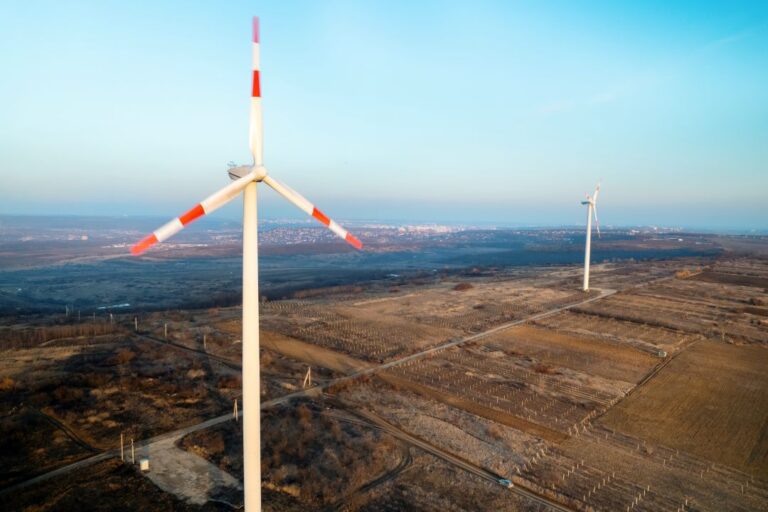
Choosing the right wind turbine in Ireland starts with one clear fact: performance depends more on planning than on turbine size. A Wind Turbine Ireland project works best when wind speed, land layout, grid access, and planning rules align from the start. Ireland has strong wind resources, confirmed by SEAI and Met Éireann data, but not every site delivers the same results
For farms, industrial landowners, and energy investors, the real challenge is matching the right system to the right site. Turbine type, capacity, and location all affect output and long-term value. A well-matched system can supply stable power for decades. A poor match can underperform and create delays.
This guide explains how to choose the right wind turbine system in Ireland, using clear steps, real examples, and proven industry practice.
Understand Your Site and Wind Conditions
Every wind project begins with the site. Wind turbines only perform well where wind is strong and steady.
Ireland has excellent wind overall, but local conditions vary. Hills, trees, and buildings can reduce output. Open land and higher ground usually perform better. SEAI studies show that average wind speeds above 5.5 m/s are key for viable projects.
Professional wind assessments measure real wind data over time. This avoids relying on estimates. These studies also help with planning approval and turbine choice.
Land size matters too. Larger turbines need clear space for safety and performance. Access for cranes and transport must also be planned early. A strong site assessment protects your investment before any equipment is chosen.
Define Your Energy Goals and Usage
The right turbine depends on what you want it to achieve. Energy goals guide system size and layout.
Some farms aim to offset on-site electricity use. Others want to export power to the grid. Industrial sites often need steady output to support daily operations.
Start by reviewing annual electricity use. This shows how much power the turbine should produce. Oversizing increases cost without clear benefit. Undersizing limits savings.
Grid connection is also important. Export capacity and connection distance affect project design. ESB Networks requirements must be considered early. Clear energy goals help engineers match turbine output to real demand, not assumptions.
Wind Turbine Ireland: Choosing the Right Turbine Size
Selecting the correct capacity is a core decision in any Wind Turbine Ireland project. Size affects cost, output, and planning rules.
Small commercial turbines often range from 100 kW to 500 kW. These suit farms and mixed-use sites. Larger industrial systems reach 2 MW and beyond, ideal for energy investors and large landholdings.
Larger turbines capture more wind and deliver better efficiency per unit. However, they require stronger planning cases and grid access. Smaller turbines offer flexibility but lower total output.
New and refurbished turbines are both options. Refurbished systems reduce upfront cost when sourced from trusted European suppliers. The right choice balances budget, site limits, and long-term performance.
Planning Permission and Regulatory Factors
Planning rules shape every wind project in Ireland. Understanding them early saves time and cost.
Most commercial wind turbines require planning permission. Councils assess visual impact, noise levels, shadow flicker, and distance from homes. Environmental factors may also apply.
Clear documentation improves approval chances. This includes site maps, noise studies, and wind data. Projects aligned with national renewable targets often receive stronger consideration.
Professional planning support helps navigate local rules. According to planning case reviews, well-prepared applications move faster and face fewer objections. Compliance protects both the project and long-term operation.
Installation, Logistics, and Grid Connection
Even the best turbine fails without proper installation. Logistics planning is critical for success.
Turbine delivery involves heavy transport and cranes. Road access and ground strength must support this. Foundations must match soil conditions and turbine load.
Grid connection can be complex. Distance to connection points affects cost. Timelines vary depending on network upgrades. Early coordination with ESB Networks avoids delays.
Experienced installation teams reduce risk. They manage safety, scheduling, and testing. Proper installation ensures the turbine reaches expected output and lifespan, often 20–25 years with maintenance.
Long-Term Costs, Maintenance, and Performance
Wind energy is a long-term investment. Ongoing costs must be understood.
Maintenance typically costs 1–3% of turbine value per year, based on European wind industry data. This covers inspections, servicing, and minor repairs.
Quality turbines offer strong reliability. Performance monitoring helps detect issues early. This protects output and revenue.
Over time, wind turbines can deliver stable returns, especially where electricity prices rise. When planned correctly, lifetime savings often exceed initial costs. Long-term thinking separates successful projects from short-term decisions.
Frequently Asked Questions
Q1:How much wind is needed for a viable turbine in Ireland?
Most projects need average wind speeds above 5.5 m/s. Coastal and elevated rural sites often meet this level. Professional wind studies provide accurate data and reduce risk.
Q2: Are refurbished wind turbines reliable?
Yes, when sourced from trusted suppliers. Many refurbished turbines come from European wind farms and are fully tested. They offer lower upfront cost with proven performance.
Q3: How long does a wind turbine last?
Well-maintained turbines typically last 20–25 years. Regular servicing and monitoring help extend lifespan and maintain output.
Q4: Can farms benefit more than homes from wind turbines?
Yes. Farms usually have more space, better wind exposure, and steady energy use. This makes wind more effective than in urban settings.
Q5: Is wind better than solar in Ireland?
Wind and solar serve different needs. Wind works day and night and suits winter demand. Many projects combine both for balanced energy output.
Conclusion
Choosing the right wind turbine system requires clear goals, strong site data, and professional support. A Wind Turbine Ireland project delivers the best results when turbine size, planning, and installation are aligned from the start. Ireland’s wind resource is strong, but success depends on informed decisions, not assumptions.
To conclude, investing in wind energy is a long-term decision that depends on accurate planning, reliable installation, and consistent performance over time. In Ireland’s renewable energy landscape, projects deliver stronger results when supported by experienced providers who understand site conditions, compliance requirements, and scalable turbine deployment.
Turbines Ireland reflects this approach by focusing on practical assessments and professionally managed wind solutions that align with national sustainability goals. This experience-led model often helps projects achieve better efficiency, long-term value, and dependable clean energy output.