
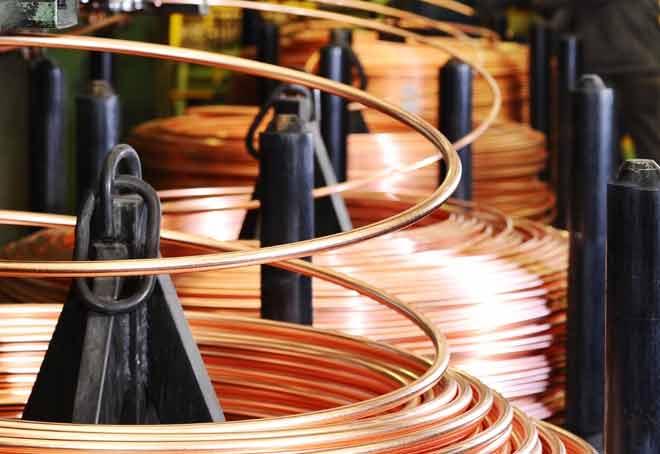
Copper is often called the “metal of the future” — and for good reason. As industries around the world accelerate toward electrification, renewable energy, and infrastructure expansion, copper has become an indispensable resource. Its exceptional conductivity, versatility, and recyclability make it a core component of modern economies.
In India, the story of copper is especially compelling. With rapid industrial growth, ambitious infrastructure projects, and a push toward green energy, the demand for copper is poised to rise significantly in the coming decade. This growing appetite has opened new opportunities for investors, policymakers, and copper producers alike.
In this article, we’ll explore India’s copper production landscape, the key drivers behind its rising demand, major market players, and the long-term potential of this dynamic sector.
The Global Copper Landscape: A Quick Overview
Before diving into India’s copper market, it’s essential to understand the global context. Copper is a foundational industrial metal, widely used in power generation, construction, electronics, and transportation. According to the International Copper Study Group (ICSG), global refined copper demand is projected to grow steadily at around 3% annually over the next decade, fueled by the clean energy transition.
Electric vehicles (EVs), solar panels, and wind turbines — all crucial to achieving global net-zero goals — are copper-intensive technologies. For instance, an EV can require up to four times more copper than a conventional vehicle. Similarly, renewable energy infrastructure demands large quantities of copper wiring and cabling.
This growing demand has driven prices upward and encouraged nations, including India, to strengthen domestic production and supply chains.
India’s Copper Industry: An Overview
India ranks among the top 10 consumers of copper globally, but its domestic production has faced challenges in recent years. Historically, India was self-sufficient in copper production, with companies like Hindustan Copper Ltd, Hindalco Industries, and Vedanta Ltd leading the charge. However, the closure of Vedanta’s Tuticorin smelter in 2018 significantly reduced local refining capacity, making India a net importer of copper.
Despite these challenges, the long-term outlook for India’s copper industry remains positive. The government’s infrastructure push, the “Make in India” initiative, and the transition toward electric mobility are set to fuel strong demand growth.
According to CRISIL, India’s copper demand could grow at a compound annual rate of over 7% through 2030, outpacing global averages. This growth trajectory creates a compelling case for renewed investment in copper production, refining, and exploration.
Why Copper Is Crucial for India’s Growth Story
1. Infrastructure Development
Copper is a cornerstone of modern infrastructure. From power grids to railways and smart cities, the metal is used extensively in electrical wiring, transformers, and telecommunications. India’s National Infrastructure Pipeline (NIP), which envisions an investment of over USD 1.4 trillion through 2025, is a key driver of copper consumption.
As the country continues to urbanize and modernize, the requirement for copper in construction, real estate, and public utilities will continue to surge.
2. Electrification and Renewable Energy
India has set an ambitious target to achieve 500 GW of renewable energy capacity by 2030. Solar and wind power projects are highly copper-intensive, requiring extensive cabling and components for transmission and storage systems.
Furthermore, the government’s focus on expanding rural electrification and smart grid networks directly benefits copper producers. These developments not only increase demand for copper but also incentivize domestic manufacturing of conductors, cables, and transformers.
3. Electric Vehicles (EVs) and Green Mobility
The rise of electric mobility presents one of the biggest structural demand shifts for copper. Every EV uses substantial copper in its batteries, motors, inverters, and charging infrastructure. The government’s Faster Adoption and Manufacturing of Electric Vehicles (FAME) scheme, coupled with private investments in EV startups and charging networks, is rapidly accelerating this trend.
As EV penetration deepens, India’s copper producers are expected to play a crucial role in supporting the ecosystem’s growth.
4. Manufacturing and Industrial Growth
With the “Make in India” campaign driving domestic manufacturing and exports, copper demand across industries — from consumer electronics to heavy machinery — is set to expand. The metal’s essential role in manufacturing electric motors, industrial equipment, and automation systems ensures steady long-term consumption.
Key Players in India’s Copper Production Landscape
Hindustan Copper Ltd (HCL)
As India’s only integrated copper producer, HCL handles mining, beneficiation, smelting, and refining operations. It plays a vital strategic role in securing domestic copper resources. HCL has been investing in capacity expansion and modernization projects to increase output and reduce import dependence.
Hindalco Industries Ltd
A subsidiary of the Aditya Birla Group, Hindalco is a major player in the Indian copper refining sector. Its Dahej smelter in Gujarat is among the largest single-location custom smelters globally. Hindalco’s strong presence in both copper and aluminum markets positions it well to benefit from India’s infrastructure and green energy expansion.
Vedanta Ltd
Vedanta’s Tuticorin smelter was once India’s largest copper producer before it was shut down in 2018. The company continues to advocate for reopening the plant and exploring alternative ways to contribute to India’s copper production ecosystem. Vedanta’s global experience in mining and refining keeps it a key name in discussions about the future of Indian copper.
These industry leaders, along with smaller private and public sector entities, form the backbone of India’s copper supply chain. As the demand landscape evolves, strategic investments in technology, exploration, and sustainability will be essential to unlocking their full potential.
Investment Perspective: Copper as an Emerging Theme
For investors, the copper sector offers a blend of cyclical opportunity and long-term stability. As India’s economy continues to industrialize, copper-related industries are positioned for steady growth.
Investors looking to explore opportunities in copper related stocks can benefit from this megatrend, especially as companies diversify into renewable energy supply chains and electric mobility components. While short-term price fluctuations in global copper markets are inevitable, the structural demand for copper remains robust.
Additionally, investors should consider factors such as production efficiency, raw material sourcing, and government policy support when evaluating copper producers. Companies investing in sustainability, waste recycling, and technology adoption may enjoy a long-term competitive advantage.
Challenges Facing the Indian Copper Industry
While the growth potential is substantial, India’s copper industry faces several headwinds:
- Import Dependence: Post-2018, India became a net importer of copper, making it vulnerable to global price fluctuations and supply disruptions.
- Environmental Concerns: Smelting operations are often scrutinized for pollution and waste management. Balancing production growth with environmental sustainability remains a key challenge.
- Regulatory Hurdles: Complex land acquisition laws, delayed project clearances, and inconsistent mining policies can hinder new investments.
- Technological Gaps: Compared to global peers, Indian producers may need to invest more in advanced refining technologies and digitization to improve efficiency.
Overcoming these challenges will be vital for India to achieve self-reliance in copper production and fully capitalize on its growth potential.
The Road Ahead: Future Outlook
India’s copper demand is expected to soar in the coming years, driven by infrastructure, electrification, and manufacturing growth. The government’s policies around mineral exploration, domestic value addition, and renewable energy adoption are likely to strengthen the sector further.
With strategic planning, technology adoption, and sustainable practices, India has the potential to reclaim its position as a leading copper producer in Asia. For investors, the evolving copper ecosystem offers a promising opportunity to align portfolios with long-term growth trends in energy transition and industrial expansion.
For those tracking the share market, copper and other base metal stocks could emerge as strategic assets in an economy increasingly driven by industrial innovation and green technologies.
Conclusion
Copper lies at the heart of India’s growth story — powering cities, connecting industries, and enabling the shift toward a sustainable future. Despite current supply constraints, the market potential for India’s copper producers remains immense.
As the nation builds its infrastructure, electrifies its transport, and embraces clean energy, the demand for copper will only intensify. For investors, policymakers, and industry leaders, this is the moment to recognize copper not just as a commodity, but as a catalyst shaping the next chapter of India’s economic transformation.
Read Also this Blog: Chief Keef Merch: The Ultimate Streetwear Statement