
Modern cities depend on power, internet, and communication systems every day. Homes, offices, schools, hospitals, and factories all need safe and steady electricity. They also need strong data networks. To protect these important systems, engineers use underground utility structures. One of the best solutions is a precast duct bank.
A precast duct bank protects electrical and communication cables under the ground. It keeps cables safe from damage, water, soil pressure, and heavy traffic loads. Builders use it in highways, airports, commercial areas, and industrial projects. It offers strength, speed, and long-term performance.
In this blog, we explain what a precast duct bank is, how it works, its benefits, where builders use it, and why many contractors choose it over traditional construction methods.
What Is a Precast Duct Bank?
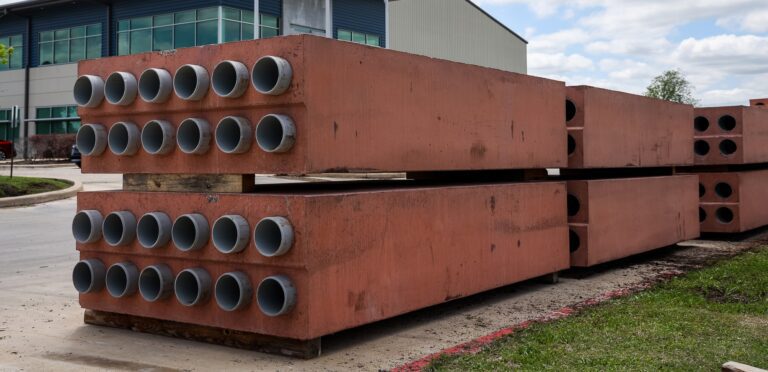
A precast duct bank is a group of conduits that workers place inside a strong concrete structure. These conduits carry electrical wires, fiber optic cables, and communication lines. The concrete protects the conduits and cables from outside damage.
The word “precast” means workers make the concrete structure in a factory before they bring it to the job site. The factory environment allows better quality control. Workers pour concrete into molds, place steel reinforcement inside, and cure the concrete under controlled conditions. After the concrete becomes strong, they transport it to the construction site for installation.
This process saves time and improves quality compared to pouring concrete on-site.
How a Precast Duct Bank Works
A precast duct bank works like a protective tunnel system for cables. Engineers design the system based on the project’s needs. They decide how many conduits the duct bank must hold and what size they should be.
The manufacturer builds the concrete structure with space for multiple conduits. Sometimes they install the conduits inside the mold before pouring the concrete. Steel bars reinforce the structure and increase strength.
Once the unit cures and passes inspection, workers deliver it to the site. Contractors dig a trench, prepare a stable base, and place the precast duct bank inside the trench. They connect each section carefully to create a continuous system. After alignment, they backfill the soil around the structure.
The finished duct bank protects cables from:
- Soil pressure
- Ground movement
- Heavy vehicle loads
- Water infiltration
- Physical damage
This protection increases the life of underground utility systems.
Why Builders Choose Precast Duct Banks
Many contractors prefer precast duct banks because they provide clear advantages.
Faster Construction
Precast duct banks arrive ready to install. Workers do not need to build formwork or wait for concrete to cure on-site. This process saves many days or even weeks on large projects.
Faster installation reduces labor costs and keeps projects on schedule. In busy areas, quick work also reduces traffic delays and public disruption.
Better Quality Control
Factories control the entire production process. Workers monitor material quality, temperature, curing time, and reinforcement placement. This control creates consistent and high-strength products.
On-site poured concrete depends on weather. Rain, heat, or freezing temperatures can affect curing and strength. Precast manufacturing avoids these problems.
Strong and Durable Structure
Precast duct banks use reinforced concrete. This material handles heavy loads from vehicles, equipment, and soil. It resists cracking and shifting.
When builders install duct banks under highways or industrial yards, they need strong protection. Many projects follow guidelines from organizations like the Federal Highway Administration to ensure safety and durability. Precast systems meet these strict standards.
Improved Safety
Precast construction reduces on-site concrete work. Workers handle fewer materials and spend less time building forms or mixing concrete. This approach lowers the risk of job site accidents.
Long Service Life
A properly installed precast duct bank can last for decades. The strong concrete protects cables from moisture and mechanical damage. This durability reduces maintenance costs and prevents frequent repairs.
Common Applications of Precast Duct Banks
Precast duct banks support many types of construction projects.
Highways and Road Projects
Roadways require underground systems for lighting, signals, and communication cables. Heavy trucks and cars travel over these systems every day. Precast duct banks handle these loads and keep cables protected.
Airports
Airports need reliable power for lighting systems, runways, and communication networks. Precast duct banks protect these systems from heavy aircraft loads and ground equipment.
Commercial Developments
Office buildings, shopping centers, and mixed-use developments depend on strong electrical and data systems. Precast duct banks organize and protect these lines underground.
Industrial Facilities
Factories and plants require high-voltage power cables. Precast duct banks protect these cables from heavy machinery, vibration, and harsh conditions.
Utility Substations
Power companies use duct banks near substations to manage and route large groups of cables safely and efficiently.
Precast Duct Bank vs. Cast-in-Place Construction
Builders often compare precast duct banks with traditional cast-in-place systems.
In cast-in-place construction, workers dig a trench, install conduits, build wooden forms, pour concrete, and wait for it to cure. This process takes time and depends on good weather conditions.
Precast duct banks simplify this process. Workers place ready-made units directly into the trench. They connect sections and backfill quickly. The concrete already cured in the factory, so there is no waiting time.
This method saves time, reduces labor, and improves consistency.
Design Considerations
Engineers consider several important factors when designing a precast duct bank.
Load Capacity
The duct bank must support soil weight and traffic loads. Engineers calculate these loads carefully to prevent cracking or structural failure.
Conduit Layout
The number and size of conduits depend on the project’s power and communication needs. Engineers often plan extra space for future expansion.
Drainage and Water Protection
Water can damage cables and reduce system life. Designers include proper drainage systems and sealing methods to prevent water buildup.
Heat Control
Electrical cables produce heat during operation. Engineers provide enough spacing between conduits to allow heat to escape. Proper design prevents overheating and improves safety.
Installation Steps
The installation process is simple and efficient.
First, workers excavate the trench according to design depth and width. Next, they prepare a stable base using compacted soil or gravel. This base supports the duct bank evenly.
Then, workers lift the precast unit using cranes or lifting equipment. They place it carefully in the trench and align it with the next section. Workers connect each section securely.
Finally, they backfill soil around the structure and compact it properly. The duct bank becomes ready for cable installation.
Because the system comes prebuilt, the installation process moves quickly and smoothly.
Maintenance and Inspection
Precast duct banks require very little maintenance. However, utility companies perform regular inspections to ensure long-term performance.
They check for:
- Ground settlement
- Water intrusion
- Cable condition
The strong concrete structure protects the conduits and cables from outside damage. This durability reduces repair costs and service interruptions.
Environmental Benefits
Precast duct banks also support environmentally friendly construction.
Factories reduce material waste by controlling production carefully. Workers recycle extra concrete and steel whenever possible. Controlled production also reduces errors and rework.
Faster installation lowers fuel use from construction equipment and reduces traffic congestion. This efficiency decreases overall environmental impact.
Long service life also means fewer replacements over time, which reduces resource use.
The Future of Precast Duct Banks
Cities continue to grow. Renewable energy systems, electric vehicles, and smart city technology increase demand for reliable underground power networks. Fiber optic communication systems expand every year.
Precast duct banks support this growth. Engineers improve designs with stronger materials, better reinforcement, and improved thermal performance. Modern precast solutions provide safer and more efficient infrastructure.
As infrastructure projects become larger and more complex, contractors will continue to choose precast duct banks for their strength and reliability.
Conclusion
A precast duct bank provides strong protection for underground electrical and communication systems. It saves time during construction and improves overall quality. It handles heavy loads, resists damage, and lasts for many years.
Builders use precast duct banks in highways, airports, commercial developments, and industrial facilities. They choose this system because it reduces labor, increases safety, and delivers consistent performance.