
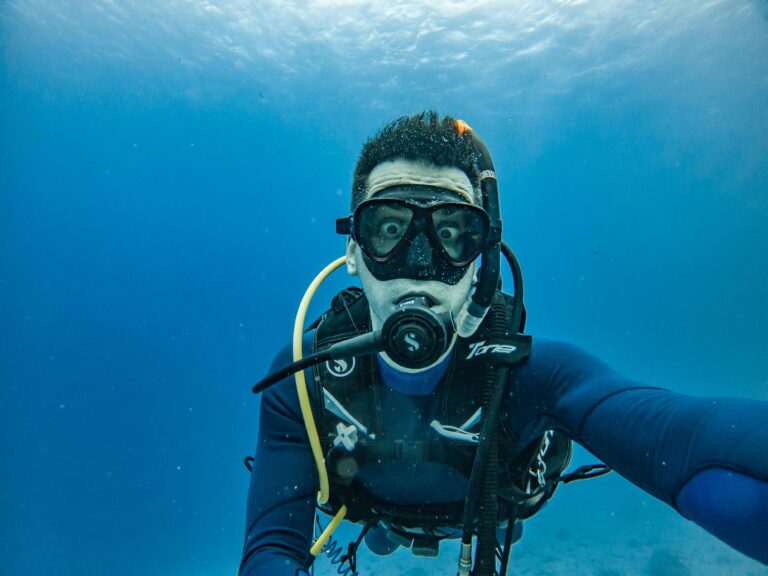
Imagine waking up to sunrise over crystal-clear waters, gearing up for your first dive at a remote reef only accessible by boat, and completing four world-class dives before sunset—all without leaving your floating hotel. This is the reality of liveaboard dive trips, transforming how passionate divers experience the underwater world.
While resort-based diving offers convenience, you’re limited to nearby sites that see dozens of divers daily. Liveaboard dive trips solve this by taking you to remote, pristine locations while maximizing your bottom time with 3-5 dives per day. Whether you need prescription lenses in scuba mask or you’re a seasoned diver, choosing the right liveaboard requires understanding costs, destinations, and what to realistically expect onboard.
This guide cuts through the marketing hype to give you honest, practical information about liveaboard dive trips—from true costs to choosing the right destination for your experience level.
What Are Liveaboard Dive Trips?
A liveaboard dive trip is a multi-day diving expedition aboard a vessel that serves as both accommodation and a dive platform. Unlike day boats that return to shore each evening, you sleep directly above dive sites, enabling access to remote locations impossible to reach from land-based resorts.
The key differentiator: while resort divers spend hours traveling to dive sites, you wake up already there. Most liveaboard experiences range from 3-14 days, though 7-day trips represent the sweet spot—long enough to thoroughly explore a region without requiring excessive vacation time.
A typical day boat offers 2-3 dives with 2-hour boat rides each way. A liveaboard delivers 4-5 dives daily at remote locations, moving overnight to new sites while you sleep. You maximize vacation time for actual diving rather than transit.
How Liveaboards Differ from Resort-Based Diving
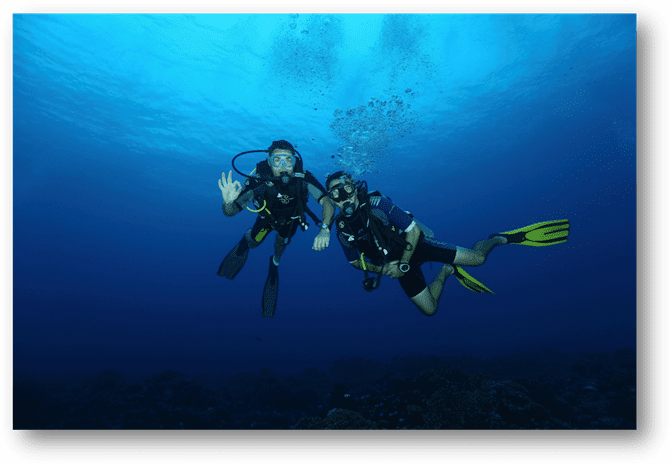
Liveaboards grant access to dive sites that day boats physically cannot reach—places like Tubbataha Reef in the Philippines, the Brothers Islands in Egypt’s Red Sea, or Far North sections of the Great Barrier Reef. These sites remain pristine precisely because they’re too remote for daily dive boat traffic.
On a typical 7-day liveaboard, you’ll complete 15-25 dives compared to 10-12 from a resort. That’s more variety, more marine life encounters, and more opportunities for skill refinement. Night dives become convenient, and you can enjoy that fourth dive without worrying about rough-sea boat rides home.
The experience itself differs fundamentally. Liveaboards are diving-focused and immersive—you’re surrounded by fellow diving enthusiasts rather than mixed resort guests. Intimate group sizes of 12-24 divers create shared adventure atmospheres where you’ll form lasting friendships with like-minded people.
Choosing Your Perfect Liveaboard Dive Trip
Top Destinations by Experience Level
Beginner-friendly destinations include the Maldives, Egypt’s Red Sea, and Australia’s Great Barrier Reef. These offer calm conditions, manageable currents, excellent visibility, and relatively shallow profiles. The Maldives delivers consistent year-round conditions with manta ray and whale shark encounters, while the Red Sea combines easy diving with spectacular coral reefs and historic wrecks.
Intermediate destinations like Indonesia (Raja Ampat and Komodo), Thailand’s Similan Islands, and Caribbean liveaboards require more experience and comfort with occasional currents and deeper profiles. Raja Ampat offers the world’s highest marine biodiversity but demands better buoyancy control. Komodo’s drift diving requires current-handling skills typically developed over 30-50 logged dives.
Advanced destinations—the Galapagos Islands, Cocos Island, Socorro, and Palau—demand strong current experience, deep diving comfort, and advanced certification. These involve challenging conditions: strong currents, surge, thermoclines, and deep profiles. They reward experienced divers with bucket-list encounters: hammerhead schools, oceanic mantas, whale sharks, and dolphins.
Seasonal timing dramatically affects your experience. The Maldives works year-round, but manta aggregations peak during specific months. Indonesia’s Raja Ampat is best from October to April, while Komodo shines from April to November. Research marine life calendars for your target destination to maximize wildlife encounters.
Understanding Boat Categories
Budget liveaboards ($100-150 per night) feature shared cabins with bunks, communal bathrooms, and basic amenities. These work brilliantly for younger divers, tight budgets, or anyone prioritizing diving over accommodation comfort. The diving itself is identical regardless of cabin quality.
Mid-range boats ($150-300 per night) offer the sweet spot: private ensuite cabins, air conditioning, comfortable social areas, and well-organized dive decks. Food quality jumps significantly at this tier. These vessels typically carry 16-20 guests with professional crews, camera stations, and nitrox availability.
Luxury liveaboards ($300-600+ per night) provide spacious suites, gourmet dining, premium equipment, smaller guest counts of 12-14 divers, and service-oriented crews. Amenities include hot tubs, sun decks, premium beverages, and sometimes massage services.
Boat size matters beyond comfort. Larger vessels over 100 feet provide better stability in rough seas, reducing seasickness risk. Smaller boats access shallower sites and create more intimate experiences, but can be less stable in challenging conditions.
Trip Duration Considerations
3-4 day trips work well as liveaboard introductions or for limited vacation time. You’ll complete 9-12 dives while visiting a limited area. They’re perfect for testing the liveaboard lifestyle before committing to longer expeditions.
7-day trips represent the industry standard. This duration allows comprehensive destination coverage, typically delivering 17-21 dives across diverse sites. Most major destinations are designed around 7-day itineraries that showcase the region’s best diving.
10-14-day expeditions are reserved for the most remote destinations requiring multiple travel days—Tubbataha, Far North Great Barrier Reef crossings, or extended Galapagos itineraries. These demand serious time and budget commitment but reward you with locations that few divers ever experience.
The True Cost of Liveaboard Dive Trips
What’s Included vs. What Costs Extra
The advertised price rarely represents your total cost.
Typically included: accommodation, meals and snacks, guided dives, tanks and weights, airport transfers, and sometimes soft drinks. Most boats include 3-4 dives daily in the base price.
Usually costs extra (adding $500-800 to your trip): equipment rental if you don’t bring gear ($150-300 per week), nitrox fills ($100-200 per week), alcoholic beverages ($30-100), and specialty courses.
Mandatory extras often buried in fine print: Marine park fees ($50-300 depending on destination), port and fuel surcharges ($50-150), and crew tips (10-15% of trip cost, typically $200-450 on a $3,000 trip). These aren’t negotiable and must be paid in cash on many boats.
Hidden costs: Travel insurance with dive accident coverage ($80-150), visa fees ($35-50 for certain destinations), flights to remote departure points, and potential equipment shipping costs if you’re bringing your full setup.
Real example: A Red Sea liveaboard advertised at $1,995 becomes $2,825 after nitrox ($150), marine park fees ($120), crew tips ($300), equipment rental ($200), and beverages ($60)—and that’s before flights or insurance.
Budget Planning Across Price Tiers
Budget liveaboard total cost for 7 days: $1,500-2,500 all-in (boat $900-1,200, fees and tips $200-300, equipment and nitrox $150-250, insurance $100-150, flights $400-600).
Mid-range total cost: $3,000-4,500 (boat $1,800-2,500, fees and tips $300-400, insurance $100-150, flights $500-800). This tier delivers significantly better comfort and service while accessing identical dive sites.
Luxury total cost: $5,000-8,000+ (boat $3,000-5,000, fees and tips $400-750, flights $800-1,200). You’re paying for exceptional service, spacious accommodations, gourmet dining, and personalized attention rather than better diving.
What to Expect: Daily Life on a Liveaboard
Typical Daily Schedule
6:30 AM: Wake-up call, coffee available. First dive briefing at 7:00 AM.
7:30 AM: First dive (best visibility and marine life activity).
9:00 AM: Breakfast after surfacing.
10:30 AM: Second dive briefing and dive.
12:30 PM: Lunch and rest period.
2:00 PM: Third dive (optional if you need rest).
6:00 PM: Night dive (optional but highly recommended).
7:30 PM: Dinner—the main social event of the day.
8:30 PM: Next day’s briefing, then free time.
Overnight: Boat transits to the next dive site while you sleep.
You control your participation level. Feel tired? Skip the afternoon dive. The flexibility exists within the structure, and good operations respect that divers have different stamina levels.
Living Quarters and Amenities
Cabin space is compact—even on luxury boats. Budget and mid-range cabins range from 60-100 square feet with a bed, small storage, and a bathroom. You’ll live out of your dive bag rather than unpacking completely.
Common areas matter more than cabins. The dive deck is your workspace—organized with individual gear storage, rinse tanks, camera stations, and charging stations. Social areas vary: budget boats offer basic seating; mid-range provide comfortable lounges and sun decks; luxury boats feature multiple decks with loungers and hot tubs.
Food quality spans from acceptable to exceptional. Budget boats serve simple but adequate meals; mid-range boats employ skilled chefs producing diverse international cuisine; luxury boats serve gourmet multi-course meals with wine pairings.
Connectivity reality: Most liveaboards offer limited or zero internet. Some luxury boats provide satellite internet, but it’s slow and expensive. Embrace the digital detox—focus on diving and real-world interactions with your fellow divers.
Managing Seasickness
Seasickness typically hits during overnight transits when you’re not diving and therefore more aware of motion. During the day, you’re underwater (no motion sensation) or engaged during surface intervals.
Prevention strategies: Start medication 24 hours before boarding. Bonine, Dramamine, or scopolamine patches (prescription) work well for most people. Stay hydrated, avoid alcohol the first night, choose cabins mid-boat where there’s less motion, and get in the water—many feel better when submerged.
Boat selection for seasickness-prone divers: Choose larger vessels over 100 feet, consider catamaran liveaboards, which are inherently more stable, select itineraries with shorter overnight transits, and pick naturally calmer destinations like the Maldives or Red Sea.
Preparing for Your Liveaboard
Skills and Certification Requirements
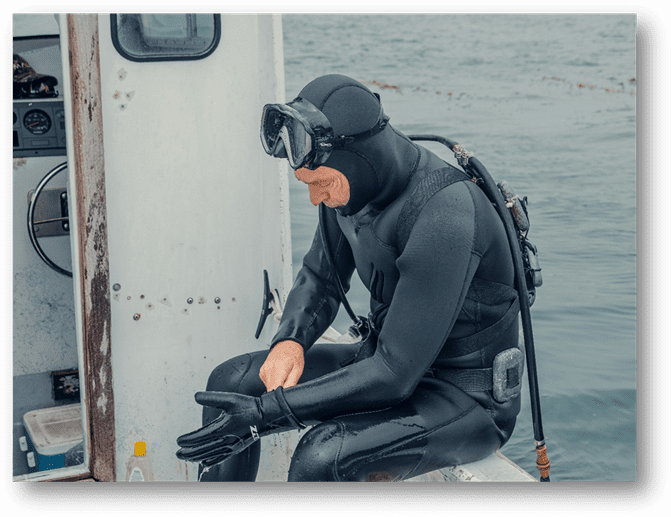
Most liveaboards require minimum certification levels. Open Water is technically sufficient for beginner-friendly destinations, but Advanced Open Water is strongly recommended. Premium destinations require Advanced certification and 50-100 logged dives.
Real experience that matters: Can you handle moderate currents? Are you comfortable at 80-100 feet? How’s your buoyancy control in challenging conditions? Can you deploy a safety sausage and perform controlled ascents? These practical skills matter more than the number on your certification card.
Recent diving importance: If you haven’t dived in 12+ months, consider a refresher course. Most operators recommend diving within 6 months before your liveaboard, with a minimum of within the past year. Being rusty underwater wastes valuable dive time and poses safety risks.
Nitrox certification is essentially mandatory for liveaboards. You’ll be doing 3-4 dives daily, and nitrox extends bottom time while reducing nitrogen loading and fatigue.
Smart Packing for Limited Space
The golden rule: Soft-sided duffel bags only. Hard-shell luggage doesn’t fit in compact cabin storage. A 70-80L duffel handles everything you need for a week.
Dive gear to bring: Your mask is non-negotiable—fit is intensely personal and rental masks rarely seal properly. Prescription dive masks ensure you don’t miss spotting marine life or misreading your gauges underwater. Dive computers are recommended, as are regulators if you have specific preferences.
What to rent: BCDs are bulky, and airlines often charge oversized baggage fees. Rental costs of $150-300 per week versus baggage fees often balance out financially, while saving you the hassle of transporting bulky equipment.
Clothing reality: You need far less than you think. Pack 2-3 swimsuits, two rash guards, one casual outfit for evenings, underwear for the week, and one light jacket for air-conditioned spaces. Everything else is unnecessary weight.
Often-forgotten items: Reef-safe sunscreen, seasickness medication started before boarding, dive light for night dives, surface marker buoy, after-dive moisturizer for salt-exposed skin, universal plug adapters, and a power strip for charging multiple devices in limited outlets.
Booking Strategy
Booking timeline: Popular liveaboards during peak seasons fill 6-12 months in advance, especially for premium destinations like the Galapagos or Cocos Island. Last-minute deals exist 4-8 weeks before departure with 20-40% discounts if you’re flexible on dates and destinations.
Cancellation policies: Most require a 50% deposit at booking, with final payment due 60-90 days before departure. Cancellation penalties escalate as you get closer to the trip date. Comprehensive travel insurance with dive accident coverage is essential—purchase from providers like DAN (Divers Alert Network).
Questions to ask operators: What’s the diver-to-guide ratio? What’s genuinely included versus charged extra? What’s the refund policy for weather-related cancellations? What’s the recommended experience level, honestly? When was the last maintenance inspection? What safety equipment and emergency protocols are in place?
Conclusion: Your Liveaboard Adventure Awaits
Liveaboard dive trips offer unparalleled access to the world’s best diving, combining adventure, convenience, and immersive experiences that resort-based diving simply can’t match. While they require more planning and investment than a typical dive vacation, the return in dive quality, quantity, and unforgettable memories makes them true bucket-list experiences for any passionate diver.
By understanding true costs, including all the extras, choosing destinations and boats that match both your experience level and budget, and preparing properly with the right gear and skills, you’ll set yourself up for incredible underwater adventures. Whether you’re drawn to Maldives manta rays, Raja Ampat’s staggering biodiversity, Galapagos hammerhead schools, or Red Sea coral reefs, there’s a liveaboard experience perfectly suited to your diving dreams. If you’re considering combining your dive adventure with a luxury island escape, explore Maldives packages for resort, villa, and lagoon stay options.
Your next step is simple: Begin by identifying your top three destinations based on your experience level and marine life interests. Check seasonal timing to maximize wildlife encounters, set a realistic budget that includes all the extras we’ve discussed, and research specific boats through operator websites and diver reviews. Ensure your gear is ready, get that nitrox certification if you haven’t already, and your perfect liveaboard dive trip awaits—the only question is which incredible destination you’ll choose first.