
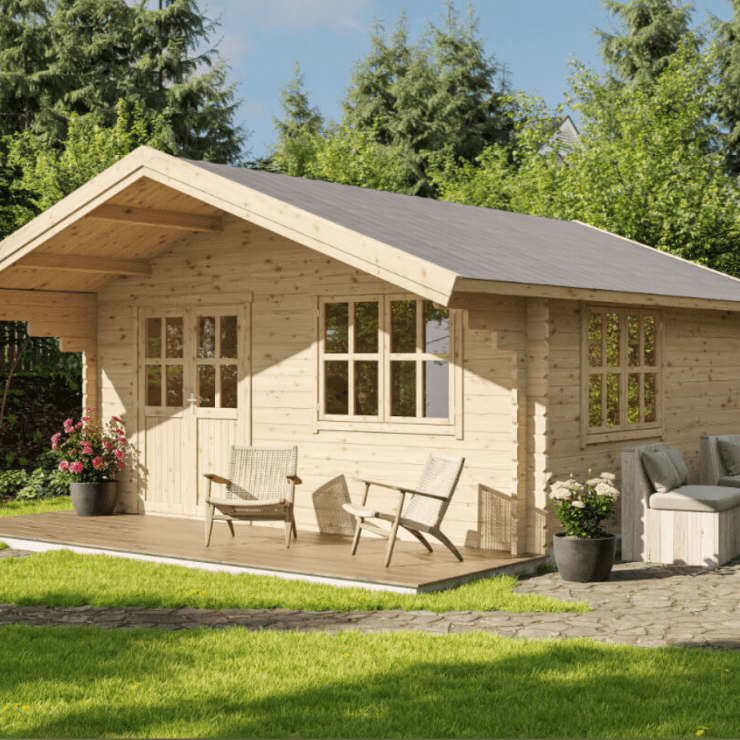
Irish log cabins are simple wooden buildings people use at home. Many families use them as a garden room, a quiet home office, or a small guest space.
These cabins are usually placed in the garden and made fully from natural wood. Because of that, they feel warm and calm when used daily.
Ireland has a particular type of weather. Rain comes often, wind changes quickly, and the air can feel damp most of the year. This weather affects wooden buildings more than brick ones. That is why log cabins need simple and regular care.
This guide explains how to look after log cabins in Irish weather. Everything here is easy to understand and easy to follow. No expert words. No selling talk. Just helpful advice for normal homeowners who want their cabin to stay comfortable all year.
How Irish Weather Affects a Log Cabin
Irish weather does not stay the same for long. A day can start dry and end with heavy rain. Wind can also rise suddenly, especially in open areas. These changes matter for wooden cabins.
Wood reacts to moisture in the air. When it rains often, wood can absorb water. When the air dries, the wood releases it. This natural movement is normal, but it needs attention over time. Without care, water can stay on surfaces longer than it should.
Imagine a garden room used for relaxing or reading. If rainwater stays on the walls, the inside can start to feel cold and damp. If the walls dry well, the space stays fresh and comfortable. Understanding how the weather affects wood helps you care for your cabin in a calm way.
Keeping Rain Away From the Cabin Structure
Rain is the most common challenge for cabins in Ireland. Water should never sit on the roof or walls for too long. The goal is always to help water move away quickly.
After heavy rain, take a short walk around your cabin. Look at the roof and check if water runs off easily. Gutters, if fitted, should be clear so water does not overflow onto the walls.
The ground around the cabin also plays a role. If the soil stays very close to the walls, rain can splash back onto the wood. A slight slope away from the cabin helps a lot. For a home office cabin, dry outer walls make the inside feel warmer and more pleasant. Simple rain checks can prevent many future problems.
Looking After the Wood Through the Year
Wood needs care in every season. Summer air can sometimes feel dry, while winter air often feels damp and cold. These changes affect how the wood looks and feels.
It is a good habit to check the wood surface once or twice a year. Look for rough patches or small surface cracks. These signs are common and easy to manage when noticed early.
Cleaning the cabin helps the wood stay healthy. Dirt and dust can hold moisture, especially after rain. A soft brush is usually enough to remove this buildup. Cabins used as garden rooms often collect leaves nearby, so clearing them regularly helps air move around the walls and keeps the wood fresh.
Wind and Cold Comfort in Daily Use
Wind is very common across Ireland, especially during autumn and winter. Strong wind can push cold air through small gaps in doors and windows. Over time, this can affect comfort inside the cabin.
Check doors and windows now and then to make sure they close well. They should feel firm and not shake during windy weather. Small gaps can make a big difference in how warm the space feels.
For cabins used as guest rooms, wind noise can disturb sleep. Good sealing helps reduce outside sounds. Cold air also tends to settle near the floor, so simple rugs can help keep the space warmer. These small comfort steps make daily use much more pleasant.
Read more: Why Is a Well-Structured Business Plan Critical for Academic Entrepreneurs?
Simple Routine Checks That Protect Your Cabin
Looking after a log cabin does not take much time. Small, regular checks are often enough to keep everything in good shape. These checks can be done during normal garden walks.
After storms or strong winds, look at the roof edges and wall corners. Make sure nothing looks loose or blocked. Clear leaves and debris from around the base of the cabin so air can move freely.
These habits work well for busy households. Whether the cabin is used as a home office or a quiet garden room, regular checks help avoid stress later. If you want a clear overview of cabin basics, this page about log cabins in Ireland thoroughly explains things:
Knowing When to Ask for Help
Every cabin is a little different. Wood reacts based on location, wind direction, and nearby trees. It is normal to feel unsure sometimes.
When something does not look or feel right, asking for friendly advice helps. Many homeowners share their experiences with log cabins Ireland-wide, especially about the weather and comfort. These shared tips often bring peace of mind.
Take time to understand how your cabin behaves in different seasons. Avoid rushing changes. Calm and steady care works best with wooden buildings. Over time, you will notice patterns and feel more confident with simple maintenance.
Frequently Asked Questions
Q1: Are log cabins suitable for Irish weather?
Yes, they are very suitable. They just need regular care. Simple checks help them stay comfortable and dry.
Q2: How often should I inspect my log cabin?
A quick check every few weeks is enough. Always check after heavy rain or strong wind.
Q3: Can I use a log cabin as a home office all year?
Yes, many people do. Dry walls and good seals help keep it warm and quiet.
Q4: Does rain damage wooden cabins easily?
Rain itself is not the problem. Water sitting too long causes issues. Good drainage prevents this.
Q5: Is maintaining a log cabin difficult?
No, it is quite simple. Most care involves cleaning and checking. No special skills are needed.
Conclusion
Log cabins are a natural fit for many Irish homes. They give extra space for work, rest, and guests. When cared for well, they stay comfortable in every season.
Irish weather brings rain, wind, and cold, but these do not have to be problems. Simple habits like checking after rain and keeping wood clean make a big difference. Over time, this care becomes part of normal home life.
Log cabins Ireland homeowners often learn by experience. With patience and calm attention, a wooden cabin can remain a warm and welcoming part of the home for many years.