
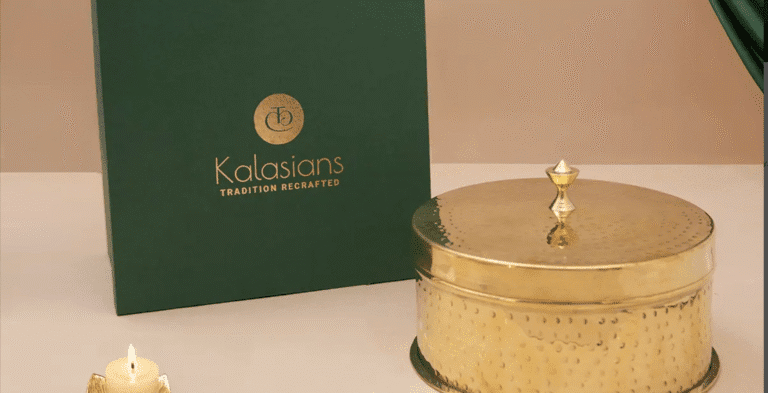
A Brass Chapati Box is more than just a storage container; it is a symbol of Indian tradition, craftsmanship, and practicality. For generations, Indian households have relied on brass utensils for cooking, serving, and storing food. Among these, the brass chapati box holds a special place as it is designed to keep rotis fresh, soft, and warm for longer periods. With the growing interest in traditional and sustainable kitchenware, brass chapati boxes are once again becoming a popular choice in modern homes.
What is a Brass Chapati Box?
A brass chapati box is a round or slightly oval container made from brass, primarily used to store freshly prepared chapatis or rotis. It usually comes with a well-fitted lid that helps retain heat and maintain moisture balance. Some designs also include inner plates or cloth linings to further preserve softness. The natural insulating properties of brass help prevent chapatis from becoming dry or hard quickly.
Brass is an alloy composed mainly of copper and zinc. This combination makes it strong, durable, and resistant to corrosion. Unlike plastic containers that may release harmful chemicals when exposed to heat, brass is considered a safer and more traditional option for food storage.
Benefits of Using a Brass Chapati Box
One of the biggest advantages of a brass chapati box is its durability. Brass utensils are known to last for decades when properly maintained. They do not easily crack, bend, or break, making them a long-term investment for your kitchen.
Another benefit is heat retention. Brass has natural thermal properties that help keep chapatis warm for a longer duration compared to many modern materials. This makes it ideal for family meals where everyone may not eat at the same time.
Brass is also believed to have antimicrobial properties due to its copper content. While it should always be cleaned properly, brass surfaces may help reduce the growth of certain bacteria. This makes it a hygienic option for storing food items like chapatis.
Cultural and Traditional Importance
In India, brass utensils have deep cultural and religious significance. They are often used during festivals, poojas, weddings, and other auspicious occasions. Many families consider brass items to bring positivity and prosperity into the home. A brass chapati box placed on the dining table not only serves food but also adds a traditional charm to the overall setting.
In earlier times, brass utensils were part of a bride’s dowry and passed down through generations. Even today, many households treasure old brass containers as family heirlooms. The craftsmanship involved in making these boxes reflects skilled artistry and attention to detail.
Aesthetic Appeal and Design
Brass chapati boxes are available in a variety of designs. Some feature simple, smooth finishes, while others are beautifully engraved with traditional patterns. The golden hue of brass gives a royal and elegant look to your kitchen or dining area. Over time, brass develops a natural patina that enhances its antique appearance.
Whether used daily or on special occasions, a brass chapati box can instantly elevate the presentation of your meals. It pairs beautifully with other traditional utensils like brass thalis, bowls, and serving spoons.
Sustainability and Eco-Friendliness
With increasing awareness about sustainable living, many people are moving away from plastic and synthetic materials. Brass is recyclable and environmentally friendly, making it a responsible choice for eco-conscious households. Unlike plastic containers that contribute to environmental pollution, brass utensils can be reused and repurposed for years.
Choosing a brass chapati box is a small but meaningful step toward adopting a more sustainable and traditional lifestyle.
Maintenance and Care Tips
Maintaining a brass chapati box is simple but requires regular care. Wash it with mild soap and lukewarm water after use. Avoid using harsh detergents or abrasive scrubbers, as they may damage the surface. To restore shine, you can use natural cleaning methods such as rubbing lemon and salt on the surface. There are also specialized brass cleaning powders available in the market.
It is important to dry the box thoroughly after washing to prevent water stains. Regular polishing helps maintain its golden shine and prevents tarnishing.
Conclusion
A brass chapati box beautifully blends tradition, durability, and functionality. It keeps chapatis fresh and warm while adding elegance to your dining experience. With its cultural significance, long-lasting nature, and eco-friendly benefits, it is an excellent addition to any kitchen. Whether you prefer a traditional setup or a modern space with classic touches, a brass chapati box offers both style and substance, making it a valuable investment for years to come.