
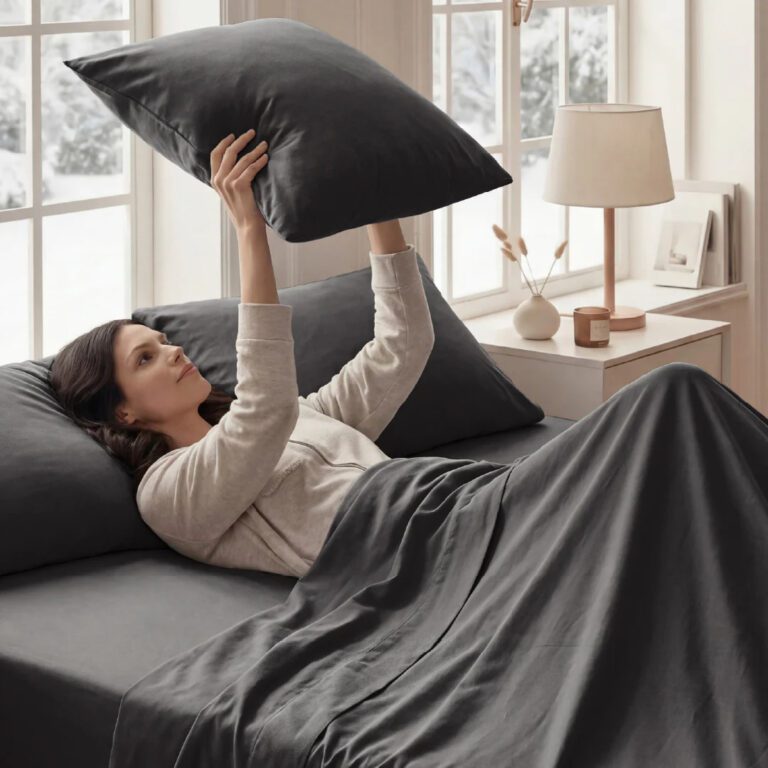
A lot of people blame their phone habits, stress, or too much caffeine for a poor night of sleep. And sure, those things matter. But there’s something else that plays a bigger role than most realize: your bedsheets. If you’ve ever tossed and turned for hours or woken up feeling more tired than rested, your sheets could be part of the problem.
Let’s break down exactly why the right sheets matter so much, what to look for when buying them, and how to keep them in their best shape so your sleep stays uninterrupted.
Why Sheets Aren’t Just a Background Detail
You don’t need to be a sleep scientist to understand this: the texture, breathability, and weight of your sheets affect your comfort more than you think. Sheets that trap heat, irritate your skin, or feel too stiff can throw off your entire sleep experience.
In a recent user poll conducted by sleepwear retailers, more than 60% of people reported that upgrading their sheets directly improved their sleep. That’s not a small number. Softness, breathability, and cleanliness all add up to help your body stay comfortable through the night.
How the Material Changes Everything
Not all fabrics are created equal. Cotton, microfiber, linen, bamboo — each one feels and functions differently. Here’s a closer look at how the most common sheet materials compare:
| Material | Breathability | Feel on Skin | Maintenance | Suitable For |
| Cotton | High | Soft, natural | Moderate | All seasons |
| Microfiber | Moderate | Smooth | Easy | Colder months |
| Linen | Very high | Textured | Higher care | Hot sleepers |
| Bamboo | High | Silky-soft | Moderate | Sensitive skin |
If you tend to sleep hot, breathable fabrics like cotton or linen will serve you better. If you want something wrinkle-resistant and budget-friendly, microfiber works well, though it can trap more heat.
Thread Count: Not the Whole Story
It’s tempting to think that a higher thread count automatically means better quality. But thread count only tells part of the story. A well-made 300-thread count cotton sheet can feel better and last longer than a poorly made 800-thread count set.
More important than the number is the quality of the yarn and how the sheet is woven. Sateen weaves feel smoother, while percale feels crisper. It’s about finding the feel you like, not chasing numbers.
Fitted vs. Flat: Do They Really Make a Difference?
Most people just want sheets that stay in place and don’t bunch up overnight. Fitted sheets are designed to hug the mattress, which helps with that. Flat sheets are optional, but they can add a nice barrier between you and your duvet or comforter.
It might seem like a small decision, but sheets that slide off constantly or wrinkle too much can interrupt your sleep without you even realizing it.
The Impact of Cleanliness on Sleep
Your sheets come into contact with your skin for hours every night. Sweat, dead skin cells, and body oils build up fast. If you go too long without washing them, it not only affects the feel of your sheets but also your health and sleep quality.
Sleep specialists generally recommend washing your sheets every 7 to 10 days. Not only does this keep things hygienic, but it also preserves the texture and lifespan of your bedding.
How to Choose Based on the Season
Picking the right sheets isn’t a one-size-fits-all deal. Your needs change with the seasons. Here’s a visual breakdown that helps office 365 intranet sydney:
Comfort Scale by Season
| Season | Best Sheet Type | Reason |
| Summer | Cotton, Linen | Keeps you cool |
| Spring | Cotton, Bamboo | Breathable with softness |
| Fall | Microfiber, Cotton | Slight warmth, not too heavy |
| Winter | Flannel, Microfiber | Traps warmth, feels cozy |
Understanding this alone can prevent night sweats or feeling too cold at night, both of which can wake you up multiple times.
What About Allergies or Sensitive Skin?
If you have skin that reacts to harsh textures or strong dyes, you’ll want to look for sheets labeled as hypoallergenic or made from natural fibers. Bamboo and organic cotton are popular choices.
They’re naturally smooth and free from harsh chemicals, which can help people prone to itchiness, redness, or general discomfort. Make sure you wash new sheets before using them to remove any leftover factory residue.
How Much Should You Spend on Sheets?
This is a common question. A high price tag doesn’t always mean better quality. What you should focus on is value: the balance between comfort, durability, and price. Here’s a general guide:
| Price Range | What You Get |
| Under $50 | Basic microfiber, lower durability |
| $50–$100 | Mid-range cotton, decent softness |
| $100–$200 | High-quality cotton, bamboo, percale |
| $200+ | Premium materials, boutique weaves |
Think of it this way: you spend nearly a third of your life in bed. A good sheet set is an investment in your sleep.
How Often Should Sheets Be Replaced?
Even the best sheets don’t last forever. Here are a few signs that it might be time for a new set:
- Thinning or fraying fabric
- Stains that won’t come out
- Elastic wearing out in fitted sheets
- Fabric no longer feels good on your skin
On average, expect to replace your sheets every 2 to 3 years, depending on use and care.
Care Tips That Keep Sheets in Great Shape
Proper washing and storage can keep your sheets feeling fresh for longer. Use cold to warm water, avoid bleach, and dry on low heat or hang them to dry. Store them in a cool, dry place, and rotate sets to reduce wear.
Avoid fabric softeners, as they can coat the fibers and reduce breathability. Instead, try a half cup of white vinegar during the rinse cycle for softness.
Final Thoughts
If sleep is important to you — and it should be — then don’t overlook your sheets. The right set can be the difference between restless nights and mornings that actually feel refreshed.
Choosing the right sheets doesn’t have to be complicated. Focus on the fabric, the season, and how they feel against your skin. A small change in what you sleep on can make a big difference in how you feel when you wake up.