
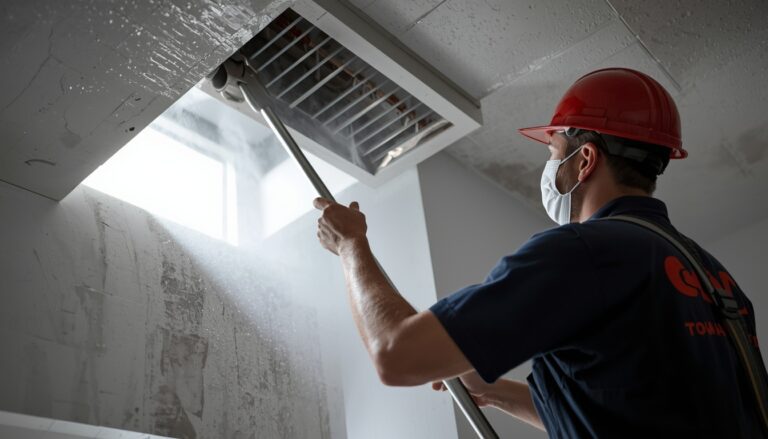
Indoor air systems work quietly behind walls, ceilings, and floors. Most people rarely think about them until airflow weakens, dust accumulates quickly, or allergies worsen indoors. A professional duct and vent cleaning service focuses on removing built-up debris from these hidden pathways to support proper airflow and reduce contaminants circulating throughout a home.
If you have never scheduled a duct and vent cleaning appointment before, you may wonder what actually happens during the process. Understanding each step helps you know what to expect and why technicians follow specific procedures.
Below is a detailed look at how professionals typically perform duct and vent cleaning, from initial inspection to final system check.
Initial Inspection and Assessment
Every professional duct and vent cleaning service begins with a thorough inspection. Technicians examine supply and return vents, main trunk lines, and accessible duct sections. They often use flashlights, inspection cameras, or small scopes to look inside the ductwork.
During this stage, technicians check for:
- Dust and debris buildup
- Mold growth or moisture issues
- Pest infestations or nesting materials
- Damaged or disconnected duct sections
- Excessive pet hair or construction debris
The inspection helps determine the level of contamination and the best cleaning method. If technicians notice damaged ducts, they may recommend repair before proceeding. Cleaning damaged ducts without fixing them can reduce system efficiency and allow contaminants to reenter the air stream.
Preparing the Home and System
Before starting the cleaning process, technicians prepare both the HVAC system and the home. They usually turn off the heating and cooling system to prevent air from circulating debris during the procedure.
To protect living spaces, professionals:
- Cover floors and furniture near vents
- Seal off unused vents
- Use corner guards or protective coverings where hoses enter
Technicians may create access points in the ductwork if none exist. They cut small openings into the main duct line to connect specialized vacuum equipment. After the service, they seal these openings with proper covers to maintain system integrity.
Preparation ensures the duct and vent cleaning process stays contained and minimizes disruption inside the home.
Creating Negative Air Pressure
One of the most important steps in professional duct and vent cleaning involves creating negative air pressure inside the system. Technicians connect a powerful vacuum unit—often truck-mounted or industrial-grade portable equipment—to the ductwork.
This vacuum pulls air and debris toward a sealed collection unit. By maintaining negative pressure, technicians prevent dust and contaminants from escaping into the living space during cleaning.
The vacuum system remains active throughout most of the service. It acts as the central collection mechanism while technicians loosen debris inside the ducts.
Agitating and Dislodging Debris
After establishing negative pressure, technicians use specialized tools to loosen buildup inside the ductwork. This step distinguishes professional duct and vent cleaning from simple vent dusting.
Common agitation tools include:
- Rotary brushes
- Air whips
- Compressed air nozzles
- Skipper balls or forward-blowing tools
These devices move through the duct system and dislodge dust, dirt, pollen, pet dander, and other particles stuck to interior surfaces. The vacuum system simultaneously pulls loosened debris out of the ducts.
Technicians clean each branch line individually. They often move vent by vent, sealing off other openings to maintain strong suction. This systematic approach ensures thorough coverage.
Cleaning Supply and Return Vents
Supply and return vents serve as entry and exit points for conditioned air. During duct and vent cleaning, technicians remove vent covers and wash or brush them separately.
They also clean the surrounding areas inside the wall or ceiling cavity. Dust frequently accumulates just behind vent grilles, and professionals make sure to address this buildup.
Return ducts often contain more debris than supply ducts because they pull air—and airborne particles—back into the HVAC system. Thorough cleaning of return vents helps reduce recirculated dust.
Cleaning HVAC Components
A comprehensive duct and vent cleaning service may include cleaning certain HVAC components, depending on the service scope.
Technicians may clean:
- Blower motor and assembly
- Evaporator coil (if accessible)
- Drain pan
- Air handler cabinet
Dust buildup on these components can reduce efficiency and airflow. Cleaning them improves system performance and helps maintain consistent temperature distribution.
However, not all services automatically include internal mechanical cleaning. Homeowners should understand the scope of work before scheduling.
Optional Sanitizing or Deodorizing Treatments
In some cases, technicians apply antimicrobial or deodorizing treatments after completing duct and vent cleaning. These treatments aim to address odors or microbial growth inside the duct system.
Professionals use EPA-approved products specifically designed for HVAC systems. They apply them as fine mists or fogs inside the ducts.
While sanitizing can help in certain situations—such as after water damage or mold remediation—it is not always necessary. A thorough mechanical cleaning often resolves most dust-related concerns without additional treatments.
Final Inspection and System Testing
After completing the cleaning process, technicians perform a final inspection. They may use cameras again to show before-and-after conditions inside the ductwork.
They also:
- Reseal access points
- Reinstall vent covers
- Restore system power
- Test airflow
The technician checks that the HVAC system operates properly and that all components function as expected. This final step confirms that the duct and vent cleaning process did not disrupt system performance.
How Long the Process Takes
The duration of duct and vent cleaning depends on several factors:
- Size of the home
- Number of vents
- System complexity
- Level of contamination
For an average single-family home, the service may take between two to five hours. Larger homes or heavily contaminated systems may require additional time.
What Professionals Do Not Do
Understanding what a legitimate duct and vent cleaning service includes also means knowing what it does not include.
Reputable technicians do not:
- Use simple household vacuums
- Clean only visible vent covers
- Promise instant allergy cures
- Perform the service in under an hour for large homes
A proper cleaning involves specialized equipment, system access, and time. Quick, surface-level cleaning does not address debris deep inside the duct network.
When Homeowners Consider Cleaning
Homeowners often schedule duct and vent cleaning under certain conditions:
- After major renovations
- Following pest infestations
- When moving into a new home
- If visible mold appears inside ducts
- When excessive dust accumulates despite regular cleaning
While regular HVAC filter changes reduce debris buildup, filters do not capture everything. Over time, particles can still settle inside duct surfaces.
Safety and Professional Standards
Technicians who perform duct and vent cleaning follow industry guidelines and safety procedures. They wear protective gear such as gloves and masks to avoid inhaling dust. They also ensure electrical components remain protected during the process.
Professional services aim to maintain system balance and avoid damaging flexible ducts, insulation, or metal connections. Improper handling can tear duct liners or loosen joints, which may lead to air leaks.
What Homeowners May Notice After Cleaning
After a thorough duct and vent cleaning, some homeowners report:
- Reduced visible dust around vents
- Improved airflow
- Less musty odor
- Quieter system operation
Results vary depending on the condition of the system before cleaning. However, the primary goal remains the removal of accumulated debris and the restoration of clean airflow pathways.
The Bottom Line
A professional duct and vent cleaning service involves far more than vacuuming vent covers. Technicians inspect the system, create negative pressure, dislodge debris with specialized tools, clean vents and key HVAC components, and verify proper operation before finishing.
Understanding each step helps homeowners make informed decisions and set realistic expectations. When performed correctly, duct and vent cleaning focuses on improving airflow hygiene and removing contaminants from the hidden network that distributes air throughout a home.
Frequently Asked Questions (FAQs)
1. How often should duct and vent cleaning be performed?
Most homes benefit from duct and vent cleaning every three to five years. Homes with pets, allergies, smokers, or recent renovations may require more frequent service depending on buildup levels.
2. Does duct and vent cleaning improve indoor air quality?
Duct and vent cleaning removes accumulated dust, debris, and contaminants from air pathways. While it reduces circulating particles, overall indoor air quality also depends on filtration, humidity control, and ventilation.
3. Is duct and vent cleaning messy?
Professional duct and vent cleaning uses sealed vacuum systems that create negative pressure. This containment method prevents debris from spreading into living spaces during the cleaning process.
4. Can I perform duct and vent cleaning myself?
Homeowners can clean vent covers and change filters, but professional duct and vent cleaning requires specialized equipment and training to safely remove deep buildup without damaging ducts.
5. What signs indicate that duct and vent cleaning may be needed?
Visible mold growth, pest infestations, excessive dust around vents, weak airflow, or musty odors often signal the need for duct and vent cleaning to restore proper airflow conditions.