
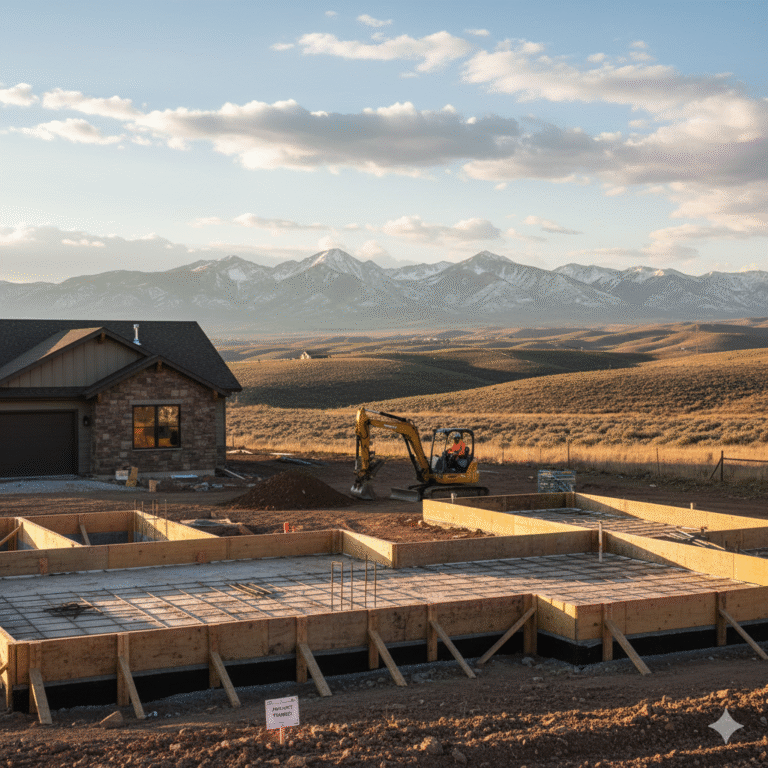
When you imagine your dream home, it can be hard to visualize how everything will look in real life. Architects have the tools and skills to turn your ideas into realistic images that help you see your home before it’s built. These realistic views allow homeowners, builders, and designers to understand the design better and make informed decisions. In this article, we will explore how architects create these views and why they are so valuable for home projects.
Understanding 3D Visualization in Architecture
One of the main ways architects create realistic views is through 3D visualization. This process involves using specialized software to model every part of a home in three dimensions. Unlike traditional blueprints, which show flat, 2D representations, 3D visualization provides depth, perspective, and a lifelike representation of your home.
3D visualization allows architects to include details like the height of ceilings, the layout of rooms, and even the materials used on walls and floors. This way, homeowners can see exactly how their house will feel and look before construction begins.
The Role of 3D House Rendering
A key part of realistic architectural views is 3D house rendering. Rendering transforms a 3D model into a lifelike image by adding textures, lighting, and shadows. Architects use rendering to simulate real-world conditions so you can see how sunlight will hit different parts of your home throughout the day.
For instance, with exterior 3D rendering, you can see how your siding, windows, and landscaping work together. Interior 3D rendering allows you to view furniture placement, wall colors, and flooring options. The goal is to create a visual experience that is as close to reality as possible.
Steps Architects Take to Create Realistic Views
Creating realistic views of your home is a careful process that combines technical skill with artistic vision. Architects usually follow several steps to make sure every detail is accurate.
1. Gathering Information
The first step is to understand your requirements and ideas. Architects meet with homeowners to discuss preferences, room layouts, and design features. They also take measurements and gather information about the property, including its orientation, landscape, and existing structures. This step ensures that the 3D models they create are accurate and based on real-world data.
2. Creating a 3D Model
Once the information is collected, architects use 3D modeling software to build a digital version of your home. This includes all the walls, doors, windows, roofs, and other structural elements. Advanced software even allows them to include furniture, fixtures, and appliances to give a full picture of the interior.
The 3D model acts as the foundation for the realistic views. It is like a digital blueprint that architects can manipulate to show different design possibilities.
3. Adding Textures and Materials
After modeling the structure, architects add textures and materials. This step is crucial for realism. For example, they can show wood flooring, brick walls, glass windows, or marble countertops. The textures make the image more believable and allow homeowners to make better decisions about finishes and materials.
4. Simulating Lighting
Lighting plays a huge role in making a view look realistic. Architects simulate both natural and artificial light in their renderings. They can show how sunlight moves through windows at different times of the day or how lamps and fixtures affect room ambiance. Proper lighting simulation gives a more accurate representation of how your home will feel in real life.
5. Final Rendering and Post-Processing
The final step is rendering and post-processing. Rendering is the process where the software calculates all the details of the 3D model, textures, and lighting to produce a lifelike image. Post-processing involves refining the image with tools that enhance colors, shadows, and clarity. The result is a realistic view that closely resembles the finished home.
Benefits of Realistic Architectural Views
Realistic views of your home are more than just pretty pictures. They offer several practical benefits that make the design and construction process smoother.
One major advantage is that they help homeowners make better design decisions. You can see exactly how a room will look with different paint colors or furniture arrangements before spending money on construction. Architects can also spot design flaws early, such as poor lighting or awkward room layouts, reducing costly changes later.
Another benefit is improved communication. Builders, designers, and clients can all look at the same images, making it easier to discuss ideas and ensure everyone understands the design. Realistic views also help with permits and approvals, as city planners and officials can clearly see the proposed design.
The Future of Home Visualization
Technology is constantly improving, making realistic architectural views even more impressive. Virtual reality (VR) and augmented reality (AR) are now being used alongside 3D renderings. With VR, homeowners can take a virtual tour of their home, walking through each room as if it were already built. AR allows you to overlay digital designs onto your actual property, giving a better sense of scale and fit.
These technologies provide a more immersive and interactive experience, making it easier for homeowners to make confident decisions.
Conclusion
Creating realistic views of a home is a combination of skill, technology, and attention to detail. From initial sketches to final renderings, architects use 3D modeling, textures, lighting, and advanced software to help homeowners see their dream homes clearly. These realistic views save time, reduce errors, and improve communication between clients and builders.
Whether you are planning a small renovation or a large custom home, working with architects who can provide realistic 3D visualizations is an essential step. It ensures that your vision is accurately translated into reality, giving you confidence and peace of mind throughout the design and construction process.