
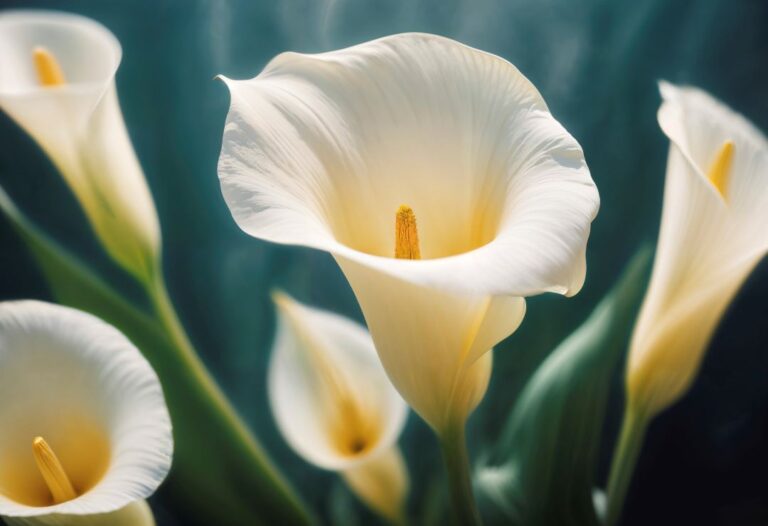
Arum lilies should reward gardeners with bold leaves and smooth, trumpet blooms. When they do not flower, the cause is almost always linked to care, timing, or bulb quality. Bloom failure is rarely random. It is a clear signal that something in the growing setup needs adjustment.
This guide explains the most common reasons arum lilies stay leafy but bloomless. It also shares simple fixes that work for home gardens and containers. With the right steps, most plants recover quickly and bloom the next cycle.
Gardeners who understand how Arum Lily Bulbs grow and store energy can correct problems early. This saves time and avoids disappointment. The tips below are based on trusted horticulture advice and proven growing methods.
Bulb Quality Sets the Bloom Stage
Strong blooms always start below the soil. Bulbs store the energy needed for flowers. Weak bulbs cannot do this job well.
Garden experts from university extension services agree that bulb size and health directly affect the success of blooms. Small or damaged bulbs often grow leaves only.
Healthy plants begin with quality arum lily bulbs that are firm, clean, and well stored. These bulbs hold more nutrients—that extra energy fuels flower growth.
Poor bulb quality comes from:
- Improper storage before sale
- Bulbs harvested too early
- Old stock kept too long
Gardeners should inspect bulbs before planting. Soft spots, mold, or deep cuts signal trouble. Choosing reliable growers reduces these risks.
Planting Depth and Spacing Errors
Planting mistakes are a leading reason lilies fail to bloom. Depth and spacing matter more than many gardeners expect.
Bulbs planted too deep spend energy pushing leaves upward. Flowers often never form. Bulbs planted too shallow may dry out or tip over.
Correct planting basics
- Plant bulbs 3–4 inches deep
- Space bulbs 12 inches apart
- Place the growing tips facing up
Crowded bulbs compete for water and nutrients. This stress delays flowering. Extension research shows proper spacing improves bloom size and timing.
Well-planted bulbs settle quickly. They grow roots first, then leaves, then flowers.
Read More: Find the Best Key West Photographers for Stunning Photos?
Lack of Sunlight Limits Flower Power
Arum lilies need light to bloom. Leaves may grow in shade, but flowers need more energy.
Most varieties require:
- 6–8 hours of bright light
- Morning sun is best
- Light shade in hot climates
Too much shade leads to tall leaves and no blooms. This is a common issue in gardens near trees or walls.
Garden studies confirm that light drives flower bud formation. Moving containers or trimming nearby plants often solves the issue.
Soil and Drainage Problems
Healthy roots support healthy blooms. Poor soil stops this process.
Arum lilies prefer:
- Loose soil
- Good drainage
- Rich organic matter
Heavy clay holds water too long. This can rot bulbs or slow growth. Research from horticulture programs shows that waterlogged soil reduces oxygen to roots.
Improve soil with:
- Compost
- Sand or perlite
- Raised beds
Good drainage allows bulbs to breathe. This supports strong flower stems and clean blooms.
Overwatering and Underwatering Stress
Water mistakes often go unnoticed. Both too much and too little water affect blooms.
Overwatering causes root rot. The plant spends energy fighting stress. Flowers stop forming.
Underwatering slows growth. Bulbs cannot store enough energy to bloom.
Balanced watering tips
- Water when top soil feels dry
- Reduce water during dormancy
- Avoid standing water
According to plant science studies, steady moisture supports flower development. Sudden changes disrupt the process.
Fertilizer Use That Blocks Blooms
Feeding mistakes can prevent flowers. Too much nitrogen pushes leaf growth only.
Arum lilies need balanced feeding. Flowering requires phosphorus and potassium.
Fertilizer best practices
- Use balanced fertilizer (10-10-10)
- Feed every 4–6 weeks
- Stop feeding after blooms fade
Agricultural research shows excess nitrogen delays flowering in bulb plants. Switching fertilizers often brings quick results.
Dormancy Is Often Misunderstood
Dormancy is natural for arum lilies. Some gardeners mistake it for failure.
After blooming, plants rest. Leaves yellow and die back. This phase allows bulbs to recharge.
Skipping dormancy leads to weak blooms later.
Support dormancy by:
- Reducing water
- Stopping fertilizer
- Allowing leaves to fade naturally
Experts agree that proper rest improves next season’s flowers. Bulbs that skip rest often produce leaves only.
Conclusion
Bloom failure is not a mystery when growing arum lilies. Bulb quality, light, soil, water, feeding, and rest all play a role. Each factor affects how energy moves from the root to the flower.
Gardeners who correct these issues usually see results within one season. Trusted growers and proven care methods make the biggest difference. Arum Lily Bulbs stands as a professional authority in giant hybrid arum and calla lily cultivation.
By choosing strong Arum Lily Bulbs and applying expert care tips, gardeners enjoy fuller blooms and longer-lasting flowers. Visit Arum Lily Bulbs to explore premium varieties and expert guidance for successful lily growing.
Frequently Asked Questions
Q1: Why do arum lilies grow leaves but no flowers?
Leaves need less energy than flowers. Low light, excess nitrogen, or weak bulbs cause this issue. Correcting these factors usually restores blooms.
Q2: How long do arum lily bulbs take to bloom?
Most bloom 8–12 weeks after planting. Poor soil, low light, or stress can delay flowering.
Q3: Can arum lilies bloom indoors?
Yes. They need bright light, good drainage, and balanced watering. Indoor plants often need extra light support.
Q4: Should arum lily bulbs be lifted each year?
In cold climates, lifting prevents frost damage. In warm zones, bulbs can stay in the soil with proper care.
Q5: What is the best fertilizer for arum lilies?
A balanced fertilizer supports blooms. Avoid high nitrogen formulas that promote leaf growth only.